The Future of Indigenous Rights in the US: Key Legislative Battles and Community-Led Solutions for 2026
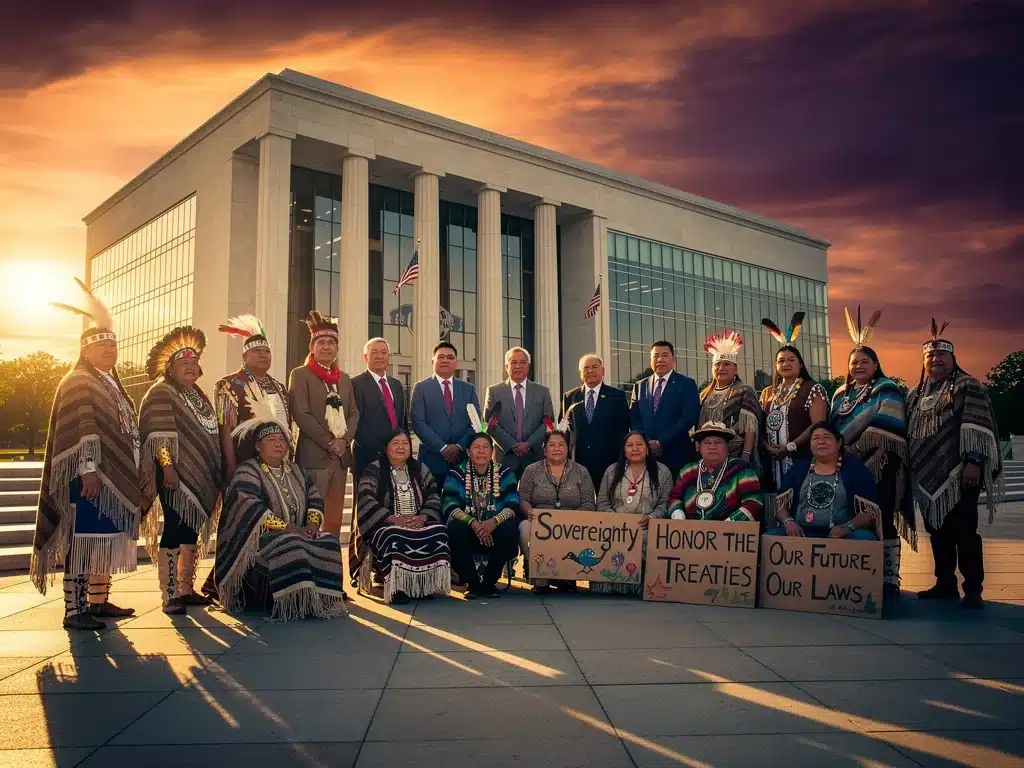
How do tribal sovereignty, environmental protection, and self-determination intersect in today’s political landscape? The ongoing evolution of Indigenous Rights in the US is facing critical turning points this year, driven by high-stakes policy debates and grassroots mobilization.
From Capitol Hill legal challenges over resource management to local land stewardship policies, Native American communities are actively defending their ancestral heritage. This shifting landscape is sparking vital conversations about autonomy, justice, and federal policy reform.
Understanding these structural shifts requires looking past the headlines to see how grassroots movements are creating real-world solutions. Here is a clear analysis of the defining legal confrontations, community victories, and what to monitor next.
Understanding the Landscape of Indigenous Rights in 2026
As 2026 approaches, the landscape of Indigenous Rights in the United States remains a complex tapestry of historical injustices, ongoing struggles, and burgeoning triumphs.
Advocacy groups, tribal nations, and legal experts are actively engaged in shaping legislative agendas that directly impact Indigenous communities nationwide.
The focus extends beyond mere recognition to tangible advancements in self-determination, land sovereignty, environmental protection, and cultural preservation.
These efforts are critical for addressing systemic inequities and fostering a more equitable future for all Indigenous peoples in the US.
Key legislative battles are currently underway, and community-led solutions are gaining significant traction, demonstrating a powerful push for change from the ground up. This dynamic interplay between policy and grassroots action defines Indigenous Rights in the US 2026.
Legislative Priorities and Congressional Outlook
The upcoming legislative sessions are poised to address several critical issues for Indigenous communities, with bills focusing on land back initiatives, water rights, and improved healthcare access.
Advocates are working tirelessly to ensure these priorities receive the attention and funding that they critically need.
Congressional committees are reviewing proposals that aim to strengthen tribal sovereignty and reduce federal overreach, marking a potential shift in the historical power dynamics. The outcome of these legislative battles will significantly influence Indigenous Rights in the US 2026.
The political climate in Washington D.C. suggests a mixed bag of opportunities and challenges, with bipartisan support for some initiatives but significant resistance to others. Navigating this environment requires strategic advocacy and sustained pressure from Indigenous leaders and their allies.
Key Bills and Their Potential Impact
Several significant pieces of legislation are on the horizon, each carrying the potential to profoundly impact Indigenous communities.
These bills range from those seeking to restore ancestral lands to those addressing the crisis of missing and murdered Indigenous women and girls (MMIWG).
- Land Back Initiatives: Legislation aimed at returning federal lands to tribal nations, rectifying historical dispossession and enhancing tribal economic development.
- Water Rights Settlements: Bills designed to finalize long-standing water rights disputes, ensuring equitable access to vital resources for Indigenous communities.
- Healthcare Parity: Proposals to improve funding and access to quality healthcare services within the Indian Health Service (IHS) and tribal health programs.
The passage of these bills would represent monumental victories, while their failure could set back progress for years. The stakes are incredibly high for Indigenous Rights in the US 2026.
Community-Led Solutions: A Paradigm Shift
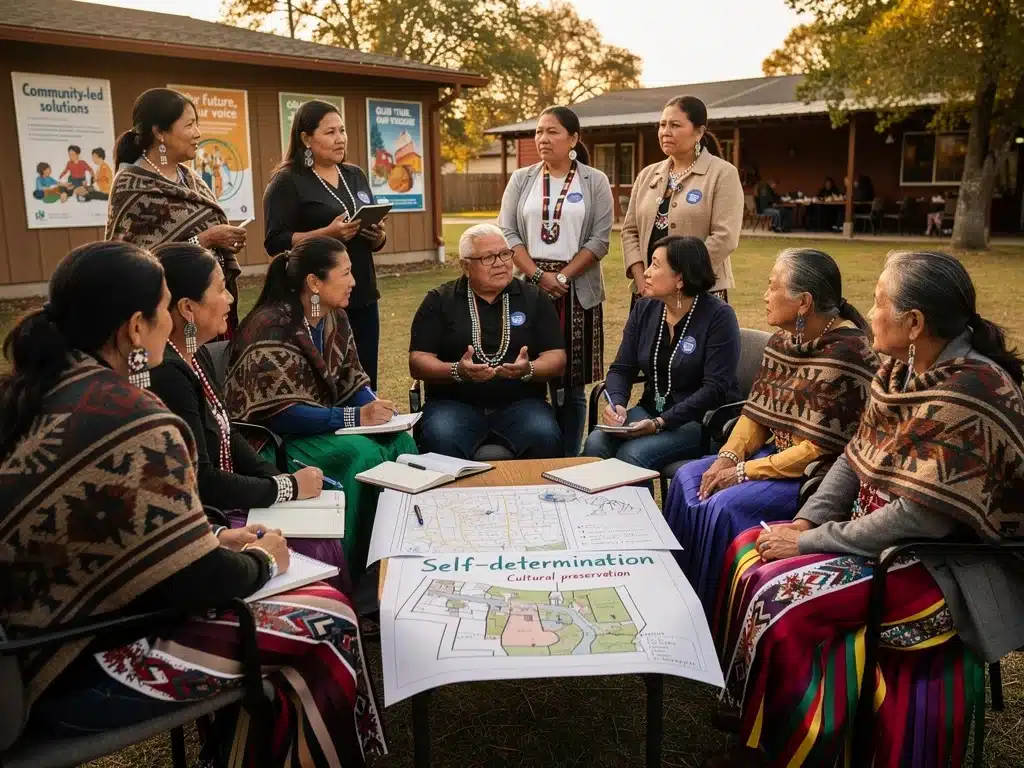
Beyond legislative halls, Indigenous communities are spearheading innovative solutions to address their own challenges, often drawing on traditional knowledge and practices. These grassroots efforts are proving to be powerful models for sustainable development and cultural revitalization.
From tribal-led renewable energy projects to Indigenous language immersion schools, these initiatives demonstrate a profound commitment to self-determination and resilience. They highlight the importance of local control in shaping The Future of Indigenous Rights in the US.
These community-led approaches are not only effective but also serve as powerful examples of sovereignty in action, inspiring similar efforts across the nation. They are a testament to the enduring strength and creativity of Indigenous peoples.
Successful Grassroots Initiatives
Across the United States, numerous Indigenous communities are implementing successful programs that address critical needs. These initiatives often blend modern techniques with traditional wisdom, creating unique and effective solutions.
- Food Sovereignty Projects: Tribal farms and community gardens are revitalizing traditional food systems, ensuring access to healthy, culturally appropriate foods and promoting economic independence.
- Environmental Stewardship: Indigenous guardians are leading efforts in conservation, land management, and climate change adaptation, protecting sacred sites and vital ecosystems.
- Cultural Revitalization Programs: Language nests, traditional arts workshops, and cultural centers are working to preserve and transmit Indigenous languages and cultural practices to younger generations.
These examples underscore the vital role that community autonomy plays in advancing Indigenous Rights in US 2026, proving that solutions are often best crafted by those directly affected.
Challenges and Obstacles on the Path Forward
Despite significant progress, Indigenous communities still face substantial challenges, including ongoing jurisdictional disputes, inadequate funding for tribal programs, and persistent systemic racism. These obstacles often impede the full realization of Indigenous rights.
The battle against resource extraction projects on sacred lands continues, with Indigenous activists often at the forefront of environmental protection movements.
These conflicts highlight the ongoing struggle for land and resource sovereignty, a central theme for Indigenous Rights in the US 2026.
Furthermore, the legacy of historical trauma and its contemporary impacts on health, education, and economic development remain pervasive. Addressing these deeply rooted issues requires sustained commitment and comprehensive policy changes.
Overcoming Systemic Barriers
Overcoming systemic barriers requires a multi-faceted approach that includes legal challenges, policy reform, and public education. Indigenous leaders are employing all these strategies to dismantle discriminatory practices and institutions.
Legal challenges to unjust land seizures and treaty violations are ongoing, with some cases reaching the Supreme Court and setting precedents for future disputes. These legal battles are crucial for defining The Future of Indigenous Rights in the US.
Advocates are also pushing for greater representation of Indigenous voices in governmental bodies and decision-making processes, ensuring that policies are informed by the lived experiences and expertise of tribal nations. This representation is vital for equitable outcomes.
The Role of Federal Agencies and Intergovernmental Relations
Federal agencies, particularly the Bureau of Indian Affairs (BIA) and the Indian Health Service (IHS), play a crucial role in implementing policies and programs that affect Indigenous communities. Their effectiveness is often a subject of intense scrutiny and debate.
Intergovernmental relations between tribal nations and federal, state, and local governments are constantly evolving, with increasing calls for true nation-to-nation engagement. This shift is essential for respecting tribal sovereignty and advancing Indigenous Rights in the US 2026.
Improved coordination and collaboration are necessary to address complex issues like public safety, resource management, and economic development. The quality of these relationships directly impacts the well-being and self-determination of Indigenous peoples.
Enhancing Tribal-Federal Partnerships
Efforts are being made to strengthen tribal-federal partnerships, moving away from a paternalistic model towards one of mutual respect and shared governance. This includes direct consultations on policies affecting tribal lands and resources.
Training programs for federal employees on tribal sovereignty and cultural competency are also becoming more prevalent, aiming to foster a better understanding and more effective working relationships. These initiatives are foundational for The Future of Indigenous Rights in the US.
The success of these partnerships hinges on consistent communication, transparent processes, and a genuine commitment to upholding treaty obligations and trust responsibilities. Without these, progress can be slow and fraught with tension.
International Perspectives and Indigenous Rights
The push for Indigenous rights in the US is not isolated but part of a larger global movement, influenced by international human rights frameworks and the advocacy of Indigenous peoples worldwide. Global solidarity plays a significant role in empowering local struggles.
The United Nations Declaration on the Rights of Indigenous Peoples (UNDRIP) serves as a guiding document, even though it is not legally binding in the US, influencing policy debates and advocacy efforts. Its principles are frequently cited in discussions about Indigenous Rights in US 2026.
Cross-border collaboration among Indigenous nations also strengthens advocacy, allowing for shared strategies and a unified voice on issues like environmental protection and cultural heritage. This international dimension adds weight to domestic efforts.
Economic Empowerment and Self-Sufficiency
Economic empowerment is a cornerstone of self-determination for Indigenous communities, enabling them to build sustainable futures on their own terms. This includes developing tribal enterprises, securing federal contracts, and fostering local entrepreneurship.
Diversifying tribal economies beyond gaming, to areas such as renewable energy, tourism, and technology, is a key focus. These efforts aim to create jobs, generate revenue, and reduce reliance on federal funding, which is crucial for Indigenous Rights in US 2026.
Access to capital, business development support, and infrastructure improvements are vital components of this economic growth strategy. Without these, even the most promising ventures can struggle to take root and flourish.
Looking Ahead: Key Milestones and Future Outlook
The year 2026 will undoubtedly bring significant milestones in the ongoing journey for Indigenous rights, with several legislative deadlines and judicial rulings expected. These events will shape the immediate and long-term future of Indigenous communities.
Continued advocacy and public awareness campaigns will be crucial in maintaining momentum and ensuring that Indigenous voices are heard in policy debates. The future of Indigenous Rights in US 2026 depends heavily on sustained engagement.
The collective efforts of tribal nations, advocates, and allies offer a hopeful outlook for increased recognition, respect, and justice for Indigenous peoples across the United States. The path is long, but progress is being made.
| Key Focus | Brief Description |
|---|---|
| Legislative Battles | Ongoing efforts to pass bills on land, water rights, and healthcare affecting Indigenous communities. |
| Community Solutions | Grassroots initiatives driving self-determination, cultural preservation, and economic development. |
| Sovereignty & Self-Determination | Central tenets guiding all efforts for Indigenous rights, from policy to local action. |
| 2026 Outlook | Anticipated legislative milestones, judicial rulings, and continued advocacy shaping the future. |
Frequently Asked Questions About Indigenous Rights in the US
Primary legislative goals for 2026 include advancing land back initiatives, securing water rights, enhancing tribal healthcare funding, and addressing the crisis of Missing and Murdered Indigenous Women and Girls (MMIWG). These efforts aim to bolster tribal sovereignty and improve community well-being.
Community-led solutions are vital as they empower Indigenous peoples to address their own challenges using traditional knowledge and local expertise. Initiatives like food sovereignty, environmental stewardship, and language revitalization foster self-determination and cultural resilience from within the communities.
The federal government, through agencies like the BIA and IHS, has a trust responsibility to tribal nations. Its role involves upholding treaties, providing essential services, and engaging in nation-to-nation consultations to ensure policies respect tribal sovereignty and self-governance, impacting Indigenous Rights US 2026 significantly.
Major challenges include persistent jurisdictional disputes, insufficient federal funding for tribal programs, and systemic racism. Additionally, conflicts over resource extraction on sacred lands and the legacy of historical trauma continue to impede progress for Indigenous communities.
Individuals can support Indigenous rights by educating themselves on tribal sovereignty, advocating for relevant legislation, supporting Indigenous-led organizations, and respecting Indigenous cultures and traditions. Participating in public awareness campaigns also helps amplify Indigenous voices and concerns.
Looking Ahead
The trajectory for The Future of Indigenous Rights in the US is marked by both persistent challenges and inspiring progress. The synergy between legislative efforts and robust community-led solutions will be paramount in advancing justice and sovereignty.
What happens now will largely determine the landscape for Indigenous communities for years to come, emphasizing the need for continued vigilance and advocacy.