Environmental Justice in 2026: Comparing the Impact of Federal vs. State-Level Initiatives on Underserved Communities
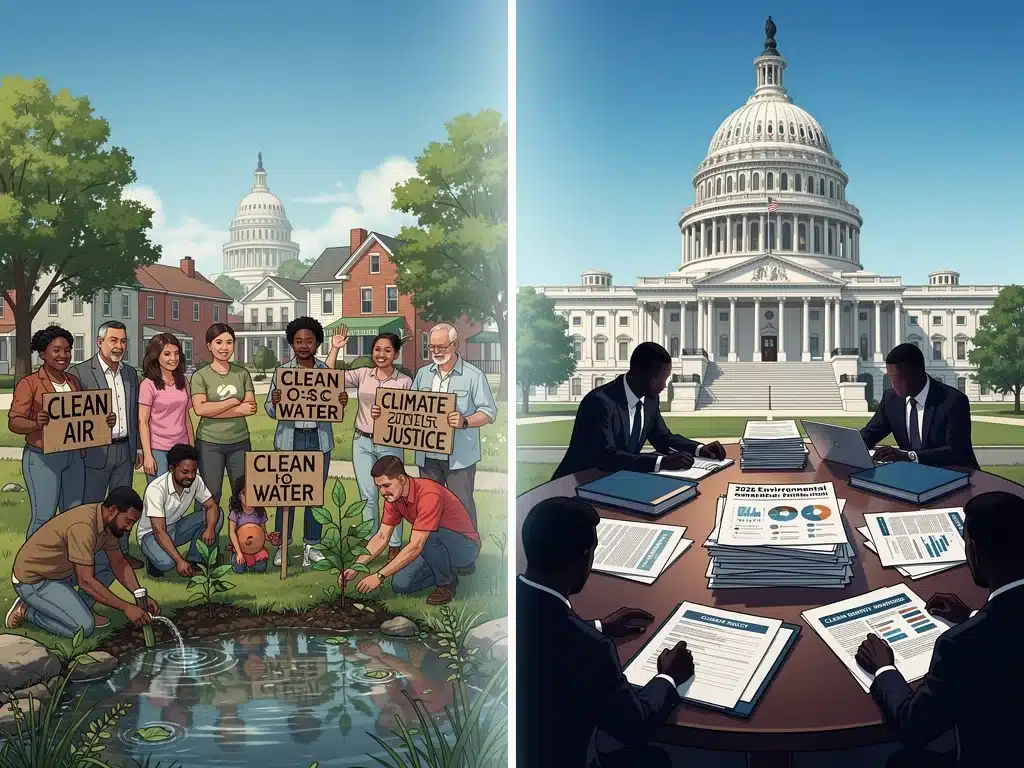
While corporate headlines focus on macro climate numbers, the real battle for frontline communities is playing out right in their own backyards. Tracking Environmental Justice in 2026 requires looking past broad federal promises to see how localized policies actually affect marginalized neighborhoods.
This dynamic policy landscape reveals a stark contrast between nationwide mandates and aggressive local agency actions.
While centralized frameworks set sweeping goals, specific state-level regulations often determine which vulnerable areas receive immediate protection from pollution and which get left behind.
Understanding who holds the actual regulatory power is crucial for anyone fighting for ecological equality today. This analysis cuts through the bureaucratic noise to show you how shifting legal jurisdictions directly impact environmental health equity and community-driven advocacy.
The Evolving Landscape of Environmental Justice in 2026
The year 2026 marks a critical juncture for environmental justice, as both federal and state governments continue to roll out and refine policies aimed at addressing environmental inequities.
These initiatives seek to rectify historical injustices where marginalized communities have disproportionately borne the brunt of pollution and environmental degradation.
Understanding the interplay between these two levels of governance is crucial for assessing their effectiveness and identifying the pathways to genuine environmental equity.
The complexities of implementation, funding, and community engagement often dictate the success or failure of these well-intentioned programs.
This comparison of federal versus state initiatives provides a vital snapshot of the current efforts and future challenges in achieving environmental justice across the nation, particularly for those communities most in need of protection.
Federal Initiatives: Broad Strokes and National Mandates
Federal efforts concerning Environmental Justice in 2026 typically involve sweeping policy directives, substantial funding allocations, and national-level enforcement mechanisms.
These initiatives aim to establish a baseline of protection and equity across all states, often focusing on areas like clean air, clean water, and hazardous waste remediation.
Key federal agencies, such as the Environmental Protection Agency (EPA) and the Department of Energy (DOE), play pivotal roles in conceptualizing and executing these nationwide strategies.
Their actions often set the tone and provide the framework within which state-level initiatives must operate, creating a cascading effect on local communities.
While federal policies offer broad protections and significant resources, their implementation can sometimes face challenges in tailoring solutions to the unique, localized needs of diverse underserved communities.
This tension between broad mandates and specific local contexts remains a central theme in the pursuit of environmental justice.
The Justice40 Initiative and Its Reach
The Justice40 Initiative, a cornerstone of federal environmental justice policy, mandates that 40% of the overall benefits from certain federal investments flow to disadvantaged communities.
This ambitious program covers areas like clean energy, climate change adaptation, clean transit, affordable and sustainable housing, and workforce development.
In 2026, the implementation of Justice40 is under intense scrutiny, with advocates monitoring whether these benefits are truly reaching the intended communities and making tangible improvements.
The sheer scale of federal investment means that its impact on Environmental Justice in 2026 could be transformative, provided equitable distribution and effective project selection.
- Targeted Investments: Directing funds to communities historically burdened by pollution and underinvestment.
- Benefit Tracking: Mechanisms in place to ensure and verify that 40% of benefits reach disadvantaged areas.
- Community Engagement: Emphasizing active participation of underserved communities in project selection and oversight.
Federal Enforcement and Regulatory Authority
Federal agencies wield significant regulatory and enforcement powers that are critical for upholding environmental standards and addressing violations that disproportionately affect vulnerable populations.
The EPA, for instance, has ramped up its enforcement actions in areas identified as environmental justice communities.
These federal actions often involve complex legal battles and require robust scientific data to establish causality and responsibility for environmental harms.
The ability of federal regulators to impose substantial penalties and compel remediation is a powerful tool in advancing Environmental Justice in 2026.
However, the effectiveness of federal enforcement can be influenced by political shifts, budgetary constraints, and the capacity of agencies to monitor and respond to countless local issues. The balance between deterrence and facilitating compliance is a constant challenge for federal oversight.
State-Level Initiatives: Tailored Approaches and Local Realities
State-level initiatives for Environmental Justice in 2026 often distinguish themselves through their capacity for localized, community-specific approaches.
States can enact laws, establish funding mechanisms, and create regulatory frameworks that are more directly responsive to the unique environmental challenges faced by their residents.
This localized focus allows for greater flexibility in addressing specific sources of pollution, developing targeted remediation plans, and fostering direct engagement with affected communities.
State environmental agencies and legislatures frequently collaborate with local governments and grassroots organizations to craft these bespoke solutions.
The variation in state-level commitment and capacity, however, leads to a patchwork of protections and progress across the nation, creating disparities in how effectively environmental justice is pursued from one state to another.
This uneven landscape is a significant factor in the overall advancement of environmental equity.
California’s Pioneering Environmental Justice Laws
California stands out as a leader in state-level environmental justice legislation, with comprehensive laws designed to protect communities from pollution.
The state’s efforts include identifying disadvantaged communities, integrating environmental justice into climate change policies, and providing grants for community-led projects.
These pioneering laws often serve as models for other states seeking to advance their own environmental justice agendas.
The long-standing commitment in California has led to significant policy innovations and a more integrated approach to environmental protection and social equity, influencing the broader discussion on Environmental Justice in 2026.
However, even with robust frameworks, challenges persist in ensuring full compliance and achieving measurable improvements in highly impacted areas.
The scale of historical pollution and ongoing industrial activity demands continuous vigilance and adaptation of state policies.
Community-Led Initiatives and State Partnerships
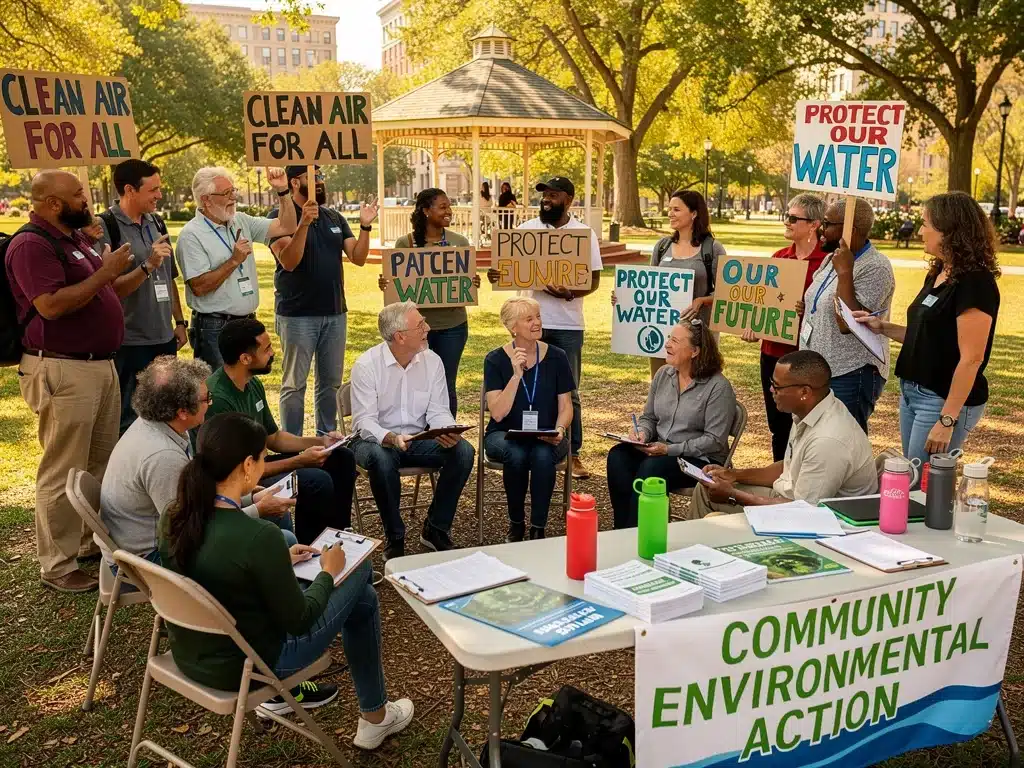
Many states are increasingly recognizing the importance of community-led initiatives, providing funding and technical assistance to local groups working on environmental justice issues.
These partnerships empower residents to drive solutions that are most relevant to their needs and circumstances.
From air quality monitoring programs to urban greening projects, state governments are fostering collaborations that leverage local knowledge and foster greater community resilience.
These bottom-up approaches are vital for ensuring that policies are not only well-intended but also effectively implemented and sustained.
- Grant Programs: Financial support for local environmental justice projects and advocacy.
- Technical Assistance: Providing expertise and resources to help communities develop and implement solutions.
- Participatory Planning: Ensuring community voices are central to environmental policy and project development.
Comparing Effectiveness: Federal vs. State Impact
When comparing the impact of federal versus state-level initiatives on Environmental Justice in 2026, it becomes clear that both play indispensable yet distinct roles.
Federal policies provide a necessary legal and financial backbone, establishing national standards and ensuring a baseline of protection that states must adhere to.
Conversely, state initiatives excel in their ability to adapt to local conditions, engage directly with communities, and implement solutions that are finely tuned to specific regional challenges.
The strength of state action often lies in its proximity to the issues and its capacity for nuanced responses.
The most effective progress in environmental justice often occurs when federal and state efforts are complementary, with federal mandates providing overarching guidance and funding, while states translate these into actionable, locally relevant programs.
This synergy is critical for addressing the multifaceted nature of environmental inequities.
Challenges in Coordination and Implementation
Despite the potential for synergy, significant challenges often arise in coordinating federal and state environmental justice initiatives.
Differences in political priorities, regulatory frameworks, and resource allocation can create friction and inefficiencies, potentially hindering progress in underserved communities.
For example, federal funding may come with specific requirements that states find difficult to integrate into their existing programs, or state-level regulations might not align perfectly with federal mandates.
These discrepancies can lead to delays, confusion, and a less impactful outcome for the communities they aim to serve.
Effective coordination requires ongoing dialogue, shared goals, and flexible approaches from both levels of government to ensure that resources and efforts are maximized for the benefit of those most impacted by environmental injustice.
Addressing these coordination gaps is vital for advancing Environmental Justice in 2026.
Measuring Impact and Accountability in 2026
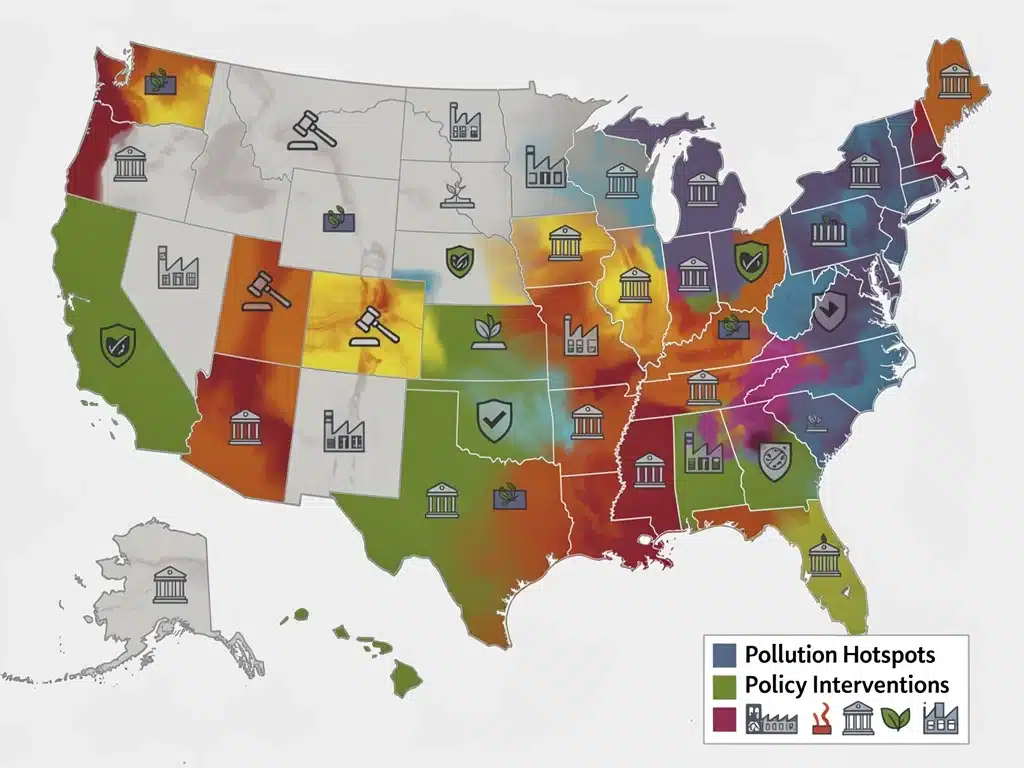
A crucial aspect of both federal and state initiatives is the ability to accurately measure their impact and ensure accountability.
In 2026, there is an increased emphasis on data-driven approaches to assess whether environmental justice policies are actually reducing pollution burdens and improving health outcomes in disadvantaged communities.
This involves developing robust metrics, conducting regular monitoring, and transparently reporting on progress.
Federal agencies are often tasked with setting national benchmarks, while states are responsible for collecting detailed local data to demonstrate the effectiveness of their specific programs.
Without clear accountability mechanisms, even the most well-intentioned policies risk becoming symbolic rather than substantive.
The ongoing challenge is to move beyond mere policy enactment to verifiable, on-the-ground improvements in the lives of underserved populations, a key focus for Environmental Justice in 2026.
Underserved Communities: At the Forefront of Progress
Underserved communities, including low-income populations and communities of color, remain at the heart of all environmental justice efforts.
Their lived experiences, historical burdens of pollution, and continued vulnerability underscore the urgency and necessity of effective federal and state interventions.
These communities are not merely passive recipients of policy; they are often the most vocal advocates for change, playing a critical role in shaping both federal and state agendas. Their activism, insights, and demands for equity drive much of the progress seen in Environmental Justice in 2026.
Ensuring that these communities have meaningful participation in decision-making processes and direct access to the benefits of environmental initiatives is paramount. Without their voices and leadership, policies risk falling short of their intended goals, perpetuating cycles of injustice.
Empowering Local Voices and Leadership
Both federal and state programs are increasingly recognizing the importance of empowering local voices and supporting community leadership in environmental justice efforts. This involves more than just consultation; it means ceding power and resources to allow communities to define their own environmental priorities and solutions.
Initiatives focused on capacity building, training, and direct funding for community-based organizations are becoming more common. These efforts aim to strengthen the ability of underserved communities to advocate for themselves, monitor local conditions, and participate effectively in policy implementation.
The shift towards genuine empowerment is a positive development, indicating a deeper understanding that sustainable environmental justice outcomes stem from self-determination and local ownership. This focus on local agency is a defining characteristic of progress in Environmental Justice in 2026.
Addressing Historical Inequities and Systemic Racism
A core tenet of Environmental Justice in 2026 is the explicit recognition and redress of historical inequities and systemic racism that have led to the disproportionate siting of polluting industries in marginalized communities.
Both federal and state initiatives are now grappling with the legacy of these injustices.
This involves not only preventing future harms but also actively working to remediate past damage and dismantle discriminatory practices embedded in zoning laws, urban planning, and regulatory enforcement.
Acknowledging and confronting these deep-seated issues is fundamental to achieving true environmental equity.
Comprehensive environmental justice strategies must, therefore, be intersectional, addressing the root causes of vulnerability that extend beyond environmental factors to encompass social, economic, and racial disparities. This holistic approach is essential for meaningful and lasting change.
Future Outlook: Towards Greater Equity and Collaboration in Environmental Justice 2026
Looking ahead, the trajectory of Environmental Justice in 2026 and beyond will likely be defined by enhanced collaboration between federal and state governments, driven by a shared commitment to equity.
The increasing recognition of climate change as an environmental justice issue is also compelling both levels of government to integrate climate resilience into their equity strategies.
The role of data and technology in identifying vulnerable communities, monitoring environmental conditions, and tracking the efficacy of interventions will also grow.
This data-driven approach will be crucial for ensuring transparency and accountability in the pursuit of environmental justice.
Ultimately, the success of environmental justice efforts will depend on sustained political will, robust funding, and the continued empowerment of underserved communities to lead the charge for a healthier, more equitable future.
The ongoing comparison between federal and state impacts will provide valuable lessons for refining these critical initiatives.
| Key Point | Brief Description |
|---|---|
| Federal Role | Provides broad mandates, significant funding, and national enforcement for Environmental Justice in 2026. |
| State Role | Offers tailored solutions, local engagement, and specific regulatory frameworks for communities. |
| Community Impact | Underserved communities are central, driving advocacy and benefiting from targeted interventions. |
| Key Challenge | Ensuring effective coordination and accountability across different governance levels. |
Frequently Asked Questions on Environmental Justice in 2026
Federal initiatives typically set national standards and allocate large-scale funding, aiming for broad impact. State initiatives, conversely, often provide more localized, community-specific solutions and regulatory frameworks tailored to regional environmental challenges and population needs. Both are crucial for achieving comprehensive Environmental Justice in 2026.
The Justice40 Initiative mandates that 40% of benefits from certain federal investments flow to disadvantaged communities. In 2026, this initiative is a major driver of equitable resource distribution in areas like clean energy, climate resilience, and infrastructure, significantly shaping federal efforts towards environmental justice.
No, state-level efforts vary significantly due to differing political priorities, legislative capacities, and community needs. While some states like California lead with comprehensive laws, others are still developing their frameworks, leading to a diverse and sometimes inconsistent landscape for Environmental Justice in 2026.
Underserved communities are central to environmental justice efforts, acting as key advocates, partners, and beneficiaries. Their active participation and leadership are crucial for identifying local needs, shaping policies, and ensuring effective implementation of both federal and state initiatives, driving the agenda for Environmental Justice in 2026.
Key challenges include ensuring effective coordination between federal and state efforts, overcoming political and budgetary constraints, and accurately measuring the impact of initiatives. Addressing historical inequities and systemic racism also remains a foundational challenge for advancing Environmental Justice in 2026 effectively.
Looking Ahead: The Interplay of Policy and Progress
The ongoing comparison of federal and state-level initiatives offers vital insights into the dynamic pursuit of Environmental Justice in 2026. What emerges is a complex yet hopeful picture where both levels of governance are indispensable.
The coming years will demand greater synergy, transparent accountability, and unwavering commitment to the communities most affected by environmental inequities.
Monitoring how these policies evolve and adapt to real-world challenges will be crucial in understanding the true progress of environmental justice.