From Protest to Policy: 4 Strategies to Translate Social Movements into Legislative Change in 2026
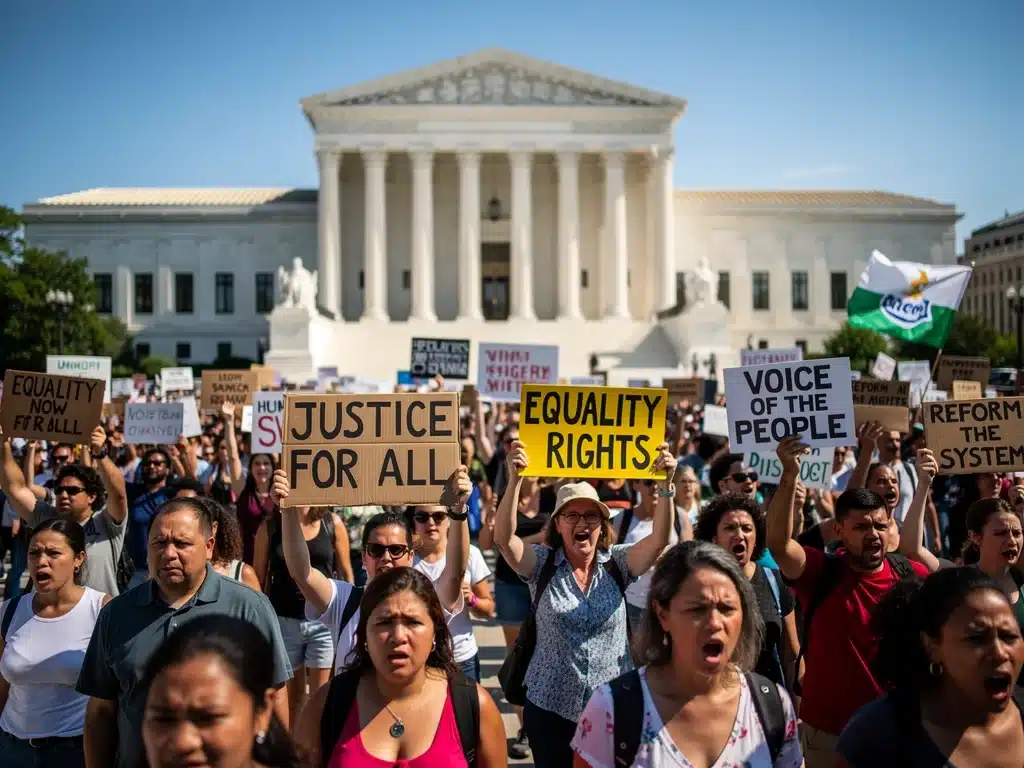
When the shouting stops and the signs come down, how does public outrage actually become law? In a rapidly shifting political landscape, mastering the right Strategies for Legislative Change is the only way to convert raw energy into real legal frameworks.
Grassroots movements are no longer just demanding attention, they are actively rewriting the rulebook. Activists are shifting from shouting outside the halls of power to directly drafting statutory reforms and reshaping policy from the inside out.
This evolution marks a critical turning point for modern advocacy. If you want to understand how today’s social justice movements are successfully altering government action, you need to watch how these tactical shifts are playing out right now.
The Shifting Landscape: From Street to Capitol
Social movements in the United States are increasingly sophisticated, moving beyond mere demonstration to strategic engagement with legislative processes. This evolution marks a critical phase where public sentiment directly informs policy discussions and legislative initiatives.
Activists and advocates are recognizing that sustained change requires more than visibility; it demands a clear pathway to legal reform. The focus is now on translating widespread public support into concrete legislative proposals that address systemic issues.
This strategic pivot underscores a dynamic interplay between grassroots mobilization and institutional advocacy. The goal is to ensure that the energy generated by protests culminates in lasting policy shifts by 2026, creating a tangible impact on society.
Strategy 1: Building Coalitions and Strategic Alliances
One of the most effective methods for achieving legislative change is the formation of broad and diverse coalitions. These alliances amplify voices and pool resources, presenting a unified front to policymakers and the public alike.
By bringing together various organizations, community groups, and individual stakeholders, movements can demonstrate widespread support for their causes.
This collective power is crucial for influencing legislative agendas and ensuring that diverse perspectives are represented in policy discussions.
The strength of a coalition often lies in its ability to bridge ideological divides and focus on common legislative goals. This collaborative approach is proving instrumental in driving the transition from protest to policy 2026.
Unifying Diverse Voices for Impact
Successful coalitions often span different sectors, including civil rights groups, environmental organizations, labor unions, and religious institutions. This diversity not only broadens the movement’s reach but also enhances its credibility and legitimacy.
The ability to present a united front on specific legislative demands makes it harder for lawmakers to dismiss or ignore the movement’s objectives. When multiple influential groups endorse a policy, its chances of advancing significantly increase.
For instance, recent movements have seen environmental justice advocates partnering with indigenous communities to push for stronger climate legislation. These alliances demonstrate the power of solidarity in achieving complex policy goals.
- Cross-sector collaboration: Uniting disparate groups to achieve shared legislative goals.
- Resource pooling: Combining financial, human, and intellectual resources for greater advocacy impact.
- Amplified messaging: Ensuring a consistent and powerful message resonates with policymakers and the public.
- Increased legitimacy: Presenting a broad base of support to enhance policy proposals’ credibility.
Strategy 2: Direct Lobbying and Advocacy
Direct lobbying remains a cornerstone of translating social movements into legislative change. This involves engaging directly with elected officials and their staff to advocate for specific policy proposals and legislative reforms.
Effective lobbying requires a deep understanding of the legislative process, strong communication skills, and the ability to articulate the tangible benefits of proposed changes. It’s about building relationships and providing compelling arguments supported by data and community stories.
Organizations are investing in professional lobbyists and training community members to become effective advocates.
This dual approach ensures that both experienced professionals and authentic grassroots voices are heard in the halls of power, paving the way for protest to policy 2026.
Engaging Lawmakers with Purpose
Successful direct lobbying campaigns often involve scheduled meetings, policy briefs, and testimonials from affected individuals. These interactions personalize the issues and highlight the real-world impact of legislative decisions.
Advocates must be prepared to counter opposition arguments with factual information and demonstrate the broad public support for their proposals. Persistence and strategic timing are also crucial elements in securing legislative victories.
For example, disability rights advocates frequently lobby for accessibility legislation, presenting personal stories alongside legal arguments to sway lawmakers. This blend of personal narrative and policy expertise is highly effective.
Strategy 3: Public Awareness and Media Engagement
Sustained public awareness campaigns and strategic media engagement are vital for maintaining momentum and pressure on policymakers. Public opinion can be a powerful force in driving legislative change, and media plays a critical role in shaping that opinion.
Movements utilize various platforms, from traditional news outlets to social media, to disseminate their messages and mobilize public support. The goal is to keep the issue in the public consciousness and demonstrate a clear mandate for action.
By controlling the narrative and effectively communicating their objectives, social movements can create an environment where legislative inaction becomes politically costly. This strategy is essential for ensuring the longevity and impact of protest to policy 2026 initiatives.
Shaping the Narrative Through Media
Modern advocacy relies heavily on digital media strategies, including viral campaigns, online petitions, and influencer partnerships. These tools allow movements to reach vast audiences quickly and efficiently, bypassing traditional gatekeepers.
Crafting compelling stories and visuals that resonate with the public is key to successful media engagement. Highlighting human interest angles and demonstrating the urgency of the issue can significantly increase public empathy and support.
For instance, movements addressing racial injustice have effectively used social media to document incidents and organize rapid responses, thereby forcing public and political attention onto their demands.
- Strategic storytelling: Creating narratives that connect with public emotions and drive engagement.
- Digital activism: Leveraging social media, online petitions, and crowdfunding to mobilize support.
- Media partnerships: Collaborating with journalists and news outlets to ensure widespread coverage.
- Rapid response communication: Quickly addressing misinformation and amplifying key messages during critical moments.
Strategy 4: Electoral Engagement and Political Pressure
Engaging in the electoral process is a direct way for social movements to influence legislative outcomes. This strategy involves supporting candidates who champion their causes and holding elected officials accountable for their promises.
Movements can mobilize voters, organize registration drives, and conduct voter education campaigns to ensure that their issues are prioritized during elections. This direct political involvement transforms abstract ideals into concrete electoral power.
By endorsing candidates and actively participating in campaigns, movements can shape the composition of legislative bodies, thereby increasing the likelihood of favorable policy decisions. This strategic electoral focus is crucial for achieving protest to policy 2026.
Influencing Elections for Policy Outcomes
Beyond supporting specific candidates, electoral engagement also includes holding incumbents accountable through public scorecards and voter guides. These tools inform the electorate about how their representatives vote on key issues.
The threat of electoral consequences can be a powerful motivator for lawmakers to address the demands of social movements. When politicians understand that their re-election depends on their responsiveness, they are more likely to act.
For example, gun control advocates have successfully mobilized voters in key states, leading to the election of candidates committed to stricter gun laws and the defeat of those who oppose them. This demonstrates the direct link between electoral pressure and legislative change.

Measuring Impact: Metrics for Legislative Success
Defining and measuring success in the context of legislative change is crucial for social movements to demonstrate their effectiveness. This involves tracking progress from initial protest to the final passage of policy, including intermediate milestones.
Metrics can range from the introduction of relevant bills and committee hearings to the securing of legislative sponsors and, ultimately, bill passage. Quantifying these achievements helps movements assess their strategies and adapt as needed.
Transparency in reporting progress not only motivates activists but also provides accountability to the broader public and funders. Understanding these metrics is vital for evaluating the success of the protest to policy 2026 framework.
Key Indicators of Policy Progress
Beyond the simple passage of legislation, movements also consider the quality and scope of the enacted policies. A bill that addresses the core issues effectively is more valuable than one that is watered down or symbolic.
Long-term impact assessment, such as changes in community well-being or reductions in systemic inequalities, provides a comprehensive view of success. This holistic approach ensures that legislative victories translate into meaningful societal improvements.
For instance, movements advocating for criminal justice reform track not only the passage of new laws but also their implementation and the subsequent impact on incarceration rates and recidivism.
Challenges and Opportunities for 2026
Despite significant progress, social movements face numerous challenges in translating protest into policy 2026. These include political polarization, powerful opposition from vested interests, and the inherent complexities of the legislative process.
Overcoming these hurdles requires persistent effort, innovative strategies, and a deep understanding of political dynamics. Movements must be agile and adaptable, ready to seize opportunities as they arise and navigate setbacks with resilience.
However, the current political climate also presents unique opportunities, particularly with increased public engagement and a heightened awareness of social justice issues. The stage is set for significant legislative battles leading up to 2026.
Navigating the Political Landscape
The rise of digital tools and social media has democratized activism, allowing smaller groups to gain national attention and mobilize support. This empowers movements to challenge established power structures more effectively.
Furthermore, an increasing number of lawmakers are becoming more responsive to grassroots pressure, recognizing the electoral implications of ignoring public demands. This shift creates a more fertile ground for legislative advocacy.
Movements must continue to refine their strategies, focusing on data-driven advocacy and building strong, lasting relationships with policymakers and community leaders. This continuous evolution is key to successful protest to policy 2026 initiatives.

Sustaining Momentum Beyond the Headlines
Maintaining momentum after initial protests fade from the headlines is a critical challenge for social movements aiming for legislative change. The focus must shift from episodic demonstrations to sustained, strategic engagement.
This involves continuous advocacy, public education, and monitoring of legislative developments. Movements must institutionalize their efforts, building organizations that can endure and adapt over the long term.
The goal is to create a perpetual feedback loop where public pressure informs policy, and policy successes reinforce public engagement. This sustained effort is fundamental to achieving lasting protest to policy 2026 outcomes.
Building Resilient Advocacy Infrastructures
Long-term success requires investing in organizational capacity, including staff training, fundraising, and strategic planning. A strong infrastructure allows movements to respond effectively to political shifts and legislative opportunities.
Developing a pipeline of future leaders and advocates is also crucial for sustainability. This ensures that the movement’s mission and expertise are passed on, maintaining its vitality across generations.
For instance, civil rights organizations have built robust infrastructures over decades, allowing them to continue advocating for justice long after specific protest movements have concluded. This resilience is a model for protest to policy 2026 efforts.
| Key Strategy | Brief Description |
|---|---|
| Coalition Building | Uniting diverse groups to amplify advocacy and influence legislative agendas. |
| Direct Lobbying | Engaging directly with lawmakers to advocate for specific policy changes. |
| Public Awareness | Utilizing media and campaigns to shape public opinion and pressure policymakers. |
| Electoral Engagement | Influencing elections by supporting candidates and mobilizing voters. |
Frequently Asked Questions About Protest to Policy 2026
Success for social movements in achieving legislative change is defined by the passage of bills, their effective implementation, and measurable improvements in societal conditions. It also involves sustained public awareness and the institutionalization of advocacy efforts. The goal is concrete policy that addresses the movement’s core demands effectively.
Coalitions enhance legislative impact by uniting diverse groups, amplifying voices, and pooling resources. This collective power presents a unified front to policymakers, demonstrating broad support for specific legislative proposals. It increases credibility and makes it harder for lawmakers to ignore the movement’s demands, driving effective protest to policy 2026.
Direct lobbying is crucial for policy transformation as it involves direct engagement with elected officials and their staff. Advocates present specific policy proposals, supported by data and community stories, to influence legislative agendas. Building relationships and providing compelling arguments are key to securing legislative victories and moving From Protest to Policy: 4 Strategies to Translate Social Movements into Legislative Change in 2026.
Social media contributes significantly to legislative change by enabling rapid mobilization, widespread dissemination of messages, and shaping public opinion. It allows movements to control narratives, launch viral campaigns, and pressure policymakers through online petitions. This digital engagement helps sustain momentum and ensures issues remain in the public consciousness, supporting protest to policy 2026.
Electoral engagement is vital for social movements because it directly influences the composition of legislative bodies. By supporting aligned candidates, mobilizing voters, and holding officials accountable, movements can increase the likelihood of favorable policy decisions. This strategic involvement converts grassroots energy into tangible political power, essential for From Protest to Policy: 4 Strategies to Translate Social Movements into Legislative Change in 2026.
Perspectives for the Future of Advocacy
The evolving strategies employed by social movements signal a maturing landscape for advocacy in the United States. The shift from spontaneous protest to calculated legislative engagement highlights a deeper understanding of political power.
As 2026 approaches, the effectiveness of these four strategies will continue to be tested by political realities and public engagement. The ability of movements to adapt and innovate will determine their long-term impact on policy.
Understanding these dynamics is crucial for citizens, policymakers, and activists alike, as the journey From Protest to Policy: 4 Strategies to Translate Social Movements into Legislative Change in 2026 reshapes the nation’s legal and social fabric.