A 6-Month Plan: Building Effective Coalitions for Social Justice in the Current Political Climate of 2026

In an era defined by rapid political shifts, mastering Social Justice Coalitions is no longer optional, it is the bedrock of survival. This 6-month roadmap transforms fragmented advocacy into a disciplined, unified force capable of systemic disruption.
Strategic alliances today require more than shared values; they demand tactical synchronicity and radical trust. By bridging diverse grassroots movements, we can navigate the polarized landscape of 2026 to turn collective momentum into legislative reality.
This guide serves as your operational blueprint for forging resilient partnerships that withstand external pressures. Let’s move beyond temporary solidarity and build a sustainable engine for equity that commands the national stage.
Understanding the 2026 Political Landscape
The political landscape in 2026 is characterized by heightened polarization, evolving legislative priorities, and significant social shifts. These dynamics directly impact the viability and strategy of social justice initiatives. Recognizing these elements is the first step in crafting an effective coalition.
Economic disparities continue to widen, and debates around civil liberties are intensifying across various states. These factors create both urgency and complexity for organizations working towards equity. A clear understanding of these currents is vital for any successful Social Justice Coalitions effort.
Furthermore, the increased use of digital platforms for political discourse means that narratives can shift rapidly. Coalitions must be prepared to engage in these spaces, counter misinformation, and amplify their messages effectively. This requires a nuanced approach to communication and outreach.
Key Political Trends and Their Impact
Several political trends are shaping the advocacy environment. These include a more fragmented media landscape, increased grassroots activism, and a re-evaluation of traditional political alliances. Understanding these trends is crucial for forming effective Social Justice Coalitions.
The rise of identity politics and intersectional approaches also plays a significant role. Social justice movements are increasingly recognizing the interconnectedness of various forms of oppression, demanding more inclusive and holistic strategies.
This calls for coalitions that can bridge diverse experiences and perspectives.
- Increased legislative focus on state-level policies affecting voting rights and reproductive freedoms.
- The growing influence of digital activism and online organizing for rapid mobilization.
- Shifting public opinion on issues such as climate justice and economic inequality.
Challenges and Opportunities for Social Justice Coalitions
The current climate presents significant challenges, including resource constraints, political resistance, and the need for sustained engagement. However, it also offers opportunities for innovation and broader alliances. Overcoming obstacles requires strategic planning and resilient leadership.
The increased awareness of systemic injustices among younger generations provides a fertile ground for new activism and support. Engaging these demographics is key to building dynamic and forward-thinking coalitions. This demographic shift offers a critical opportunity for growth.
Moreover, technological advancements offer new tools for organizing, communication, and data analysis. Leveraging these tools can enhance efficiency and reach, allowing coalitions to operate more effectively with limited resources. This digital integration is a game-changer for social justice movements.
Phase 1: Foundation and Initial Outreach (Months 1-2)
The first two months of Social Justice Coalitions are dedicated to laying a strong foundation. This involves identifying potential partners, defining shared goals, and establishing initial communication channels. A clear vision is paramount at this stage.
Establishing trust and mutual understanding among diverse organizations is critical. This phase requires open dialogue, active listening, and a commitment to shared values, even when approaches differ. These early interactions set the tone for future collaboration within Social Justice Coalitions in 2026.
Initial outreach efforts should be strategic, targeting organizations with complementary missions and a history of effective advocacy. Focused engagement ensures that time and resources are utilized efficiently, leading to more impactful partnerships. This careful selection is vital.
Identifying Key Stakeholders and Partners
Identifying key stakeholders involves a comprehensive mapping of the social justice ecosystem. This includes non-profits, community groups, academic institutions, and grassroots organizations. A diverse range of perspectives strengthens the coalition’s overall impact and reach.
Consider organizations that focus on different aspects of social justice, such as environmental justice, racial equity, LGBTQ+ rights, or economic justice. This intersectional approach ensures a more holistic and robust coalition. Diverse partnerships are a cornerstone of effective Social Justice Coalitions.
Engagement with grassroots leaders and individuals directly impacted by injustices is also crucial. Their lived experiences provide invaluable insights and ensure that the coalition’s agenda is grounded in real-world needs. Their voices are essential for authentic advocacy.
- Researching organizations with aligned missions and values.
- Conducting one-on-one meetings to assess potential synergies and shared objectives.
- Identifying influential community leaders and advocates for inclusion.
Defining Shared Vision and Goals
A clear, shared vision is the glue that holds any coalition together. During this phase, it is essential to facilitate discussions that lead to a consensus on overarching goals and principles. This shared understanding provides direction and purpose for all members.
Goals should be specific, measurable, achievable, relevant, and time-bound (SMART). This framework ensures that the coalition’s efforts are focused and that progress can be tracked effectively. Defined objectives are key to the success of Social Justice Coalitions 2026.
These discussions should also address potential areas of disagreement or differing priorities early on. Openly acknowledging and working through these differences builds resilience and strengthens the coalition’s ability to navigate future challenges. Transparency fosters unity.
Phase 2: Structure and Strategy Development (Months 3-4)
Months three and four are dedicated to formalizing the coalition’s structure and developing concrete strategies. This involves establishing governance models, communication protocols, and action plans. A well-defined structure ensures efficiency and accountability within Social Justice Coalitions.
Creating a framework that supports collaborative decision-making and equitable resource distribution is vital. This phase requires careful consideration of how the coalition will operate internally and interact with external stakeholders. Clear guidelines prevent misunderstandings and promote harmony.
Strategic planning sessions should focus on identifying specific campaigns, advocacy targets, and communication messaging. These detailed plans transform shared visions into actionable steps.
Establishing Governance and Communication Protocols
A robust governance structure is essential for the long-term sustainability of the coalition. This may involve creating a steering committee, defining roles and responsibilities, and establishing conflict resolution mechanisms. Clear leadership ensures smooth operations.
Communication protocols should facilitate regular and transparent information exchange among members.
This includes choosing preferred communication channels, setting meeting schedules, and establishing guidelines for external messaging. Consistent communication keeps everyone informed and engaged in Social Justice Coalitions in 2026.
Developing a shared digital infrastructure, such as a secure online platform for document sharing and collaborative work, can significantly enhance efficiency. This ensures that all members have access to the necessary resources and information. Digital tools streamline collaboration.
Developing Joint Campaigns and Advocacy Strategies
Joint campaigns should be designed to leverage the collective strengths of all coalition members. This involves identifying common issues where combined efforts can achieve greater impact. Strategic alignment is key to maximizing influence.
Advocacy strategies must be tailored to the specific political context of 2026, considering legislative calendars, public sentiment, and potential opposition. This requires a flexible and adaptive approach to ensure responsiveness to evolving circumstances. Agility is crucial for effective Social Justice Coalitions 2026.
- Identifying specific policy targets and legislative opportunities.
- Developing compelling messaging that resonates with diverse audiences.
- Planning coordinated actions, including public demonstrations, lobbying efforts, and digital campaigns.
Phase 3: Implementation and Mobilization (Months 5-6)
The final two months of Social Justice Coalitions focus on putting plans into action. This involves launching campaigns, mobilizing supporters, and actively engaging with decision-makers. This is where the groundwork translates into tangible advocacy.
Effective mobilization requires coordinated efforts, leveraging each member organization’s networks and resources. This phase tests the coalition’s ability to act as a unified force, demonstrating its collective power. Synchronized action amplifies impact.
Continuous monitoring and evaluation of ongoing campaigns are essential to adapt strategies as needed. Flexibility in implementation ensures that the coalition remains responsive to feedback and evolving conditions.
Launching Coordinated Actions and Campaigns
Launching campaigns involves executing the strategies developed in the previous phase. This can include media outreach, public education initiatives, and direct advocacy efforts. A unified message across all channels is critical for maximum impact.
Coordinated actions, such as joint press conferences, rallies, or digital advocacy days, demonstrate the breadth and depth of the coalition’s support. These events generate public attention and pressure on decision-makers. Visible unity is a powerful tool for Social Justice Coalitions in 2026.
Utilizing diverse tactics, from traditional lobbying to creative grassroots organizing, ensures that the coalition can reach various audiences and influence different spheres of power. A multi-pronged approach increases the likelihood of success. Innovation in tactics is vital.
Engaging with Policymakers and Public Education
Direct engagement with policymakers is a critical component of advocacy. This involves scheduling meetings, submitting policy recommendations, and providing expert testimony. Building relationships with elected officials and their staff can open doors for influence.
Public education campaigns are essential for building broader support and understanding of the coalition’s goals. This can include creating informational materials, hosting community forums, and utilizing social media to disseminate key messages.
Informed citizens are powerful allies for Social Justice Coalitions in 2026.
Leveraging media relations to amplify the coalition’s voice is also important. This involves crafting compelling narratives, issuing press releases, and cultivating relationships with journalists.
Positive media coverage can significantly boost public awareness and support. Strategic media outreach is key.
Resource Mobilization and Sustainability
Securing adequate resources is fundamental for the long-term success of any social justice coalition. This involves not only financial resources but also human capital, expertise, and technical support. A sustainable coalition requires diversified funding streams and strategic partnerships.
Developing a resource mobilization plan early in the process ensures that the coalition has the necessary means to execute its initiatives.
This plan should identify potential funding sources, including grants, individual donations, and in-kind contributions. Financial stability underpins sustained effort.
Sustainability also involves building the capacity of member organizations and fostering leadership development within the coalition.
Empowering members ensures that the coalition remains dynamic and resilient, even in the face of leadership changes.
Funding Strategies for Coalitions
Diversifying funding sources is a crucial strategy for financial stability. Relying on a single funding stream can leave a coalition vulnerable to external pressures or changes in donor priorities. A varied approach mitigates risk and ensures continuity.
Exploring grant opportunities from foundations and government agencies that align with social justice missions is a primary funding avenue. Developing strong grant proposals that highlight the coalition’s impact and collaborative nature is essential.
- Identifying and applying for grants from philanthropic organizations.
- Launching grassroots fundraising campaigns to engage individual donors.
- Seeking corporate sponsorships from ethically aligned businesses.
Building Capacity and Sustaining Momentum
Capacity building involves providing training and support to member organizations in areas such as advocacy, communications, and organizational management. Strengthening individual members strengthens the entire coalition. Continuous learning is vital for growth.
Sustaining momentum requires consistent engagement, celebrating successes, and adapting to new challenges. Regular communication, shared victories, and a clear path forward keep members motivated and committed.
Recognizing contributions fosters a sense of ownership and collective achievement in Social Justice Coalitions 2026.
Developing a succession plan for leadership roles within the coalition ensures continuity and prevents disruption. Mentoring emerging leaders and distributing responsibilities can build a stronger, more resilient organization. This forward-thinking approach secures future impact.
Measuring Impact and Adaptation
Measuring the impact of social justice coalitions is essential for demonstrating effectiveness, securing funding, and refining strategies.
This involves establishing clear metrics and regularly evaluating progress against defined goals. Data-driven insights are invaluable for continuous improvement.
An adaptive approach to strategy acknowledges that the political and social landscape is constantly evolving.
Coalitions must be prepared to adjust their tactics and priorities based on new information and changing circumstances.
Regular reporting on outcomes and challenges ensures transparency and accountability to both members and external stakeholders. This commitment to evaluation builds trust and reinforces the coalition’s credibility. Transparent reporting is a cornerstone of good governance.
Metrics for Success and Evaluation Frameworks
Metrics for success should align with the coalition’s stated goals and vision. These can include policy changes achieved, public awareness raised, number of community members engaged, or resources mobilized. Quantifiable data provides concrete evidence of impact.
Developing an evaluation framework involves defining how data will be collected, analyzed, and reported. This might include surveys, interviews, media analysis, and legislative tracking. A robust framework ensures reliable and consistent measurement for Social Justice Coalitions in 2026.
Regular review meetings allow the coalition to assess what is working, what isn’t, and why. This feedback loop is crucial for informed decision-making and continuous improvement. Learning from experience strengthens future efforts.
Adapting to Evolving Political and Social Dynamics
The political and social environment is rarely static, especially in the context of social justice. Coalitions must be agile and prepared to pivot their strategies in response to new legislative proposals, public opinion shifts, or emerging social issues.
Responsiveness is key to maintaining relevance and effectiveness.
Scenario planning can help coalitions anticipate potential challenges and opportunities, allowing for proactive rather than reactive responses. This involves considering various future outcomes and developing contingency plans.
Maintaining open lines of communication with diverse communities and experts provides early warnings of emerging trends. This external awareness allows the coalition to stay ahead of the curve and adapt its advocacy efforts effectively. Continuous environmental scanning is essential.
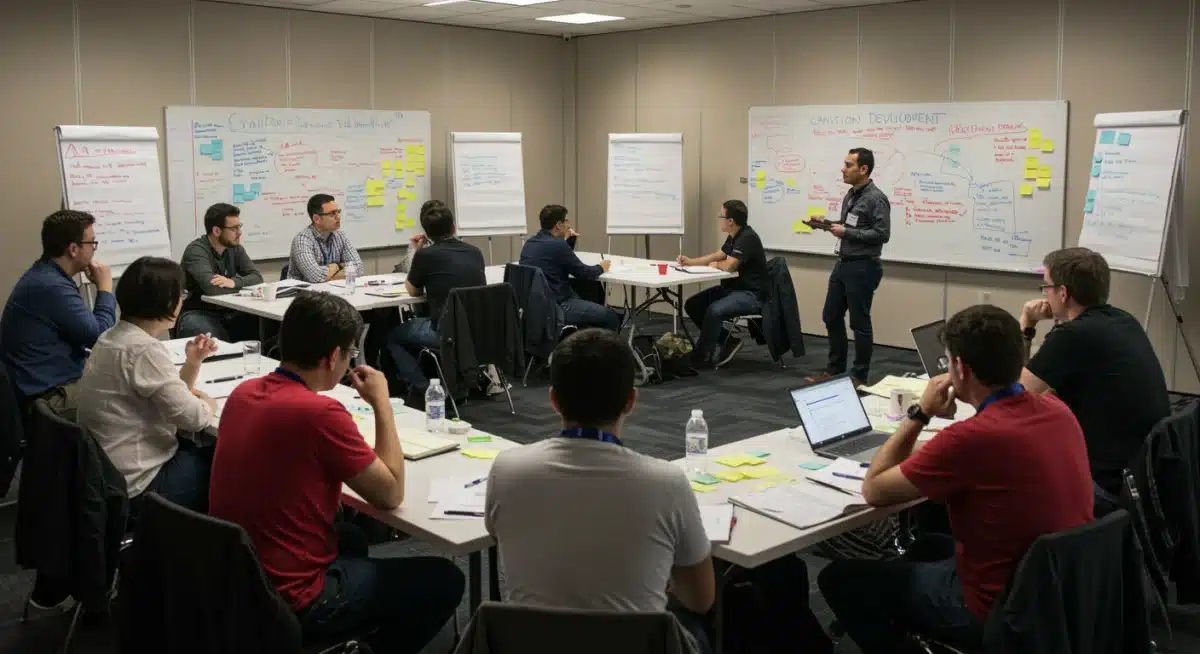
Case Studies: Lessons from Past Coalitions
Examining successful social justice coalitions from the past offers invaluable lessons for current and future efforts. Understanding what worked, and what didn’t, provides practical insights into effective strategies and common pitfalls. Historical context enriches current planning.
These case studies highlight the importance of adaptability, strong leadership, and inclusive participation in achieving long-term goals. They demonstrate that challenges are inevitable but can be overcome with strategic foresight and unwavering commitment.
Analyzing different models of coalition building, from grassroots movements to large-scale advocacy networks, helps identify best practices applicable to the 2026 political climate. This comparative analysis provides a broader perspective on effective collaboration. Diverse examples offer versatile lessons.
Success Stories in Social Justice Advocacy
Numerous coalitions have achieved significant victories in advocating for social justice. These successes often stem from a clear vision, strong internal cohesion, and effective external communication. Their achievements serve as inspiring blueprints for future endeavors.
For example, the civil rights movement’s coalition of various organizations demonstrated the power of unified action in achieving legislative change. Their ability to mobilize diverse groups and maintain a consistent message was instrumental.
This historical precedent offers powerful lessons for Social Justice Coalitions in 2026.
- The LGBTQ+ rights movement’s sustained efforts leading to landmark legal protections.
- Environmental justice coalitions successfully advocating for policy changes in affected communities.
- Disability rights groups achieving greater accessibility and inclusion through persistent advocacy.
Common Pitfalls and How to Avoid Them
Despite successes, coalitions often face common challenges that can derail their progress. These include internal conflicts, mission drift, and resource scarcity. Recognizing these pitfalls early can help in developing preventative strategies.
Lack of clear communication and unresolved disagreements among members can lead to fragmentation and loss of momentum. Establishing robust conflict resolution mechanisms and fostering an environment of open dialogue are crucial.
Proactive conflict management is essential for Social Justice Coalitions in 2026.
Ensuring that all members feel valued and heard helps prevent disengagement and promotes sustained participation. Inclusive leadership and equitable decision-making processes are vital for maintaining cohesion. Shared ownership strengthens commitment.
Cultivating Inclusive Leadership
Inclusive leadership is paramount for building and sustaining effective social justice coalitions. This approach ensures that diverse voices are heard, decisions are equitable, and all members feel a sense of ownership and belonging. Leadership that reflects the coalition’s diversity bolsters its legitimacy and impact.
Leaders must actively foster an environment where different perspectives are not only tolerated but celebrated as sources of strength and innovation. This involves intentional efforts to dismantle power hierarchies and promote shared responsibility.
Developing a pipeline of new leaders from various backgrounds ensures the coalition’s long-term vitality and relevance. Mentorship programs and leadership training can empower emerging advocates, preparing them to guide future initiatives. Investing in leadership is investing in the future.
Promoting Diversity and Equity in Leadership Roles
Actively promoting diversity in leadership roles goes beyond mere representation; it involves ensuring that leaders from marginalized communities have genuine power and influence within the coalition.
This requires intentional strategies to address systemic barriers and provide equitable opportunities.
Equity in leadership means fair access to resources, support, and decision-making processes. It involves recognizing and valuing the unique experiences and expertise that diverse leaders bring to the table.
Regularly reviewing leadership structures and practices to identify and address biases is crucial. This ongoing self-assessment ensures that the coalition remains true to its values of social justice internally as well as externally. Continuous improvement is key.
Training and Development for Coalition Leaders
Providing comprehensive training and development opportunities for coalition leaders is an investment in the entire movement. This can include training in conflict resolution, strategic planning, fundraising, and media relations. Equipped leaders are more effective advocates.
Workshops on inclusive facilitation and anti-oppression principles can help leaders create more equitable and productive meeting environments. These skills are essential for navigating complex discussions and ensuring all voices are heard.
Mentorship programs, where experienced leaders guide newer ones, foster knowledge transfer and build a supportive community. This peer-to-peer learning strengthens the leadership capacity across the coalition. A strong network of leaders ensures sustained impact.
Navigating Digital Advocacy and Media Relations
In the 2026 political climate, digital advocacy and strategic media relations are indispensable tools for social justice coalitions. Leveraging online platforms effectively can amplify messages, mobilize supporters, and counter misinformation. A robust digital presence is no longer optional but essential for reach.
Crafting compelling narratives and distributing them through various digital channels ensures that the coalition’s message reaches a broad and diverse audience. This requires a nuanced understanding of different platforms and their respective audiences.
Engaging with traditional media outlets remains important for credibility and broader public awareness. Developing strong relationships with journalists and providing timely, accurate information can secure valuable coverage. A multi-channel approach maximizes visibility.
Leveraging Social Media for Mobilization and Engagement
Social media platforms offer unparalleled opportunities for rapid mobilization and direct engagement with supporters. Strategic use of platforms like Twitter, Instagram, and TikTok can create viral moments and galvanize action. Digital campaigns can quickly reach millions.
Developing engaging content, including infographics, videos, and personal stories, helps humanize issues and resonate with online audiences. Authentic storytelling builds emotional connections and encourages participation. Powerful narratives drive online movements for Social Justice Coalitions in 2026.
- Creating a unified social media strategy with consistent messaging and hashtags.
- Utilizing live streams and interactive sessions to engage with followers in real-time.
- Monitoring online conversations to identify emerging issues and counter negative narratives.
Strategic Media Outreach and Storytelling
Strategic media outreach involves identifying key media outlets and journalists who cover social justice issues. Building relationships with these professionals can lead to more consistent and impactful coverage. Targeted outreach maximizes media effectiveness.
Crafting clear, concise, and compelling press releases and media kits ensures that journalists have all the necessary information to report accurately.
Providing expert spokespeople who can articulate the coalition’s message effectively is also crucial. Professional media engagement builds trust for Social Justice Coalitions in 2026.
Storytelling is a powerful tool for conveying the human impact of social justice issues. Sharing personal narratives and testimonials can create empathy and galvanize public support. Authentic stories resonate deeply and drive action. Human-centered narratives are incredibly persuasive.
| Key Phase | Core Actions |
|---|---|
| Phase 1: Foundation | Identify partners, define shared vision and initial outreach. |
| Phase 2: Structure | Establish governance, communication, and campaign strategies. |
| Phase 3: Implementation | Launch campaigns, mobilize supporters, and engage policymakers. |
| Sustain & Evaluate | Mobilize resources, measure impact, and adapt strategies. |
Frequently Asked Questions About Social Justice Coalitions in 2026
The primary goal is to provide a structured, actionable framework for social justice organizations to form powerful and sustainable coalitions. This plan aims to enhance their collective advocacy, influence policy, and drive meaningful social change within the complex political landscape of 2026.
The 2026 political climate is marked by increased polarization and evolving legislative priorities. Coalition building amplifies voices, pools resources, and creates a unified front against systemic injustices, making it essential for achieving significant impact and navigating complex advocacy challenges effectively.
Initial steps involve identifying key stakeholders with aligned missions, conducting thorough outreach, and defining a clear, shared vision and goals. Establishing trust and mutual understanding among potential partners is crucial for laying a strong foundation for future collaborative efforts.
Long-term sustainability requires diversified funding strategies, continuous capacity building for member organizations, and inclusive leadership development. Regularly measuring impact and adapting strategies to evolving political dynamics are also vital for maintaining relevance and effectiveness over time.
Digital advocacy is critical for mobilizing supporters, amplifying messages, and countering misinformation. Leveraging social media platforms for engagement and crafting compelling narratives for online distribution are essential for reaching broad audiences and influencing public opinion in the current digital landscape.
Looking Ahead: Sustaining the Movement
The successful implementation of Social Justice Coalitions marks a critical milestone, but it is merely the beginning. Sustaining the momentum generated by these coalitions requires ongoing commitment, adaptability, and a forward-thinking approach.
The political landscape will continue to evolve, demanding constant vigilance and strategic adjustments.
Future efforts must focus on institutionalizing collaborative practices, fostering new leadership, and continuously engaging with emerging social issues.
The strength of these coalitions lies not just in their initial formation but in their ability to endure and adapt. This long-term perspective ensures that the fight for social justice remains robust and influential.
As we move beyond the initial six months, the insights gained from this plan will serve as a foundation for even greater impact.
The experience of building and maintaining effective Social Justice Coalitions 2026 will pave the way for a more equitable and just society, one collaborative step at a time.