Social Media’s 2026 Impact on Grassroots Social Justice Organizing
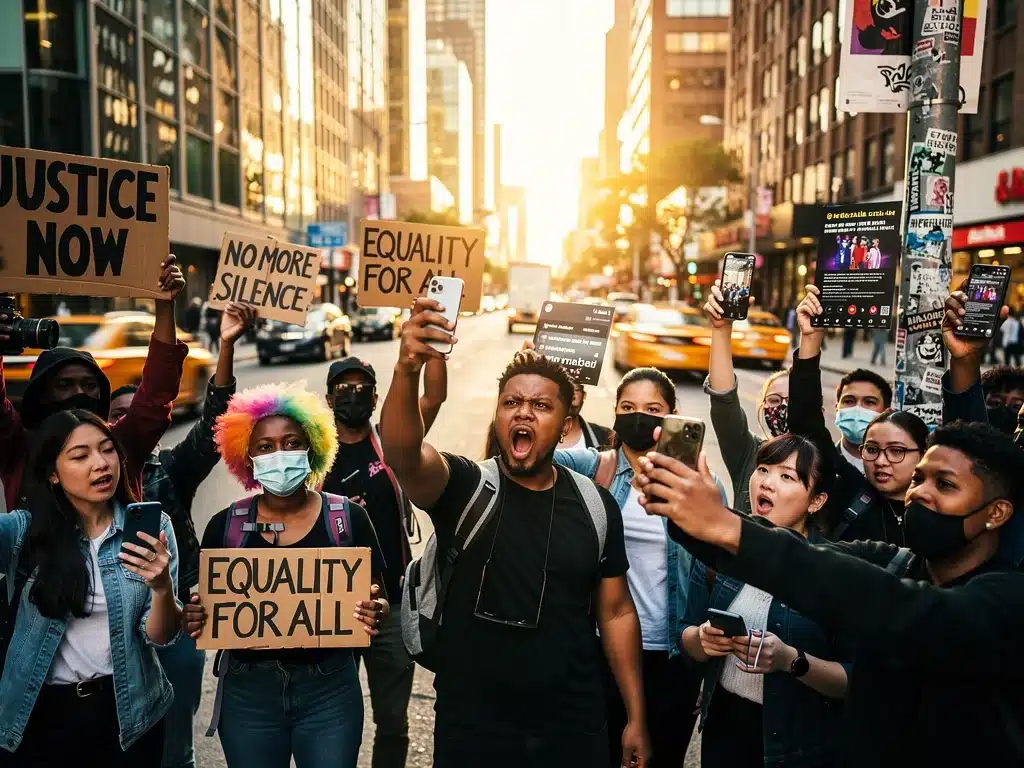
Can a simple post still ignite a global movement? In 2026, the power of Social Media to reshape activism is shifting dramatically, forcing community leaders to rewrite the playbook for digital mobilization.
As algorithmic changes and decentralized networks redefine online engagement, local advocacy groups are facing a new frontier. The digital landscape now requires tactical agility to convert viral moments into lasting political and cultural progress.
This analysis goes beneath the surface to explore how grassroots networks are adapting to these virtual spaces. Discover the new blueprints driving equity, overcoming digital fatigue, and fueling systemic change today.
The Evolution of Digital Mobilization in Grassroots Movements
The landscape of grassroots social justice organizing has been irrevocably altered by the pervasive influence of social media.
What once relied heavily on physical presence and word-of-mouth now leverages instantaneous digital dissemination, creating both unprecedented opportunities and new vulnerabilities for activists.
By 2026, social media platforms are projected to be even more deeply integrated into the core strategies of these movements, serving not just as communication tools but as central organizing hubs.
This integration necessitates a continuous adaptation of tactics and a nuanced understanding of platform algorithms and community guidelines.
The ability to rapidly mobilize large numbers of people, disseminate information, and garner international attention has fundamentally shifted the scale and speed at which grassroots initiatives can operate.
This digital transformation demands a re-evaluation of traditional organizing models and a proactive approach to technological advancements.
Instantaneous Information Dissemination
Social media platforms have become the primary conduits for sharing critical information, allowing grassroots organizations to bypass traditional media gatekeepers.
This direct line to the public ensures that messages are delivered unfiltered and rapidly, often before mainstream outlets can respond.
The immediacy offered by platforms like X (formerly Twitter), Instagram, and TikTok means that breaking news from protest sites or policy changes can be broadcast globally within minutes.
This rapid information flow is crucial for maintaining momentum and coordinating responses in fast-evolving situations, fundamentally changing the pace of social justice.
Building and Sustaining Online Communities
Beyond broadcasting, social media excels at fostering and sustaining online communities around shared causes. These digital spaces provide platforms for dialogue, mutual support, and strategic planning, transcending geographical boundaries and connecting like-minded individuals globally.
These online communities often serve as vital incubators for new ideas and strategies, allowing activists to collaborate on campaigns, share resources, and provide emotional support to one another.
The persistence of these digital networks ensures that movements can maintain a continuous presence, even during periods of reduced physical activity, strengthening the fabric of social media social justice initiatives.
Amplifying Voices and Global Reach
One of the most significant impacts of social media on grassroots social justice organizing by 2026 is its unparalleled capacity to amplify marginalized voices.
Platforms provide a direct channel for individuals and communities often overlooked by traditional media to share their experiences, perspectives, and demands with a global audience.
This amplification not only raises awareness but also builds solidarity across diverse populations, transforming local issues into international concerns.
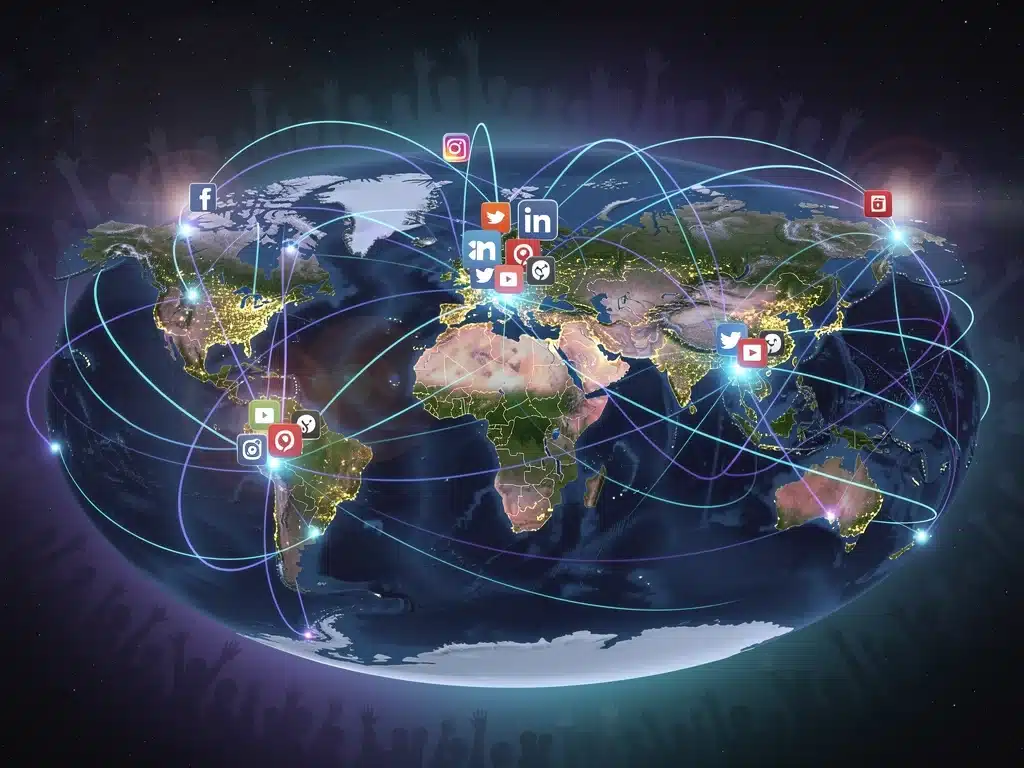
The ability to transcend geographical and cultural barriers has fundamentally reshaped how social justice is perceived and acted upon on a global scale, making social media social justice a truly global phenomenon.
The viral nature of content on these platforms means that a single post or video can reach millions, sparking conversations and inspiring action far beyond the initial creators’ immediate networks.
This democratizing effect of social media has empowered countless movements to gain traction and support that would have been unimaginable a decade ago.
Crowdsourcing Support and Resources
Social media has become an indispensable tool for crowdsourcing both financial and non-financial support for grassroots initiatives. Campaigns for legal aid, medical expenses, or direct action supplies can quickly gain traction, converting digital engagement into tangible resources.
Beyond monetary contributions, these platforms facilitate the crowdsourcing of skills, volunteers, and even data analysis, leveraging the collective power of online communities.
This ability to rapidly gather diverse forms of support significantly bolsters the operational capacity of often underfunded grassroots organizations, showcasing the critical role of social media social justice in resource mobilization.
International Solidarity and Advocacy
The global connectivity offered by social media has fostered unprecedented levels of international solidarity among social justice movements.
Activists can learn from, support, and collaborate with counterparts in different countries, creating a powerful united front against systemic injustices.
This cross-border collaboration enhances advocacy efforts, allowing movements to exert pressure on international bodies and multinational corporations.
The shared experiences and collective action facilitated by digital platforms underscore their transformative role in global social justice, illustrating the expansive reach of social media social justice.
Challenges and Risks in the Digital Sphere
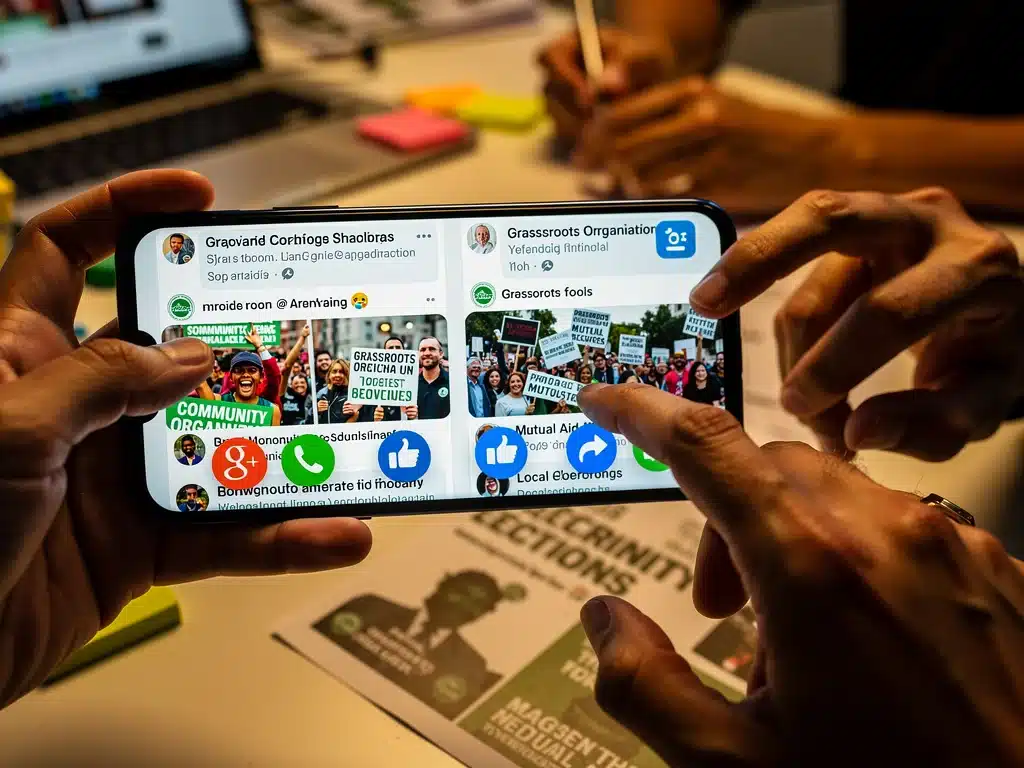
Despite its immense power, the reliance on social media for grassroots social justice organizing is fraught with significant challenges and risks. By 2026, these issues have become more pronounced, demanding sophisticated strategies for mitigation and resilience from activists.
Disinformation campaigns, online harassment, and algorithmic biases pose constant threats to the integrity and effectiveness of digital activism.
These challenges require movements to not only master the tools but also understand the intricate vulnerabilities inherent in the digital landscape, impacting social media social justice efforts.
The digital realm, while offering unparalleled reach, also presents a battleground where narratives are contested, and the safety of activists can be compromised. Navigating these complexities is crucial for the sustained success and security of grassroots movements in the digital age.
Combating Disinformation and Misinformation
The proliferation of disinformation and misinformation on social media platforms presents a formidable challenge to social justice movements.
Deliberate attempts to discredit activists, spread false narratives, or sow discord can undermine campaigns and erode public trust, directly affecting social media social justice.
Grassroots organizations must invest in robust fact-checking mechanisms and media literacy initiatives to counter these efforts effectively.
Developing strategies to quickly identify, debunk, and report false information is essential for maintaining narrative control and credibility in the digital public square.
Digital Surveillance and Cybersecurity Threats
Increased reliance on social media exposes activists to heightened risks of digital surveillance by state and non-state actors.
This surveillance can lead to real-world consequences, including harassment, arrest, or the suppression of protests, posing a direct threat to social media social justice initiatives.
Cybersecurity threats, such as hacking and doxing, further endanger activists and their networks. Movements must adopt stringent security protocols, utilize encrypted communication tools, and educate members on digital safety practices to protect their privacy and operations from malicious actors.
Algorithmic Biases and Platform Censorship
By 2026, the influence of platform algorithms on the visibility and reach of social justice content has become a critical concern.
These algorithms, designed to maximize engagement, can inadvertently or intentionally suppress certain narratives, particularly those challenging dominant power structures, thereby impacting social media social justice.
Activists frequently report instances of content moderation policies being inconsistently applied, leading to the arbitrary removal of posts or the suspension of accounts belonging to social justice advocates.
This form of platform censorship can severely hinder mobilization efforts and silence crucial voices, creating significant hurdles for social media social justice.
Understanding the intricacies of these algorithmic biases and navigating the opaque rules of content moderation are now essential skills for grassroots organizers.
Movements must develop strategies to circumvent these limitations, ensuring their messages reach their intended audiences despite platform-imposed restrictions.
The “Slacktivism” Debate and Engagement Depth
The concept of “slacktivism” – defined as low-effort online engagement that may not translate into tangible real-world impact – remains a persistent debate in the context of social media social justice.
While digital engagement can raise awareness, critics argue it sometimes substitutes for deeper, more meaningful forms of activism.
Grassroots organizations are increasingly focused on converting online interest into offline action, through calls for donations, volunteer sign-ups, or participation in physical protests.
The challenge lies in designing campaigns that not only go viral but also inspire sustained commitment and contribute to measurable change, elevating the impact of social media social justice beyond mere clicks.
Innovative Strategies for 2026 and Beyond
Looking ahead to 2026, grassroots social justice organizing will continue to innovate its use of social media, adapting to new technologies and evolving digital landscapes.
The focus will increasingly be on creating more secure, inclusive, and impactful online spaces that translate into meaningful offline change.
Movements are exploring decentralized social media alternatives, leveraging AI for campaign optimization, and developing sophisticated digital storytelling techniques.
These innovations aim to enhance resilience against censorship, combat disinformation more effectively, and deepen engagement with their audiences, solidifying the future of social media social justice.
The strategic integration of emerging technologies, combined with a renewed emphasis on digital literacy and ethical considerations, will define the next phase of digital activism.
This forward-thinking approach is critical for movements to maintain their relevance and effectiveness in a rapidly changing world, ensuring the continued evolution of social media social justice.
Leveraging Micro-Influencers and Niche Platforms
By 2026, grassroots movements are increasingly recognizing the power of micro-influencers and niche social media platforms to reach specific demographics and build highly engaged communities.
These smaller, more targeted platforms often foster deeper connections and more authentic interactions than larger, generalized networks, enhancing social media social justice efforts.
Engaging with micro-influencers who have genuine connections to a cause can lead to more impactful advocacy, as their endorsements are perceived as more trustworthy.
This strategy allows movements to penetrate specific communities more effectively, cultivating dedicated supporters and volunteers, thereby strengthening the impact of social media social justice.
Data-Driven Campaign Optimization
The strategic use of data analytics is becoming paramount for optimizing social media campaigns in grassroots social justice organizing.
By analyzing engagement metrics, demographic data, and sentiment analysis, movements can tailor their messages for maximum impact and reach, refining social media social justice tactics.
This data-driven approach allows organizations to identify the most effective content types, posting times, and target audiences, leading to more efficient resource allocation and greater campaign success.
Understanding audience behavior through data helps movements make informed decisions, ensuring their digital efforts are as effective as possible, a key aspect of social media social justice.
Ethical Considerations in Digital Activism
As social media platforms become more entwined with grassroots social justice organizing, ethical considerations surrounding data privacy, consent, and representation come to the forefront. By 2026, movements are increasingly grappling with the moral implications of their digital practices.
The collection and use of user data, the potential for digital campaigns to inadvertently expose vulnerable individuals, and the responsibility to accurately represent diverse voices are all areas requiring careful navigation.
Ethical frameworks are being developed to guide digital activism, ensuring that technology serves justice without compromising fundamental rights, thereby shaping social media social justice.
These ethical dilemmas necessitate a continuous dialogue within movements about best practices and accountability in the digital space.
Prioritizing the well-being and autonomy of individuals involved in or affected by digital campaigns is crucial for maintaining trust and legitimacy, a cornerstone of effective social media social justice.
Ensuring Accessibility and Inclusivity
A significant ethical imperative for grassroots social justice organizing on social media is ensuring digital accessibility and inclusivity.
Movements must actively work to bridge the digital divide, ensuring that their online efforts do not inadvertently exclude individuals based on socioeconomic status, disability, or language barriers.
This involves creating content that is accessible to people with disabilities, offering multilingual options, and considering the costs associated with internet access.
Prioritizing inclusivity in digital design and outreach guarantees that social media social justice movements are truly representative and accessible to all who wish to participate.
Protecting Activist Well-being and Mental Health
The relentless nature of digital activism, coupled with exposure to online harassment and trauma, can take a significant toll on the mental health and well-being of activists.
Movements are increasingly recognizing the ethical responsibility to support their members in navigating these challenges.
This includes promoting digital detoxes, offering resources for mental health support, and fostering supportive online communities where activists can share their experiences.
Prioritizing the well-being of individuals involved in social media social justice is crucial for sustained engagement and preventing burnout within the movement.
| Key Aspect | Brief Description |
|---|---|
| Digital Mobilization | Social media enables rapid assembly and coordination of grassroots efforts. |
| Voice Amplification | Platforms empower marginalized voices, fostering global solidarity. |
| Persistent Challenges | Disinformation, surveillance, and censorship continue to impact activism. |
| Future Strategies | Innovation in data use, niche platforms, and ethical practices are key for social media social justice. |
Frequently Asked Questions About Social Media’s Impact on Social Justice
By 2026, social media has transformed grassroots organizing by enabling instantaneous mobilization, global reach, and direct communication. It allows movements to bypass traditional gatekeepers, fostering rapid information dissemination and community building, which are crucial for the effectiveness of social media social justice movements.
The primary risks include disinformation campaigns, digital surveillance, and platform censorship, which can undermine credibility and endanger activists. Algorithmic biases also pose challenges to content visibility, making it harder for social media social justice messages to reach wide audiences.
Movements combat disinformation through robust fact-checking, media literacy initiatives, and rapid reporting of false content. They also focus on building trusted online communities and promoting authentic voices to counter narratives that seek to discredit their social media social justice efforts.
Micro-influencers are crucial for reaching specific demographics and fostering deeper engagement. Their authentic connections within niche communities lead to more trustworthy endorsements and effective targeted advocacy, significantly boosting the impact of social media social justice campaigns.
Key ethical considerations include data privacy, informed consent, and ensuring digital accessibility and inclusivity. Movements prioritize protecting activist well-being and mental health, ensuring that their online strategies align with their core values of justice and equity, which are vital for social media social justice.
Looking Ahead: The Enduring Influence of Digital Platforms
The analysis of the impact of Social Media on Grassroots Social Justice Organizing reveals a complex but undeniably transformative landscape.
Digital platforms will continue to be indispensable tools for mobilization and advocacy, yet their effective use demands constant adaptation and critical engagement.
Future success hinges on movements’ ability to navigate algorithmic complexities, combat sophisticated disinformation, and prioritize the ethical implications of their digital strategies.
The ongoing evolution of social media social justice will require resilience, innovation, and a steadfast commitment to both digital literacy and community well-being.
Monitoring technological advancements and policy changes on these platforms will be crucial, as will fostering international collaboration.
The enduring influence of social media on grassroots social justice organizing underscores its role as a permanent fixture in the global struggle for equity and human rights, shaping the future of social media social justice for years to come.