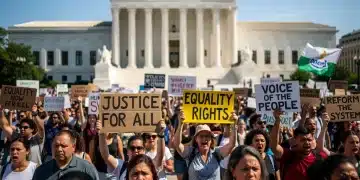
The 2026 Landscape of Voting Rights in the US: 3 Key Challenges and Practical Solutions for Advocates
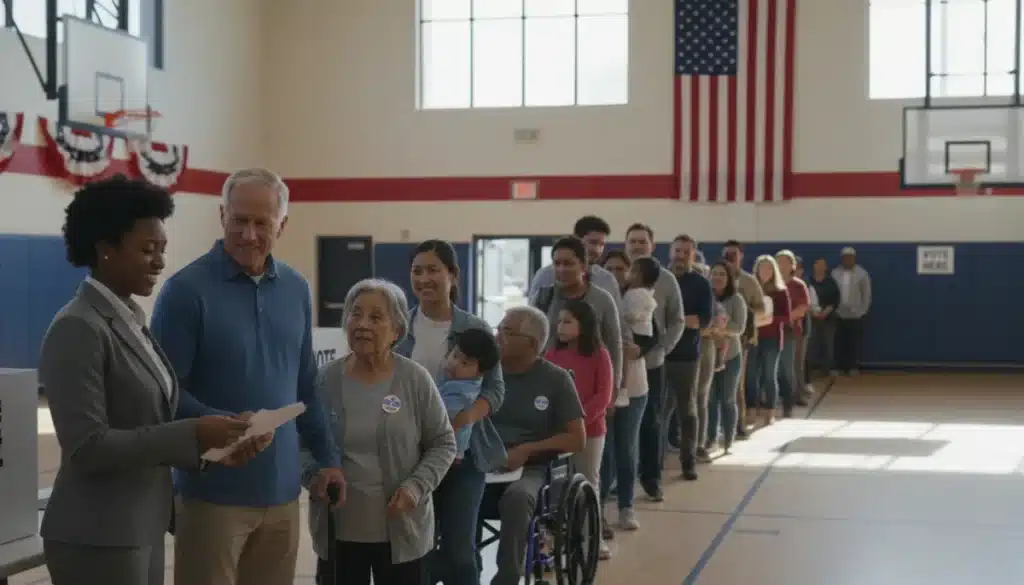
The cornerstone of American democracy is facing a pivotal test as we head into a major election year. In 2026, the battle over Voting Rights has evolved into a high-stakes clash between new legislative restrictions and modernized access.
For everyday citizens and advocates alike, the rules of engagement for reaching the ballot box are shifting faster than ever.
Three critical hurdles currently dominate the national landscape, ranging from cutting-edge technological barriers to systemic access issues.
Yet, for every roadblock emerging from state capitols, grassroots coalitions are deploying innovative, scalable strategies to safeguard the franchise. This isn’t just about policy; it’s about who gets a say in the future of the country.
This report cuts through the political noise to deliver a clear, factual breakdown of today’s electoral challenges and actionable remedies.
By understanding these interconnected dynamics, you will be equipped to track what lies ahead and protect democratic participation in your community.
Navigating Restrictive Voter ID Laws and Their Impact
Restrictive voter ID laws continue to be a significant hurdle for many eligible voters, particularly those in marginalized communities.
These laws often require specific forms of identification that can be difficult or costly for some individuals to obtain, thereby disenfranchising a segment of the electorate.
The debate around these laws centers on balancing election security with voter accessibility, a contentious issue that frequently sees partisan divisions.
Advocates argue that the purported need for these stringent IDs is often overstated, while the impact on democratic participation is undeniable and disproportionately affects certain demographics.
For the voting rights 2026 US landscape, the ongoing legal challenges and legislative pushes surrounding voter ID will be a defining feature.
The outcomes of these battles will directly influence who can cast a ballot and how easily they can do so, making it a critical area for observation and intervention.
The Disproportionate Burden on Marginalized Communities
Voter ID laws often place an undue burden on low-income individuals, students, the elderly, and minority groups who may lack the necessary documentation.
Obtaining required IDs can involve significant costs, travel, and access to specific government offices, presenting formidable obstacles.
These barriers effectively create a two-tiered system where some citizens face greater hurdles to exercise their fundamental right to vote than others.
The cumulative effect of these restrictions can lead to a noticeable reduction in voter turnout among affected populations, thereby skewing electoral outcomes and undermining representative democracy.
Practical Solutions: Voter Education and Assistance Programs
To counteract the impact of restrictive voter ID laws, advocates are implementing robust voter education campaigns. These initiatives aim to inform citizens about specific ID requirements in their states and provide clear guidance on how to obtain compliant identification.
Furthermore, voter assistance programs play a crucial role by offering direct support to individuals needing help acquiring IDs, including transportation to relevant offices and financial aid for associated fees.
These programs are essential in ensuring that eligible voters are not turned away at the polls due to lack of proper documentation, reinforcing the principle of universal suffrage.
Combating Partisan Gerrymandering and its Erosion of Representation
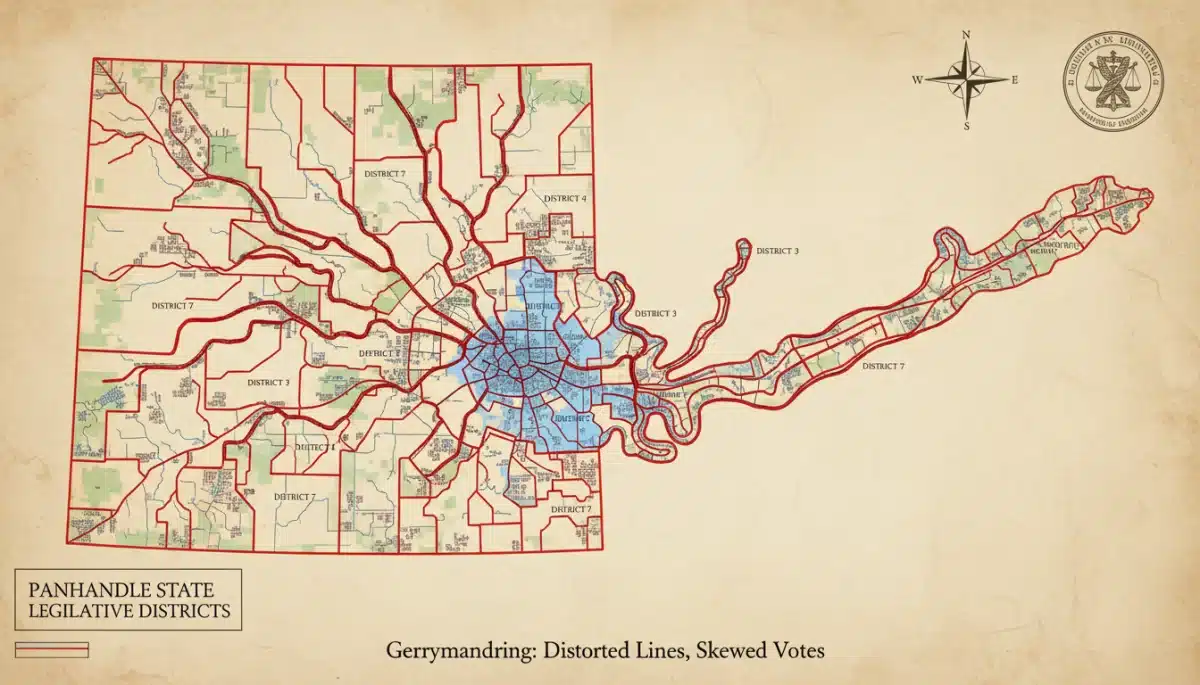
Partisan gerrymandering remains a pervasive threat to fair representation, allowing political parties to manipulate electoral district boundaries for their advantage.
This practice distorts the democratic process, enabling politicians to choose their voters rather than the other way around, leading to less competitive elections and diminished accountability.
The voting rights 2026 US context will see renewed efforts to challenge gerrymandered maps, especially following the 2020 census and subsequent redistricting cycles.
Legal battles and citizen-led initiatives are vital tools in pushing back against these politically motivated distortions of electoral geography.
The impact of gerrymandering extends beyond election results, affecting legislative priorities and the responsiveness of elected officials to their constituents’ true needs.
Addressing this challenge is fundamental to restoring balance and fairness to the American political system, ensuring that every vote genuinely counts.
The Mechanics of Manipulating Electoral Maps
Gerrymandering involves drawing district lines in convoluted ways to pack opposing voters into a few districts or spread them thinly across many.
This strategic manipulation ensures a predetermined outcome in numerous elections, regardless of the overall popular vote.
This practice entrenches incumbents and makes it exceedingly difficult for challengers to compete effectively, leading to a lack of genuine choice for voters.
The resulting legislative bodies often become less representative of the diverse populations they serve, fostering political polarization and gridlock.
Advocacy for Independent Redistricting Commissions
A primary solution proposed by advocates is the establishment of independent redistricting commissions. These commissions, composed of non-partisan experts and citizens, are tasked with drawing electoral maps based on objective criteria rather than political gain.
- Promotes fair and competitive elections.
- Reduces partisan influence in district drawing.
- Increases voter confidence in electoral integrity.
- Leads to more representative legislative bodies.
By removing the power of redistricting from partisan legislators, these commissions aim to create districts that genuinely reflect the demographic and political landscape of a state. This shift is crucial for fostering more equitable representation and strengthening the democratic process.
Countering Digital Disinformation and Election Interference
The proliferation of digital disinformation poses a significant threat to the integrity of elections, particularly in the run-up to 2026.
Malicious actors leverage social media and other online platforms to spread false narratives, suppress voter turnout, and undermine public trust in the electoral system.
For the voting rights 2026 US environment, the challenge of digital disinformation is multifaceted, involving foreign interference, domestic propaganda, and the rapid spread of conspiracy theories.
These tactics aim to confuse voters, deter participation, and sow discord within the electorate, making it harder for citizens to make informed decisions.
Addressing this issue requires a coordinated effort from technology companies, government agencies, media organizations, and civil society groups.
The fight against disinformation is not just about debunking lies but also about building resilience within the public to resist manipulation and seek credible sources of information, which is central to safeguarding democratic principles.
The Virality and Impact of False Narratives
False narratives can spread rapidly across digital platforms, often reaching millions before they can be effectively debunked. These narratives frequently target specific demographics or communities, exploiting existing biases and anxieties to maximize their impact.
The insidious nature of disinformation lies in its ability to erode trust in legitimate news sources, electoral processes, and democratic institutions themselves.
This erosion of trust can have long-lasting consequences, making it harder for society to address critical issues and make collective decisions based on shared facts.
Strategies for Digital Literacy and Platform Accountability
To combat digital disinformation, advocates are championing comprehensive digital literacy programs aimed at equipping citizens with the skills to critically evaluate online content.
These programs teach individuals how to identify misinformation, verify sources, and understand the tactics used to spread false narratives.
- Educate voters on identifying fake news.
- Promote critical thinking about online content.
- Advocate for greater transparency from social media platforms.
- Support independent fact-checking organizations.
Simultaneously, there is a growing demand for greater accountability from social media platforms to moderate harmful content and implement robust policies against election interference.
Holding these platforms responsible for the content they host is a crucial step in mitigating the spread of disinformation and protecting the integrity of the voting rights 2026 US landscape.
Ensuring Equitable Access to Polling Places and Voting Methods
Equitable access to polling places and diverse voting methods is a cornerstone of a healthy democracy.
However, many communities, particularly those in rural or underserved urban areas, face challenges such as insufficient polling locations, long lines, and limited options for casting ballots, which can suppress voter participation.
The voting rights 2026 US discussion must center on ensuring that every eligible citizen has convenient and secure ways to vote, whether in person, by mail, or through early voting options.
These considerations are vital for maximizing turnout and ensuring that logistical barriers do not disenfranchise voters.
Advocates are pushing for policies that expand voting access, such as increased early voting periods, no-excuse absentee voting, and the provision of adequate resources for polling places.
These measures are designed to accommodate diverse voter needs and reduce the friction associated with election day voting, making the process more inclusive for all citizens.
Challenges in Rural and Underserved Urban Areas
In many rural areas, vast distances between polling places and limited public transportation can make it difficult for residents to cast their ballots.
Similarly, overcrowded polling sites in dense urban areas can lead to excessively long wait times, discouraging participation, especially for those with work or family obligations.
These logistical issues are often exacerbated by underfunding of election administration, leading to fewer staff, outdated equipment, and insufficient resources to manage the voting process efficiently.
The result is a system that inadvertently creates barriers for segments of the population, undermining the principle of equal access to the ballot box.
Expanding Early Voting and Mail-in Ballot Options
To address these access challenges, expanding early voting periods offers voters more flexibility to cast their ballots before election day, reducing congestion and wait times.
No-excuse absentee voting provides another convenient option, allowing individuals to vote from home and return their ballots by mail or drop-off.
These alternative voting methods are particularly beneficial for individuals with disabilities, those working multiple jobs, or students who may be away from their registered polling places.
Advocating for the universal adoption and proper resourcing of these options is a key strategy for enhancing voter participation and ensuring accessibility for all eligible citizens.
Protecting Election Workers and Infrastructure from Threats
The safety and security of election workers and the integrity of election infrastructure are increasingly under threat, creating a hostile environment that can deter individuals from participating in the democratic process.
Election workers, who are the backbone of our electoral system, face harassment, intimidation, and even physical threats, which is a severe concern for the voting rights 2026 US landscape.
These threats extend to the physical and digital infrastructure of elections, including voting machines, voter registration databases, and the entire chain of custody for ballots.
Protecting these elements from cyberattacks, tampering, and malicious interference is paramount to maintaining public confidence in election outcomes.
Advocacy efforts are crucial in pushing for stronger legal protections for election officials, increased funding for election security, and robust public education campaigns to counter false claims of widespread fraud.
Ensuring a safe and secure environment for both voters and those who administer elections is fundamental to preserving democratic norms and functions.
Rising Threats to Election Officials and Volunteers
Election officials and volunteers across the country have reported an alarming increase in threats and harassment, particularly since recent contentious election cycles.
These individuals, who are often dedicated public servants, have been subjected to doxing, intimidation, and violent rhetoric, simply for performing their civic duties.
This hostile environment not only endangers the individuals involved but also creates a chilling effect, deterring potential volunteers from stepping forward to administer elections.
Without a sufficient number of trained and willing election workers, the logistical challenges of running smooth and accessible elections become even more formidable, impacting the overall integrity of the vote.
Strengthening Election Security and Legal Protections
To counter these threats, strengthening election security measures is paramount. This includes upgrading voting equipment, implementing rigorous cybersecurity protocols for voter databases, and conducting regular audits to ensure the accuracy and reliability of election results.
Funding for these initiatives is critical to safeguarding the electoral process.
Furthermore, advocates are pushing for enhanced legal protections for election workers, including stricter penalties for harassment and intimidation.
Creating a legal framework that shields these essential personnel from malicious attacks is vital for ensuring that they can perform their duties without fear, thereby preserving the backbone of our democratic system and the integrity of voting rights 2026 US.
Advocating for Automatic Voter Registration and Restoration of Rights
Automatic voter registration (AVR) and the restoration of voting rights for formerly incarcerated individuals are key policy solutions gaining traction among advocates.
AVR streamlines the registration process by automatically enrolling eligible citizens when they interact with government agencies, significantly increasing voter rolls and reducing administrative burdens.
The restoration of voting rights ensures that individuals who have completed their sentences can fully reintegrate into society, including exercising their fundamental right to vote.
These measures are crucial for expanding democratic participation and addressing historical disenfranchisement, shaping the future of voting rights 2026 US.
Both AVR and rights restoration are seen as vital steps toward a more inclusive and equitable democracy.
They remove unnecessary barriers, simplify the voting process, and uphold the principle that the right to vote should be as accessible as possible for all eligible citizens, reinforcing the foundational tenets of American democracy.
Simplifying Voter Registration with AVR
Automatic voter registration (AVR) transforms the registration process from an opt-in system to an opt-out one, making it easier for eligible citizens to participate.
When individuals interact with state agencies like the DMV, their information is automatically used to register them to vote unless they decline.
This approach has been shown to increase voter registration rates significantly, particularly among younger voters and those who might otherwise face logistical challenges in registering.
AVR reduces errors, streamlines administration, and ensures that more eligible citizens are on the voter rolls, ready to cast their ballots.
Restoring Voting Rights for Formerly Incarcerated Individuals
The movement to restore voting rights for formerly incarcerated individuals addresses a historical injustice that disproportionately affects communities of color.
In many states, a felony conviction can lead to lifelong disenfranchisement, even after an individual has completed their sentence and repaid their debt to society.
Advocates argue that restoring these rights is essential for civic reintegration and aligns with the principles of justice and rehabilitation.
Policies that automatically restore voting rights upon release or completion of parole ensure that these citizens can fully participate in their communities and have a voice in shaping the laws that affect their lives.
The Role of Litigation and Legislative Advocacy in 2026
Litigation and legislative advocacy will continue to be critical tools for protecting and expanding voting rights in the lead-up to 2026.
Legal challenges to restrictive voting laws and gerrymandered maps serve as a crucial check on legislative overreach, ensuring that state and federal laws comply with constitutional principles.
Simultaneously, legislative advocacy involves working directly with lawmakers to introduce and pass bills that expand voter access, protect election integrity, and reform campaign finance.
These dual strategies are essential for navigating the complex legal and political landscape surrounding voting rights 2026 US, driving both defensive and offensive efforts to safeguard democracy.
The interplay between court decisions and legislative action often shapes the boundaries of what is permissible in election administration.
Advocates must remain agile, adapting their strategies to respond to evolving legal precedents and political realities, ensuring that the fight for voting rights remains robust and effective.
Key Legal Battles and Their Precedent-Setting Impact
Major legal battles over voter ID laws, redistricting, and ballot access often set precedents that influence voting rights across multiple states.
Court rulings can either uphold or strike down restrictive measures, dramatically altering the electoral landscape for millions of voters.
These cases are meticulously prepared by legal teams who present evidence of discriminatory impact and constitutional violations.
The outcomes of these lawsuits not only determine the legality of specific policies but also send clear signals to other jurisdictions about the limits of voter restriction, shaping future legislative actions.
Grassroots Organizing and Coalition Building
Effective legislative advocacy relies heavily on grassroots organizing and coalition building.
By mobilizing voters, activists, and community leaders, advocates can exert public pressure on elected officials to support pro-voter legislation and oppose measures that restrict access to the ballot box.
Forming broad coalitions with diverse organizations amplifies advocacy efforts, bringing together different perspectives and resources to achieve common goals.
This collective power is essential for influencing policy debates, driving public awareness, and ultimately securing legislative victories that strengthen voting rights 2026 US for all citizens.
| Key Challenge | Practical Solution |
|---|---|
| Restrictive Voter ID Laws | Implement voter education and assistance programs. |
| Partisan Gerrymandering | Advocate for independent redistricting commissions. |
| Digital Disinformation | Promote digital literacy and platform accountability. |
| Inequitable Access to Voting | Expand early voting and mail-in ballot options. |
Frequently Asked Questions About Voting Rights in the US
The primary concern for voting rights in the US in 2026 revolves around the ongoing efforts to restrict ballot access through various legislative means. These include stringent voter ID laws, partisan gerrymandering, and the pervasive spread of digital disinformation, all of which threaten fair and equitable elections.
Gerrymandering significantly distorts election outcomes by drawing electoral district boundaries to favor one political party over another. This practice can lead to uncompetitive elections, reduce voter choice, and create legislative bodies that do not accurately reflect the political will of the state’s population, undermining democratic principles.
Digital disinformation plays a critical role in voter suppression by spreading false narratives designed to confuse, deter, or mislead voters about election processes, candidates, or their eligibility. This can lead to reduced voter turnout and erode public trust in election integrity, making it harder for citizens to make informed decisions.
Practical solutions for advocates addressing restrictive voter ID laws include implementing robust voter education campaigns to inform citizens of requirements and providing direct assistance programs. These programs help individuals obtain necessary identification, offering transportation and financial aid to overcome barriers to voting.
Automatic voter registration is crucial for 2026 because it simplifies the voter registration process, significantly increasing voter rolls and ensuring more eligible citizens are registered. By automatically enrolling individuals during government interactions, it reduces administrative burdens and expands democratic participation, particularly among underrepresented groups.
Looking Ahead
The evolving landscape of voting rights 2026 US demands continuous vigilance and strategic action from advocates, policymakers, and citizens alike.
The challenges of restrictive voter ID laws, partisan gerrymandering, and digital disinformation are deeply entrenched, requiring sustained efforts to protect and expand democratic participation.
What happens now hinges on the ability of various stakeholders to collaborate, innovate, and adapt to new threats while leveraging legal and legislative pathways to secure fair elections.
The integrity of the American democratic process depends on these concerted actions, ensuring that every eligible voice can be heard.
Moving forward, it will be critical to monitor legislative developments, judicial rulings, and the effectiveness of grassroots campaigns.
The outcomes of these efforts will not only define the 2026 electoral cycle but also shape the long-term health and inclusivity of US democracy for generations to come.