Optimizing Corporate Ethics Hotline Investigations: 14-Day Resolution
Advertisements
Delayed responses to corporate whistleblowing reports can paralyze organizations and severely compromise regulatory compliance. Streamlining modern Ethics Hotline Investigations to resolve serious misconduct allegations within 14 business days creates a decisive operational advantage while protecting institutional reputation.
Accelerating internal inquiries requires replacing fragmented reporting channels with automated triage workflows, clear evidentiary protocols, and dedicated compliance teams. Resolving corporate grievance reports swiftly minimizes legal liability, deters systemic workplace wrongdoing, and signals true accountability to internal and external stakeholders.
Shrinking investigation timelines without compromising thoroughness is now a governance imperative for risk management leaders. Here is how compliance officers can optimize investigative workflows to achieve reliable 14-day case resolution.
The Imperative for Rapid Ethics Hotline Investigations
In today’s corporate landscape, the speed and efficacy of ethics hotline investigations are paramount. Delays can erode trust, exacerbate misconduct, and lead to significant legal and financial repercussions for organizations.
Establishing clear, rapid protocols for handling serious misconduct reports is no longer optional; it is a critical component of robust corporate governance. The goal is to resolve these complex issues within a stringent 14-business-day timeframe.
This commitment to swift resolution underscores a company's dedication to ethical integrity and accountability. It also sends a strong message to employees that their concerns are taken seriously and acted upon promptly.
Key Components of an Accelerated Investigation Framework
Achieving a 14-day resolution for serious misconduct reports requires a meticulously designed and rigorously executed investigation framework. This framework must integrate technology, skilled personnel, and clear procedural guidelines to ensure efficiency.
The process begins with immediate triage upon report receipt, classifying the severity and nature of the complaint to prioritize resources effectively. Without this initial rapid assessment, valuable time is lost, delaying the entire investigation.
Moreover, the framework must emphasize continuous communication with relevant stakeholders while maintaining confidentiality, ensuring transparency without compromising the integrity of the investigation.
Initial Triage and Immediate Action Protocols
Upon receiving a report, the first critical step is an immediate and thorough triage process. This involves quickly assessing the report's credibility and seriousness to determine the appropriate response team and initial actions.
A dedicated rapid-response team, trained specifically for urgent cases, should be activated within hours of a serious report. Their mandate is to secure evidence, interview initial witnesses, and establish the scope of the investigation without delay.
Establish clear criteria for 'serious misconduct' classification.
Designate a specialized rapid-response investigation team.
Implement a 24/7 intake and initial assessment process.
Utilize secure digital platforms for immediate report access and sharing.
Resource Allocation and Expert Deployment
Efficiently allocating resources is fundamental to Optimizing Corporate Ethics Hotline Investigations. This includes deploying the right investigators with the necessary expertise, whether legal, forensic, or HR-specific.
Companies must maintain a roster of pre-approved external experts for specialized investigations, such as digital forensics or financial fraud. This proactive measure prevents delays in onboarding external resources when critical cases arise.
Furthermore, internal investigators need continuous training on best practices, legal updates, and advanced investigative techniques to handle complex cases with speed and precision.
Leveraging Technology for Expedited Investigations
Modern technology plays an indispensable role in accelerating ethics hotline investigations. Digital tools can streamline evidence collection, analysis, and case management, significantly reducing the time spent on administrative tasks.
Integrated case management systems provide a centralized platform for all investigation-related data, from initial reports to interview transcripts and evidence logs. This ensures all team members have access to up-to-date information, fostering collaboration.
Predictive analytics and AI-powered tools can also help identify patterns of misconduct or high-risk areas, allowing companies to proactively address potential issues before they escalate into serious reports requiring lengthy investigations.
Implementing Advanced Case Management Systems
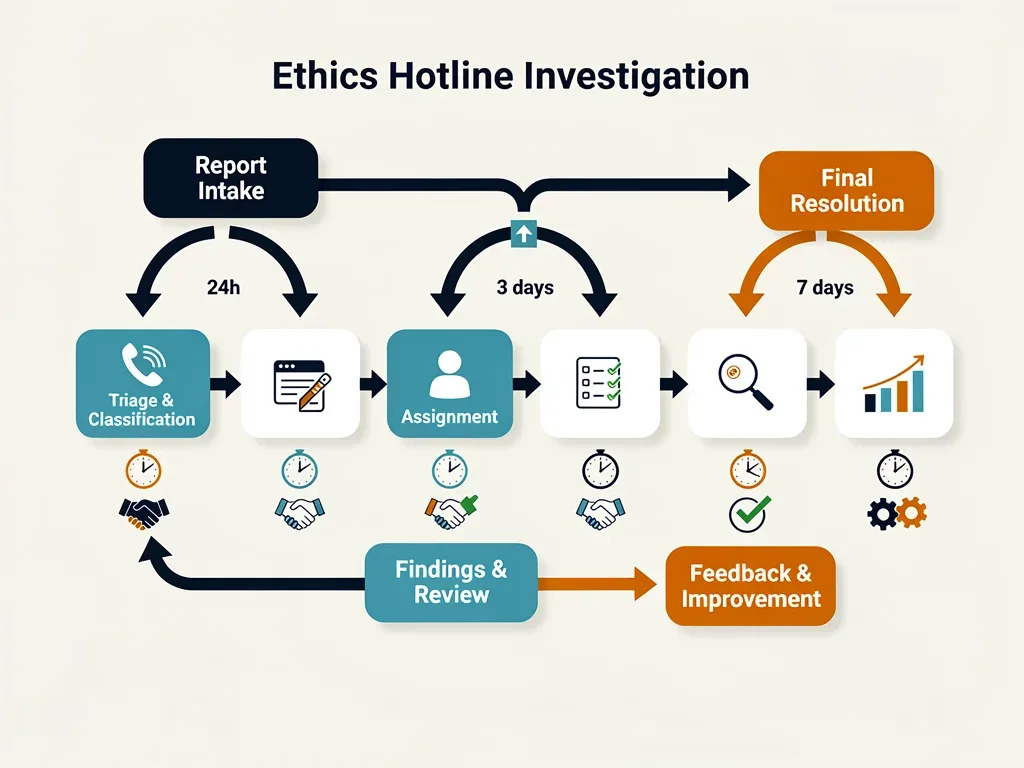
Advanced case management systems are the backbone of efficient ethics hotline investigations. These platforms automate routine tasks, provide structured workflows, and ensure comprehensive documentation of every step.
Such systems offer features like automated task assignments, deadline reminders, and secure communication channels, ensuring investigators remain on track and critical information is never overlooked. They are crucial for Optimizing Corporate Ethics Hotline Investigations.
Centralized database for all ethics reports and investigation data.
Automated workflow and task assignment features.
Secure communication and document sharing capabilities.
Real-time reporting and analytics for oversight.
Data Analytics and Digital Forensics Integration
Integrating data analytics and digital forensics capabilities into the investigation process is essential for rapid resolution. These tools can quickly sift through vast amounts of data, identifying key evidence that might otherwise take weeks to uncover manually.
Digital forensics experts can recover crucial information from electronic devices, cloud storage, and corporate networks, providing undeniable evidence to support or refute allegations. This speeds up the evidence-gathering phase significantly.
Moreover, data analytics can help identify trends, pinpoint potential systemic issues, and even predict future misconduct, moving beyond reactive investigations to a more proactive compliance strategy.
Standardizing Interview Protocols and Evidence Collection
Standardization is key to efficiency in any investigative process, especially when aiming for a 14-day resolution. Clear, consistent interview protocols and rigorous evidence collection methods ensure fairness, accuracy, and speed.
Investigators must be trained in best practices for conducting interviews, including active listening, non-leading questions, and proper documentation. This minimizes the need for follow-up interviews and accelerates the information-gathering process.
Moreover, establishing clear guidelines for the types of evidence to collect, how it should be preserved, and its chain of custody prevents challenges to its admissibility and validity later in the process.
Consistent Interview Techniques for Speed and Accuracy
Implementing consistent interview techniques across all investigations ensures that information is gathered efficiently and reliably. Training investigators in structured interviewing methods reduces variability and enhances the quality of collected statements.
These techniques include preparing detailed interview plans, focusing on factual questions, and documenting responses meticulously. This precision minimizes the need for repeat interviews and accelerates the investigative timeline.
Furthermore, ensuring a neutral and respectful environment during interviews encourages candid responses, which is vital for quickly uncovering the truth and achieving the objective of Optimizing Corporate Ethics Hotline Investigations.
Robust Evidence Preservation and Chain of Custody
The integrity of evidence is paramount in any investigation, and stringent protocols for preservation and chain of custody are non-negotiable. Any lapse can compromise the entire case and prolong resolution.
Companies must implement secure digital and physical storage solutions for all evidence, ensuring it is tamper-proof and accessible only to authorized personnel. Proper documentation of who accessed what and when is also critical.
Training all personnel involved in investigations on these strict protocols guarantees that evidence is handled correctly from collection to analysis, safeguarding its admissibility and reliability.
Ensuring Fairness and Objectivity Throughout the Process
While speed is crucial for Optimizing Corporate Ethics Hotline Investigations, it must never come at the expense of fairness and objectivity. A rapid investigation that lacks impartiality can lead to wrongful accusations and severe reputational damage.
Investigators must adhere to strict ethical guidelines, avoiding bias and ensuring all parties involved are treated with respect and given an opportunity to present their perspectives. This builds trust in the process.
Implementing a system of checks and balances, such as independent review panels or legal counsel oversight, can further reinforce objectivity and ensure that conclusions are based solely on factual evidence.
Mitigating Bias and Upholding Impartiality
Addressing potential biases is a continuous effort within ethics investigations. Training programs specifically designed to identify and mitigate unconscious biases are essential for all investigators and decision-makers.
Establishing diverse investigation teams can also introduce multiple perspectives, reducing the likelihood of a single viewpoint dominating the inquiry. This diversity enhances the thoroughness and fairness of the process.
Furthermore, clear policies on conflicts of interest for investigators ensure that personal relationships or prior experiences do not unduly influence the direction or outcome of an investigation.
Confidentiality and Whistleblower Protection
Maintaining strict confidentiality is fundamental to encouraging employees to report misconduct and ensuring their safety. Whistleblowers must feel secure that their identities and concerns will be protected.
Companies must implement robust technical and procedural safeguards to protect the anonymity of reporters. This includes secure communication channels and strict access controls for sensitive information, fostering an environment of trust.
Clear policies outlining anti-retaliation measures and their enforcement are also crucial. Employees need to know that reporting misconduct will not negatively impact their careers or personal well-being.
Effective Communication and Stakeholder Engagement
Transparent and timely communication is vital throughout the investigation process, both internally and externally. This includes informing the reporter (where appropriate), the accused, and other relevant stakeholders while respecting confidentiality and legal boundaries.
Establishing a clear communication plan at the outset of each investigation ensures that information flows efficiently and appropriately. This plan should define who communicates what, when, and to whom, preventing misinformation.
Regular updates, even if they only state that the investigation is ongoing, can help manage expectations and demonstrate progress, which is crucial for maintaining confidence in the ethics hotline investigations process.
Timely Updates for All Concerned Parties
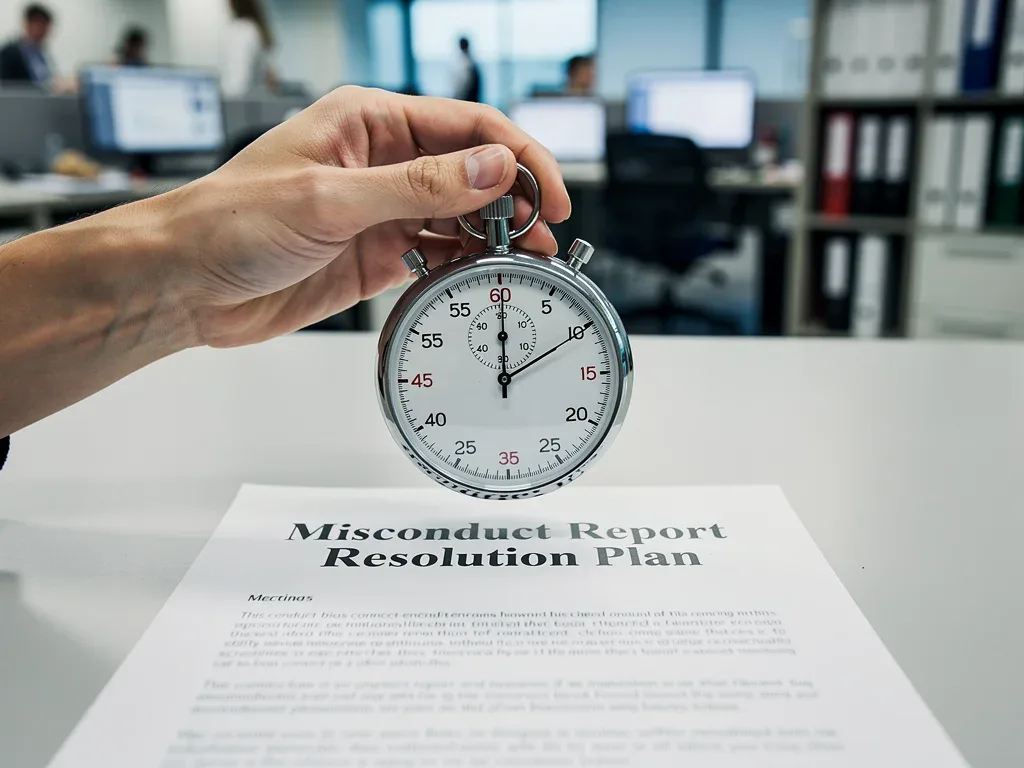
Providing timely updates to all relevant parties, while respecting confidentiality and legal constraints, is crucial for maintaining trust and managing expectations. This ensures transparency without compromising the investigation's integrity.
For the reporter, providing an acknowledgment of their report and periodic status updates, even if general, reinforces that their concern is being addressed. This encourages future reporting and strengthens the ethics program.
For the accused, clear communication about the allegations and their rights throughout the process is essential for fairness. This approach is fundamental to Optimizing Corporate Ethics Hotline Investigations.
Post-Investigation Follow-Up and Remediation
The resolution of an investigation does not mark the end of the process; robust post-investigation follow-up and remediation are critical. This includes implementing corrective actions, disciplinary measures, and process improvements.
Companies must track the effectiveness of these remediation efforts to ensure that the root causes of misconduct are addressed and prevented from recurring. This demonstrates a commitment to continuous improvement.
Furthermore, communicating the outcomes (anonymously, if necessary) reinforces the company's ethical values and shows that the ethics hotline investigations lead to tangible results, fostering a culture of accountability.
Continuous Improvement and Training for Investigators
The landscape of corporate misconduct is constantly evolving, requiring continuous improvement and ongoing training for ethics investigators. Stagnation in investigative techniques or understanding of new risks can undermine the effectiveness of a hotline program.
Regular training programs should cover emerging forms of misconduct, changes in relevant laws and regulations, and advanced investigative methodologies. This ensures investigators remain at the forefront of their field.
Furthermore, conducting post-mortem reviews of completed investigations, especially those that were particularly complex or challenging, provides valuable learning opportunities and helps refine future processes.
Ongoing Professional Development for Ethics Teams
Investing in ongoing professional development for ethics teams is indispensable for maintaining high standards in investigations. This includes certifications, workshops, and access to industry best practices.
Keeping investigators abreast of new technologies, such as advanced data analytics tools and AI applications, enhances their capability to conduct thorough and rapid inquiries. This is a core aspect of Optimizing Corporate Ethics Hotline Investigations.
Moreover, fostering a culture of continuous learning encourages investigators to share knowledge and develop innovative approaches to complex cases, significantly improving overall team performance.
Performance Metrics and Feedback Loops
Implementing robust performance metrics and establishing clear feedback loops are essential for continuously improving the ethics hotline investigation process. These tools provide objective data on efficiency and effectiveness.
Metrics such as average investigation time, resolution rates, and reporter satisfaction can highlight areas needing improvement. Regular reviews of these metrics allow for data-driven adjustments to protocols and resource allocation.
Establishing feedback loops, where investigators can share insights and challenges, fosters an environment of continuous learning and adaptation, ensuring the investigation framework remains agile and responsive to evolving needs.
The Long-Term Benefits of a 14-Day Resolution Commitment
Committing to resolving serious misconduct reports within 14 business days yields significant long-term benefits beyond immediate issue resolution. It fundamentally transforms an organization's ethical culture and risk profile.
Such a commitment enhances employee trust, demonstrating that the company takes ethical lapses seriously and acts decisively. This encourages more reporting, providing earlier detection of potential problems.
Ultimately, a reputation for swift and fair ethics hotline investigations strengthens the company's brand, reduces legal exposure, and fosters a more compliant and ethical work environment, driving sustainable growth.
Strengthening Corporate Culture and Reputation
A commitment to rapid ethics hotline investigations significantly strengthens corporate culture by demonstrating an unwavering dedication to integrity. This fosters an environment where ethical conduct is not just expected but actively enforced.
When employees see that serious misconduct is addressed promptly and effectively, their trust in leadership and the company's values increases. This positive perception extends to external stakeholders, enhancing the corporate reputation.
A strong ethical reputation attracts top talent, builds investor confidence, and can even provide a competitive advantage in the marketplace, underscoring the value of Optimizing Corporate Ethics Hotline Investigations.
Reducing Legal and Financial Risks
Prompt resolution of misconduct reports directly translates into a substantial reduction in legal and financial risks for the organization. Delays can escalate issues, leading to higher legal costs, fines, and potential lawsuits.
Early intervention and rapid resolution can prevent minor issues from spiraling into major crises, minimizing financial exposure and avoiding costly regulatory penalties. This proactive approach is critical for risk management.
Furthermore, a well-documented history of effective ethics hotline investigations can serve as a mitigating factor in legal proceedings, demonstrating due diligence and a commitment to compliance.
Key Point | Brief Description |
|---|---|
Rapid Triage | Immediate assessment and classification of misconduct reports for swift action. |
Tech Integration | Utilizing advanced case management and digital forensics for efficiency. |
Fairness & Objectivity | Ensuring impartial investigations, whistleblower protection, and bias mitigation. |
Continuous Improvement | Ongoing training, performance metrics, and feedback loops for process enhancement. |
Frequently Asked Questions about Ethics Hotline Investigations
Why is a 14-business-day resolution target important?▼
A 14-business-day target for resolving serious misconduct reports minimizes potential harm, preserves evidence, and reinforces employee trust in the ethics program. It demonstrates a strong commitment to ethical governance and accountability, reducing legal and reputational risks significantly.
What role does technology play in accelerating investigations?▼
Technology, including advanced case management systems and digital forensics, streamlines evidence collection, analysis, and communication. It automates workflows, ensures data security, and provides real-time insights, all critical for Optimizing Corporate Ethics Hotline Investigations.
How can organizations ensure fairness and objectivity in rapid investigations?▼
Ensuring fairness involves rigorous training on bias mitigation, clear conflict-of-interest policies, and independent review mechanisms. Protecting whistleblower anonymity and adhering to due process for all parties involved are also essential for maintaining impartiality and trust.
What are the main challenges in achieving a 14-day resolution?▼
Key challenges include insufficient resources, lack of skilled investigators, complex case specifics, and resistance to change within the organization. Overcoming these requires strong leadership commitment, continuous training, and robust technological infrastructure for Optimizing Corporate Ethics Hotline Investigations.
What happens after an investigation is concluded within the 14-day timeframe?▼
After resolution, the focus shifts to implementing corrective actions, disciplinary measures, and process improvements. Post-mortem reviews help identify lessons learned, refine future protocols, and ensure that the root causes of misconduct are addressed to prevent recurrence.
Looking Ahead
The drive towards Optimizing Corporate Ethics Hotline Investigations represents a pivotal shift in corporate governance. This commitment underscores a proactive stance against misconduct, fostering an environment of accountability and trust.
Companies must continue to invest in technology, training, and transparent processes to meet these ambitious yet essential timelines.
The ongoing evolution of compliance standards and digital tools will further shape how organizations approach and execute ethics hotline investigations, reinforcing their critical role in maintaining integrity.