Ethical AI in Hiring: A US Company’s Guide

The widespread adoption of AI in hiring processes presents significant ethical dilemmas. This includes bias, transparency, and data privacy.
US companies need a proactive and informed approach. This ensures fair and equitable talent acquisition practices.
The landscape is evolving, demanding a critical look. We must examine the ethical implications of AI in hiring.
The Rise of AI in US Hiring Practices
AI integration has transformed how US companies recruit. From analytics to resume screening, AI promises efficiency.
This shift aims to reduce human bias and streamline workflows. It makes the hiring process faster and seemingly more objective.
However, this rapid adoption needs scrutiny. Ethical implications are profound, demanding fairness and accountability.

Algorithmic Bias: A Hidden Threat to Fairness
Algorithmic bias is a pressing ethical concern. It can perpetuate or even amplify existing societal inequalities.
Algorithms learn from historical data. If that data reflects past biases, the AI system will replicate them.
This can result in unfair exclusion of qualified candidates. This may be based on race, gender, age, or other characteristics.
Understanding how bias creeps in
Algorithmic bias is not always intentional. It often arises from the training data used in the system.
This includes historical bias, proxy discrimination, and a lack of diverse datasets. Even feature selection can reinforce prejudice.
Addressing this requires auditing data and outputs. A human-in-the-loop approach is often recommended for oversight.
Transparency and Explainability in AI Systems
The “black box” nature of many AI algorithms is a challenge. It’s difficult to understand the rationale behind a decision.
This lack of transparency undermines trust. A qualified candidate might be rejected without a clear reason.
Ensuring explainable AI (XAI) is crucial. Companies must prioritize tools that offer insights into their processes.
The Imperative of Data Privacy and Security
AI systems in hiring rely heavily on vast amounts of personal data. This raises significant data privacy and security concerns.
US companies must navigate complex regulations. Misuse or breaches of this data can have severe consequences.
Companies must implement comprehensive data governance policies. Candidates should be informed and provide explicit consent.
Regulatory Landscape and Legal Compliance in the US
The regulatory landscape for AI in US hiring is evolving. No single federal law governs AI, but existing laws apply.
States and cities are taking the lead, like New York City. The EEOC has emphasized employer responsibility for outcomes.
To navigate this, companies should conduct regular legal reviews. Proactive compliance is key to managing risk.
Developing Ethical AI Guidelines for Companies
Establishing clear ethical AI guidelines is a strategic imperative. They serve as a moral compass for companies.
Guidelines ensure AI implementation aligns with organizational values. They provide a framework for responsible innovation.
Without this framework, companies risk algorithmic pitfalls. This can erode public trust in their hiring practices.
Key components of robust ethical AI guidelines
Developing guidelines involves a multi-stakeholder approach. They must be living documents, subject to regular review.
Key components include fairness, transparency, and data privacy. Human oversight and continuous monitoring are also vital.
Implementation requires a cultural shift, not just a policy. Training and embedding ethics into the AI lifecycle are essential.
The Future of AI in Hiring: Balancing Innovation and Responsibility
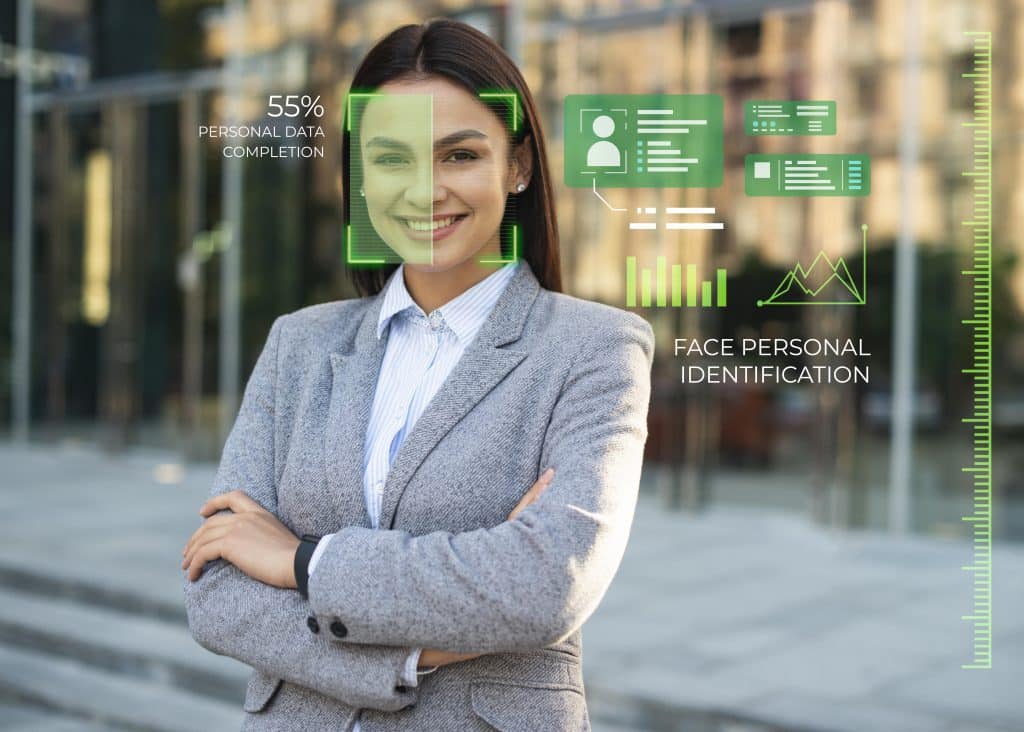
The trajectory of AI in hiring points toward sophisticated applications. Capabilities are expanding rapidly.
However, this future hinges on a delicate balance: innovating responsibly. Companies must proactively address ethical concerns.
The goal is not just adopting AI, but integrating it thoughtfully. Prioritizing human dignity and fairness is essential.
| Key Point | Brief Description |
|---|---|
| ⚖️ Algorithmic Bias | AI trained on historical data can perpetuate discrimination, requiring careful auditing and diverse datasets to ensure fair outcomes. |
| 🕵️ Transparency & Explainability | The “black box” nature of AI hinders understanding of decisions; explainable AI (XAI) promotes trust and accountability. |
| 🔒 Data Privacy & Security | Extensive data collection demands robust privacy policies, secure storage, and explicit candidate consent to prevent breaches and misuse. |
| 📜 Regulatory Compliance | US companies must navigate evolving federal and state laws, adhering to anti-discrimination statutes that apply to AI in hiring. |
Frequently Asked Questions About Ethical AI in Hiring
Algorithmic bias occurs when AI systems, trained on historical data, inadvertently replicate or amplify existing societal prejudices. This can lead to unfair or discriminatory outcomes in hiring decisions, affecting candidates based on protected characteristics like gender or race, even if those are not explicitly programmed into the algorithm.
US companies should implement robust data governance policies, including clear consent processes for data collection, strong encryption, and regular security audits. Adhering to privacy-by-design principles, informing candidates about data usage, and complying with relevant federal and state privacy laws are crucial steps for protecting sensitive applicant information.
While there isn’t one federal law specifically for AI in hiring, existing anti-discrimination laws like Title VII apply. Additionally, states and cities (e.g., New York City) are enacting specific regulations to address algorithmic bias in employment decisions. Companies must stay informed about these evolving legal requirements to ensure compliance.
Explainable AI (XAI) refers to AI systems that can provide clear, understandable reasons for their decisions. In recruitment, XAI is vital because it builds trust and allows for fair assessment if an AI’s decision is challenged. It helps both companies and candidates understand the rationale behind hiring outcomes, mitigating the “black box” problem of complex algorithms.
Developing ethical AI guidelines involves a multi-stakeholder approach. Key steps include committing to fairness and non-discrimination, ensuring transparency, prioritizing data privacy, maintaining human oversight, and conducting continuous monitoring. Regular auditing, ongoing training, and cultural integration are essential for effective implementation and adaptation of these guidelines.
Conclusion
Navigating the ethical complexities of AI in hiring presents a significant challenge for US companies. While AI offers undeniable efficiencies in talent acquisition, its integration requires careful attention to issues like algorithmic bias and data privacy.
A proactive and conscientious approach is essential to ensure fairness and transparency in AI systems. By adhering to evolving regulations and fostering responsible AI development, companies can mitigate ethical risks.
The future of equitable AI in hiring hinges on balancing technological advancement with unwavering ethical responsibility. Companies must commit to both progress and fairness for a more inclusive and just workforce.