DOJ Whistleblower Payout Rules 2026: Compliance Steps
Advertisements
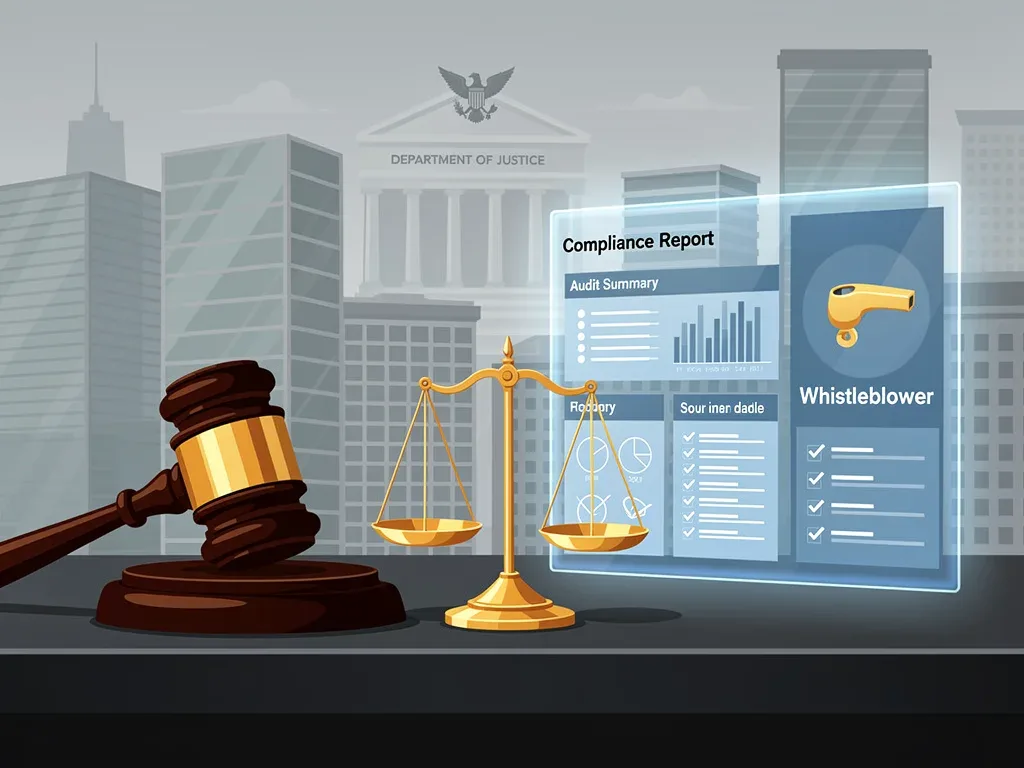
Navigating the updated DOJ Whistleblower Payout Rules requires immediate action from corporate legal and compliance teams. With federal authorities offering multi-million dollar incentives to original tipsters, companies face unprecedented pressure to strengthen internal reporting frameworks before employees reach out to federal prosecutors.
Securing financial bounty eligibility creates a compelling incentive for insiders to bypass traditional ethics hotlines. To mitigate catastrophic regulatory penalties and maintain defense integrity, organizations must ensure their internal disclosure systems operate faster than the 120-day window granted to reporters.
Protecting institutional reputation now demands proactive policy adjustments, robust investigation protocols, and enhanced reporter protections. Establish bulletproof operational standards today to safeguard your compliance structure and manage exposure in this aggressive enforcement environment.
Understanding the Evolving DOJ Whistleblower Landscape
The DOJ's commitment to combating fraud relies heavily on whistleblower programs, notably under the False Claims Act (FCA). These programs reward individuals who report fraud against the government, leading to significant recoveries for taxpayers.
Recent trends indicate a continued focus on areas such as healthcare fraud, government contracting, and financial misconduct. The anticipated 2026 rule adjustments aim to enhance the effectiveness of these programs, potentially impacting payout structures and reporting mechanisms.
Companies operating within regulated industries must therefore remain vigilant regarding their compliance frameworks. A robust understanding of these evolving rules is paramount to avoid being caught off guard by new enforcement priorities.
Key Changes Expected in 2026
While specific legislative details are still emerging, experts anticipate several key shifts in the DOJ Whistleblower Payout Rules for 2026. These changes are likely to focus on streamlining the reporting process and clarifying eligibility criteria for whistleblowers.
There is also speculation about potential adjustments to the percentage of recovered funds awarded to whistleblowers, aiming to provide stronger incentives. Such modifications could significantly increase the financial implications for non-compliant organizations.
Enhanced protections for whistleblowers against retaliation.
Clarification of what constitutes "original information."
Potential revisions to the maximum and minimum payout percentages.
Streamlined procedures for submitting whistleblower complaints.
These anticipated changes highlight a proactive stance by the DOJ to strengthen its enforcement arsenal. Organizations must interpret these signals as a clear directive to enhance their internal compliance and reporting systems.
Step 1: Strengthening Internal Reporting Mechanisms
A primary defense against external whistleblower actions is a highly effective internal reporting system. Employees are often more likely to report concerns internally if they trust the process and believe their concerns will be addressed promptly and confidentially.
This involves creating clear, accessible, and anonymous channels for employees to raise red flags without fear of reprisal. An effective internal system can often resolve issues before they escalate to the DOJ, saving companies from costly investigations and reputational damage.
Investing in training and communication around these internal channels is crucial. Employees need to understand how to use them, what types of issues to report, and the company's commitment to acting on their concerns.
Developing a Robust Ethics Hotline
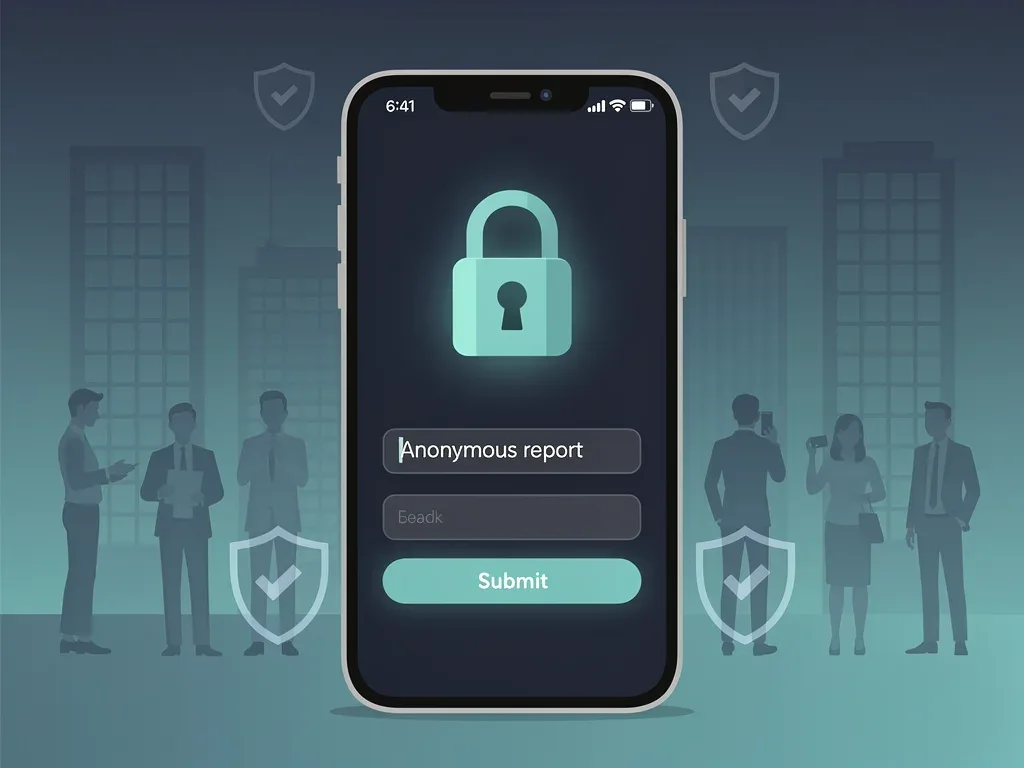
Implementing a dedicated and independently managed ethics hotline is a foundational element of strong internal reporting. This hotline should be easily accessible to all employees, offering multiple communication methods such as phone, email, and web portals.
Crucially, the hotline must guarantee anonymity and confidentiality to encourage candid reporting. Employees must perceive it as a safe space where their concerns will be taken seriously without fear of negative repercussions on their careers.
Ensure 24/7 availability and multilingual support.
Promote the hotline regularly through internal communications.
Utilize third-party providers for enhanced anonymity and credibility.
Establish clear protocols for receiving, investigating, and resolving complaints.
The effectiveness of such a hotline lies not just in its existence, but in the consistent and transparent follow-up on reported issues. A perception of inaction can quickly erode trust and drive potential whistleblowers to external channels.
Step 2: Comprehensive Compliance Training and Education
Employee awareness and understanding of compliance policies are critical in preventing misconduct and encouraging internal reporting. Regular, comprehensive training programs are essential to keep the workforce informed about ethical standards and legal obligations.
These training initiatives should cover not only company policies but also the implications of relevant laws, including the False Claims Act and the specifics of the DOJ Whistleblower Payout Rules. Ignorance of the law is not a defense, and proactive education can prevent inadvertent violations.
Tailoring training content to different departments and roles ensures relevance and impact. For instance, employees in finance or sales might require more specific training on anti-fraud measures than those in administrative roles.
Tailoring Training for Key Personnel
Compliance training should not be a one-size-fits-all approach. Key personnel, especially those in leadership, legal, finance, and human resources, require specialized training on the intricacies of corporate ethics and whistleblower protections.
These individuals are often the first point of contact for employees with concerns, or they are directly involved in processes that could lead to violations. Their understanding of the DOJ Whistleblower Payout Rules and internal procedures is paramount.
Focus on case studies relevant to their roles.
Include modules on managing internal investigations and protecting whistleblowers.
Provide regular updates on regulatory changes and enforcement trends.
Emphasize the personal accountability of leaders in fostering an ethical culture.
Effective training fosters a culture where compliance is integrated into daily operations, rather than being seen as a mere formality. It empowers employees to make ethical decisions and to utilize internal reporting mechanisms when necessary.
Step 3: Proactive Risk Assessment and Mitigation
Identifying and addressing potential areas of vulnerability is a cornerstone of effective compliance. Regular and thorough risk assessments allow companies to pinpoint specific operational or departmental practices that could lead to fraud or misconduct.
These assessments should be dynamic, adapting to changes in business operations, regulatory environments, and market conditions. A static risk assessment quickly becomes obsolete, leaving an organization exposed to unforeseen compliance challenges.
Once risks are identified, robust mitigation strategies must be developed and implemented. This involves not only policy adjustments but also practical changes in processes, controls, and oversight to reduce the likelihood of violations related to DOJ Whistleblower Payout Rules.
Identifying High-Risk Areas
Companies must conduct detailed analyses to determine where fraud and misconduct are most likely to occur. This often involves examining financial transactions, government contracts, procurement processes, and interactions with third parties.
Historical data from previous internal investigations or external enforcement actions can provide valuable insights into recurring vulnerabilities. Industry benchmarks and regulatory guidance also serve as critical resources for identifying high-risk areas.
Review internal audit findings and external compliance reports.
Analyze past whistleblower complaints, both internal and external.
Benchmark against industry best practices and regulatory expectations.
Consider geographical and operational risks, especially in international markets.
A comprehensive risk assessment is an ongoing process, not a one-time event. Continuous monitoring and periodic re-evaluations are essential to maintain an up-to-date understanding of the company's risk profile and ensure compliance with evolving DOJ Whistleblower Payout Rules.

Step 4: Ensuring Non-Retaliation and Whistleblower Protection
The success of any internal reporting program, and indeed the broader effectiveness of whistleblower laws, hinges on robust non-retaliation policies. Employees must feel absolutely secure that reporting misconduct will not jeopardize their employment or career prospects.
Retaliation against whistleblowers is not only illegal but also severely damages corporate culture, discouraging future reporting and increasing the likelihood of external disclosures. The DOJ takes allegations of retaliation very seriously, often imposing harsh penalties.
Companies must implement clear policies prohibiting retaliation and provide training to managers on how to handle whistleblower complaints appropriately. This includes protecting the identity of the whistleblower to the fullest extent possible and ensuring fair treatment.
Implementing Strong Anti-Retaliation Policies
An effective anti-retaliation policy goes beyond mere words; it requires demonstrable commitment and consistent enforcement. This includes transparent investigation processes for alleged retaliation and disciplinary actions against those who violate the policy.
Managers and supervisors, in particular, need to understand their role in preventing retaliation and fostering an environment where employees feel safe to speak up. Training should cover subtle forms of retaliation, such as ostracization or denial of opportunities.
Develop a clear, written anti-retaliation policy distributed to all employees.
Establish an independent mechanism for investigating retaliation claims.
Provide support resources for whistleblowers, including legal counsel if appropriate.
Regularly audit HR practices to ensure non-discriminatory treatment of reporters.
By prioritizing whistleblower protection and enforcing strict non-retaliation policies, companies can build trust, enhance internal reporting, and ultimately reduce their exposure to external whistleblower actions under the DOJ Whistleblower Payout Rules.
Compliance Focus | Action Required |
|---|---|
Internal Reporting | Enhance secure, anonymous channels for employee concerns. |
Training & Education | Implement comprehensive, role-specific compliance training. |
Risk Assessment | Proactively identify and mitigate high-risk areas for fraud. |
Non-Retaliation | Enforce strict policies protecting whistleblowers from reprisal. |
Frequently Asked Questions About DOJ Whistleblower Rules
What are the main changes expected in the DOJ Whistleblower Payout Rules for 2026?▼
While specifics are still emerging, anticipated changes for 2026 include enhanced whistleblower protections, clearer definitions of "original information," and potential adjustments to payout percentages. These modifications aim to strengthen incentives for reporting fraud and streamline the overall process, impacting corporate compliance strategies significantly.
Why is strengthening internal reporting mechanisms crucial for compliance?▼
Strengthening internal reporting mechanisms is crucial because it provides employees with secure, confidential channels to report misconduct internally. This allows companies to address issues proactively before they escalate to the DOJ, potentially preventing costly investigations, fines, and reputational damage associated with external whistleblower actions under the DOJ Whistleblower Payout Rules.
How can companies ensure their compliance training is effective?▼
Effective compliance training should be comprehensive, role-specific, and regularly updated. It must cover company policies, relevant laws like the False Claims Act, and the specifics of the DOJ Whistleblower Payout Rules. Tailoring content to different departments and emphasizing leadership accountability ensures employees understand their obligations and the importance of ethical conduct.
What role do risk assessments play in preparing for new whistleblower rules?▼
Proactive risk assessments are vital for identifying and mitigating potential vulnerabilities that could lead to fraud or misconduct. By regularly analyzing operations, financial transactions, and government contracts, companies can pinpoint high-risk areas. This allows for the implementation of robust controls and policy adjustments, reducing exposure to whistleblower claims under the DOJ Whistleblower Payout Rules.
What are the consequences of retaliating against a whistleblower?▼
Retaliation against whistleblowers is illegal and carries severe penalties, including fines, legal action, and significant reputational harm. Such actions undermine trust, discourage internal reporting, and often lead to escalated external disclosures to agencies like the DOJ. Strict adherence to non-retaliation policies is essential for maintaining an ethical corporate culture and avoiding legal repercussions.
What happens now
The anticipation of updated DOJ Whistleblower Payout Rules in 2026 signals a heightened regulatory environment for corporate ethics. Companies must view this as an immediate call to action, not a distant future concern.
Proactive compliance measures, including robust internal reporting, comprehensive training, continuous risk assessment, and unwavering non-retaliation policies, are not just best practices but essential safeguards.
Organizations that prioritize these steps will be better positioned to navigate the evolving landscape, mitigate legal and financial risks, and foster a culture of integrity.
The ultimate goal is to create an environment where internal reporting thrives, reducing the likelihood of external whistleblower actions and ensuring alignment with the DOJ's enforcement priorities.
Monitoring official announcements from the DOJ and legal experts will be crucial in the coming months to understand the final contours of the 2026 rules. Staying informed and adapting compliance strategies accordingly will be key to protecting corporate integrity and financial stability.