Data Ethics vs. Monetization: 5 Governance Guardrails
Advertisements
Data ethics monetization requires organizations to balance the commercial value of information with privacy, accountability, fairness, and stakeholder trust.
The source presents five governance guardrails designed to reduce misuse, improve oversight, and make data practices more transparent across the organization.
These measures are framed not only as compliance tools but also as strategic mechanisms for supporting sustainable data use and long-term business credibility.
The Critical Nexus of Data Ethics and Monetization
The relationship between data ethics and monetization creates a recurring challenge for organizations seeking to generate value from information.
Commercial opportunities must be balanced against privacy expectations, individual rights, regulatory obligations, and broader social concerns.
A strong data ethics monetization framework therefore embeds ethical considerations throughout the entire data lifecycle rather than treating them as an afterthought.
Defining Ethical Data Practices
Ethical data practices extend beyond basic compliance by considering fairness, privacy, accountability, and the potential consequences of data use.
Organizations adopting this approach evaluate whether data-driven decisions respect both individual rights and broader societal expectations.
This commitment can strengthen consumer confidence and position responsible data stewardship as part of long-term business strategy.
The Imperative for Monetization Strategies
Data monetization can create economic value by transforming information into insights, services, operational improvements, or new revenue opportunities.
Organizations increasingly treat data as a strategic asset capable of supporting personalization, efficiency, and competitive differentiation.
However, monetization without defined ethical limits can damage trust and create regulatory or reputational risks that undermine those benefits.
Guardrail 1: Establishing Transparent Data Policies
The first guardrail centers on making data policies clear, accessible, and specific about how information is collected, processed, and shared.
Transparency requires organizations to move beyond vague privacy notices and explain data practices in language stakeholders can understand.
Regular policy reviews also help ensure that public commitments remain aligned with actual business practices and changing regulatory expectations.
Clear Communication of Data Use
Organizations should explain data processing activities in direct language and clearly identify the reasons information is being collected.
Provide concise, plain-language summaries of data processing activities.
Clearly outline the specific purposes for which data is collected and processed.
Detail any third-party sharing of data and the reasons behind it.
Communication should also provide stakeholders with practical ways to ask questions, raise concerns, and understand how their information is handled.
This two-way approach supports stronger transparency by giving organizations feedback about where policies may still be unclear.
Accessible Consent Mechanisms
Consent mechanisms should allow individuals to understand and control how their information is used.
Implement user-friendly consent forms that are easy to understand and navigate.
Offer granular control over data sharing preferences, allowing users to opt-in or opt-out of specific uses.
Ensure that consent is freely given, specific, informed, and unambiguous, adhering to global privacy standards.
Complex or intentionally confusing interfaces can undermine confidence even when a consent process technically exists.
Clearer controls strengthen responsible data ethics monetization by making individual choices more meaningful.
Guardrail 2: Implementing Robust Data Anonymization and Pseudonymization
The second guardrail uses anonymization and pseudonymization to reduce identification risks while preserving useful analytical value.
Anonymization seeks to remove identifiers permanently, while pseudonymization replaces direct identifiers with alternative references under controlled conditions.
The source emphasizes that these techniques must be continuously evaluated because weak implementations can still leave information vulnerable to re-identification.
Advanced Anonymization Techniques
Techniques such as k-anonymity, l-diversity, and t-closeness are presented as methods for reducing the possibility of identifying individuals within datasets.
The appropriate technique depends on the sensitivity, structure, and intended use of the information being processed.
Risk assessments should therefore accompany anonymization efforts to evaluate whether privacy protections remain adequate as analytical capabilities evolve.
Pseudonymization for Data Utility
Pseudonymization enables organizations to continue using data while reducing direct exposure of personal identifiers.
This approach can be useful when information must remain linkable for analysis but does not need to reveal an individual's identity during normal processing.
Maintaining strict separation between pseudonymized data and re-identification keys is essential for responsible data ethics monetization.
Guardrail 3: Establishing Strict Data Access and Usage Controls
The third guardrail focuses on limiting access to data based on legitimate business needs and defined responsibilities.
The principle of least privilege helps ensure that employees and external partners receive only the permissions necessary for their assigned functions.
Access logs and activity reviews provide additional oversight by making it easier to identify suspicious or unauthorized behavior.
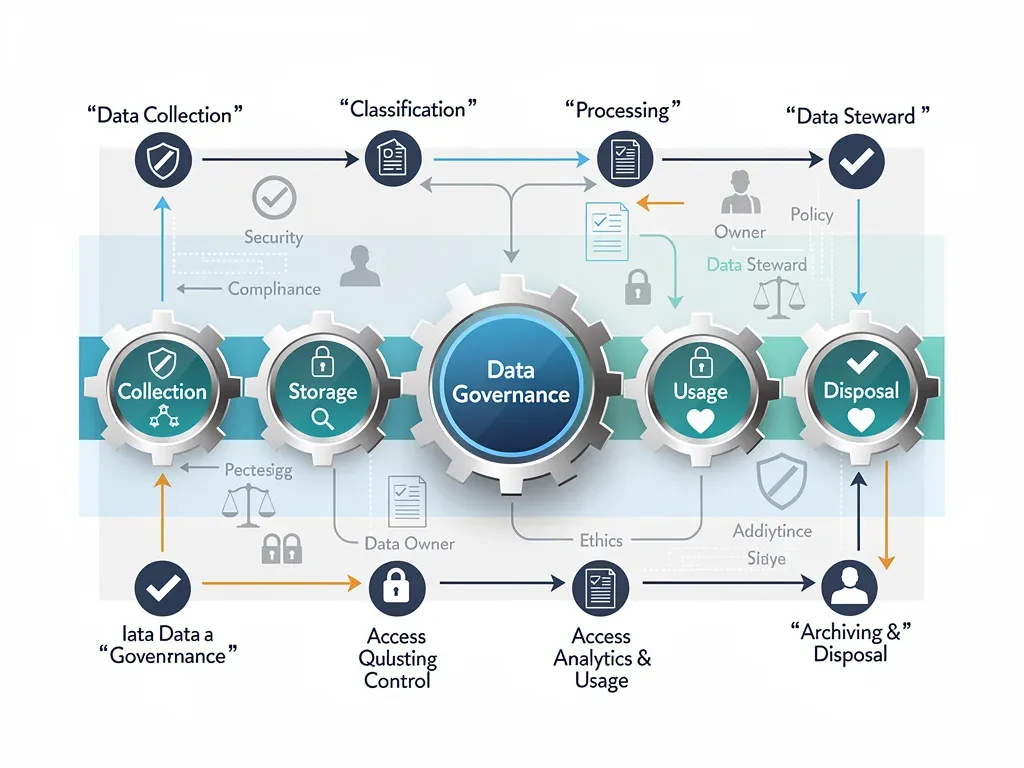
Role-Based Access Control (RBAC)
Role-Based Access Control assigns permissions according to an individual's position and operational responsibilities.
Assign data access permissions based on an individual's specific job function and responsibilities.
Regularly review and update access roles to reflect changes in personnel or project requirements.
Ensure that access rights are revoked promptly when an employee leaves the organization or changes roles.
Regular reviews help prevent unnecessary privilege accumulation as roles and projects change over time.
Promptly removing obsolete permissions reduces exposure and reinforces accountability across internal data systems.
Third-Party Data Sharing Agreements
External partners should be governed by agreements that clearly define how shared information may be used and protected.
Mandate comprehensive data processing agreements with all third-party vendors and partners.
Clearly define data ownership, usage limitations, and security requirements in these contracts.
Conduct due diligence on third-party data handling practices to ensure they meet the organization's ethical and security standards.
Due diligence helps organizations determine whether vendors maintain standards consistent with their own internal commitments.
These agreements extend data ethics monetization safeguards beyond organizational boundaries and into the broader supply chain.
Guardrail 4: Implementing Regular Data Ethics Audits and Impact Assessments
The fourth guardrail involves recurring data ethics audits and privacy impact assessments designed to identify weaknesses before they become larger problems.
Audits should evaluate legal compliance as well as internal ethical standards, operational practices, and stakeholder expectations.
Privacy impact assessments can also be used before new initiatives launch to identify risks and integrate safeguards earlier in the design process.
Proactive Risk Identification
Regular audits allow organizations to review data collection, storage, processing, and sharing for both technical vulnerabilities and ethical concerns.
Identifying problems early makes corrective action easier and may reduce financial, regulatory, and reputational consequences.
This process also helps organizations anticipate emerging risks rather than responding only after a data issue becomes public.
Continuous Improvement Loops
Audit findings should lead directly to updates in policies, technologies, processes, and internal responsibilities.
Clear accountability for corrective actions helps ensure that recommendations result in practical improvements rather than remaining unresolved observations.
A continuous improvement process keeps data governance responsive as technology, regulations, and stakeholder expectations change.
Guardrail 5: Ensuring 100% Stakeholder Transparency and Accountability
The fifth guardrail focuses on maintaining consistent transparency and accountability across all data-related decisions and activities.
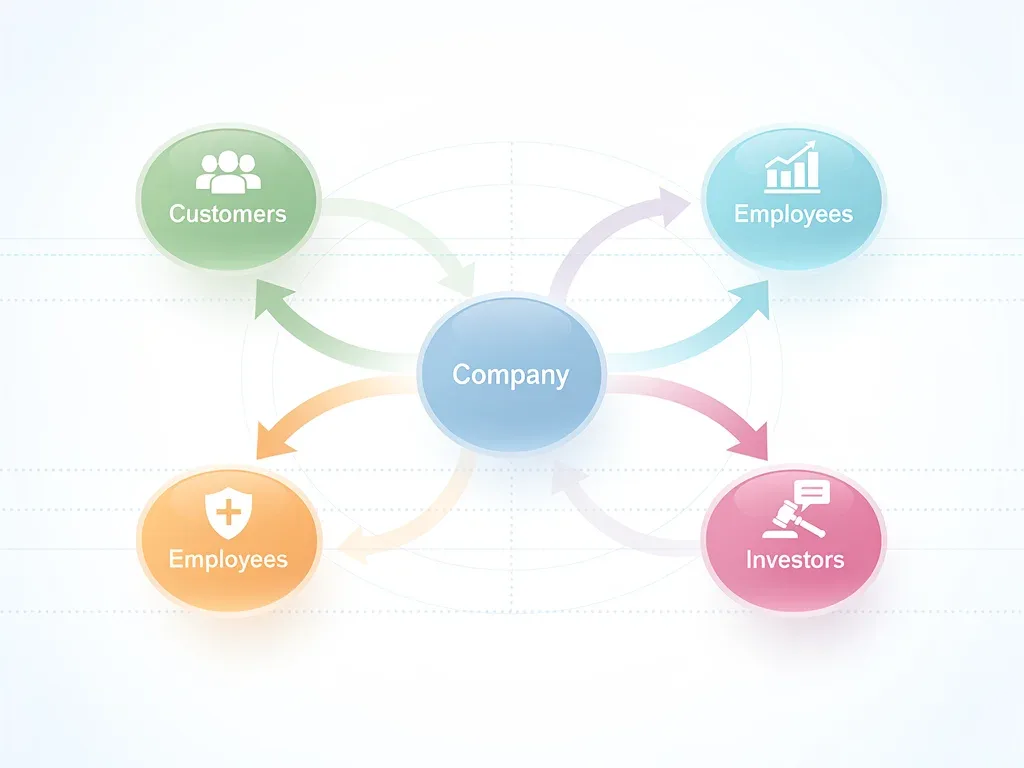
The source includes customers, employees, investors, and regulators among the stakeholders who should receive clear information about important data practices and incidents.
Accountability complements transparency by assigning ownership for ethical standards, privacy obligations, and corrective actions.
Open Communication Channels
Dedicated communication channels allow stakeholders to ask questions and express concerns about how data is collected or used.
Establish dedicated channels for stakeholders to inquire about data practices and voice concerns.
Provide regular updates on data governance initiatives and key ethical decisions.
Be forthcoming about data breaches or incidents, explaining the nature of the event and corrective actions taken.
Regular governance updates can also demonstrate that transparency continues after policies have been published.
When incidents occur, timely communication about what happened and how it is being addressed can help preserve stakeholder confidence.
Clear Accountability Frameworks
Accountability requires defined responsibilities for governance, privacy, security, and ethical oversight throughout the organization.
Define clear roles and responsibilities for data governance and ethical oversight within the organization.
Implement internal policies that outline consequences for non-compliance with data ethics standards.
Establish independent oversight mechanisms, such as an ethics committee or a dedicated data protection officer, to ensure impartiality.
Independent oversight can provide additional scrutiny when decisions involve competing commercial and ethical priorities.
These structures help ensure that data ethics monetization principles are actively enforced rather than treated as optional guidance.
Key Guardrail | Brief Description |
|---|---|
Transparent Policies | Openly communicate data collection, use, and sharing practices to all stakeholders. |
Data Anonymization | Employ robust techniques to protect individual identities while enabling data utility. |
Access Controls | Implement strict controls over who can access data and for what authorized purposes. |
Regular Audits | Conduct periodic ethics audits and impact assessments to identify and mitigate risks. |
Frequently Asked Questions About Data Ethics and Monetization
Why is data ethics crucial for monetization?▼
Data ethics helps align monetization with privacy rights and stakeholder expectations, reducing the risk of misuse, penalties, and reputational damage.
What are the main challenges in balancing data ethics and monetization?▼
The source highlights evolving privacy rules, public expectations, secure data handling, and pressure to avoid prioritizing short-term commercial gains over ethical commitments.
How do governance guardrails enhance stakeholder transparency?▼
Transparent policies, access controls, audits, and accountability structures make data practices easier to understand, review, and challenge when necessary.
Can data anonymization truly prevent re-identification?▼
The source states that anonymization can substantially reduce risk but does not provide an absolute guarantee against increasingly sophisticated re-identification methods.
What is the role of regular audits in data ethics?▼
Regular audits help identify risks, evaluate compliance and ethical practices, and provide structured feedback for improving governance over time.
What this means
These five guardrails provide a structured framework for organizations trying to balance commercial data use with ethical responsibility.
Transparent policies, privacy protections, access controls, recurring audits, and accountability mechanisms collectively support more sustainable data ethics monetization.
As stakeholder scrutiny increases, organizations that maintain clearer governance and communication may be better positioned to preserve trust while continuing to derive value from data.