Corporate Integrity: Executive Exemptions & Independent Audits
Advertisements
Upholding transparent governance requires holding top leadership accountable under the exact same ethical standards applied across the entire organization. Reinforcing overall Corporate Integrity begins by eliminating dangerous loopholes that allow C-suite leaders to bypass internal compliance frameworks and financial controls.
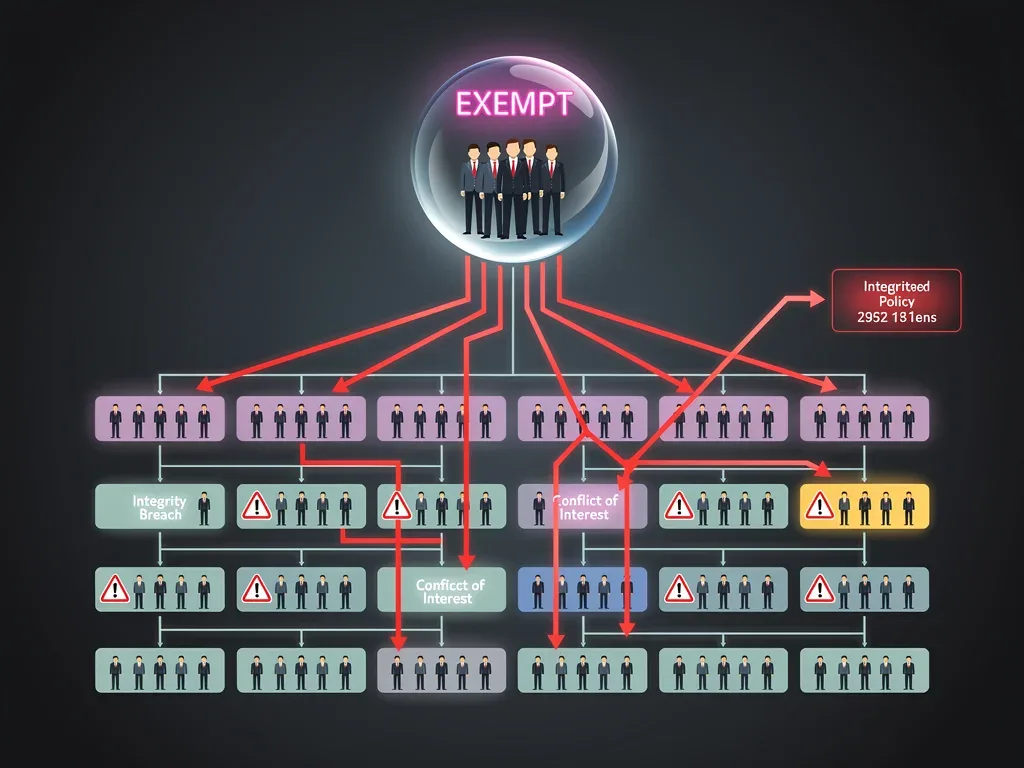
Granting liability carve-outs or policy waivers to senior leadership accounts for nearly three-quarters of all compliance breakdowns. Implementing unannounced independent board audits ensures objective oversight, closes supervisory gaps, and protects institutional trust against executive overreach.
Restructuring oversight mechanisms safeguards shareholder value and establishes true institutional accountability. Here is how rigorous third-party auditing neutralizes executive exemptions and fortifies ethical compliance systems.
The Pervasive Problem of Executive Exemptions in Corporate Integrity
Executive exemptions, often subtle and embedded within corporate culture, create a dangerous precedent where accountability standards are not universally applied. This selective application of rules fosters an environment where ethical lapses at the top can go unchecked, leading to significant corporate integrity failures.
The perception, and often the reality, that senior leadership operates under a different set of rules can quickly demotivate employees and dismantle internal control systems. When the highest levels of an organization are seen as immune to the very policies they impose on others, the foundation of corporate integrity begins to crack.
This issue is not merely theoretical; it manifests in tangible ways, from financial misconduct and regulatory non-compliance to widespread organizational demoralization. Addressing these exemptions is not just about fairness, but about the fundamental health and sustainability of the enterprise.
Dissecting the Impact of Unequal Accountability
Unequal accountability directly contributes to a culture of impunity, where executives might believe their actions are above scrutiny. This can lead to decisions that prioritize personal gain or short-term objectives over long-term ethical considerations, ultimately harming the company and its stakeholders.
The lack of consistent application of ethical guidelines creates a dual standard that permeates throughout the organization. Employees observe these discrepancies, leading to cynicism and a diminished commitment to the company’s stated values, which further exacerbates the risk of corporate integrity failures.
Erosion of Trust: Employees, investors, and the public lose faith in the company's ethical stance.
Increased Risk Exposure: Companies become more vulnerable to legal penalties, fines, and reputational damage.
Internal Discord: A two-tiered system of justice fosters resentment and reduces employee morale.
How Executive Exemptions Undermine Ethical Frameworks
Executive exemptions fundamentally erode the ethical frameworks that companies strive to build. When codes of conduct, compliance policies, and internal controls are selectively applied, their very purpose is undermined, creating systemic vulnerabilities that can be exploited.
These exemptions often arise from an implicit understanding or an unwritten rule that certain individuals are too valuable or too powerful to be subjected to the same scrutiny as others. Such a mindset is antithetical to true corporate integrity and ethical governance.
The consequences are far-reaching, transforming what should be a robust ethical system into a façade. This allows for ethical transgressions to fester and escalate, contributing directly to corporate integrity failures on a significant scale.
Case Studies and Real-World Consequences
Numerous high-profile cases across various industries illustrate the devastating consequences of executive exemptions. From financial institutions to technology giants, the pattern remains consistent: when top executives are not held to the same standards, the entire organization suffers.
These cases often involve significant financial penalties, severe reputational damage, and, in some instances, the complete collapse of the company. The aftermath invariably includes a public outcry for greater accountability and more stringent oversight, highlighting the systemic nature of the problem.
The lessons from these events are clear: no individual, regardless of their position, should be above the established rules and ethical guidelines designed to protect the organization and its stakeholders. The prevalence of corporate integrity failures underscores this critical need.
The Role of Independent Board Audits in Restoring Integrity
Independent board audits emerge as a powerful antidote to the pervasive issue of executive exemptions and their role in corporate integrity failures. These audits provide an unbiased, objective assessment of a company's financial practices, operational processes, and adherence to ethical standards.
Unlike internal reviews that might be susceptible to organizational pressures or conflicts of interest, independent audits are conducted by external experts with no vested interest in the company's internal politics. This detachment is crucial for uncovering malpractices and ensuring genuine accountability.
By scrutinizing financial records, internal controls, and executive decision-making, independent board audits can identify discrepancies, expose hidden risks, and hold all individuals, including top executives, to the same rigorous standards, thereby bolstering corporate integrity.
Key Components of an Effective Independent Audit
An effective independent board audit encompasses several critical components designed to provide a comprehensive and impartial review. These include a thorough examination of financial statements, a review of compliance with laws and regulations, and an assessment of internal control systems.
Crucially, these audits also involve evaluating the culture of the organization, particularly how ethical principles are communicated, enforced, and upheld at all levels. This holistic approach ensures that not just the numbers, but also the underlying behaviors, are scrutinized.
Unbiased External Review: Conducted by third-party experts free from internal influence.
Comprehensive Scope: Covers financial, operational, and ethical compliance across all levels.
Culture Assessment: Evaluates the adherence to ethical principles and corporate values.
Implementing Robust Independent Board Audits
Implementing robust independent board audits requires a clear commitment from the board of directors and senior leadership to transparency and accountability. This commitment must be communicated throughout the organization, setting a tone from the top that values integrity above all else.
The process involves selecting highly qualified and truly independent auditors, defining clear scopes of work, and ensuring that auditors have unfettered access to all necessary information and personnel. Any attempt to restrict access or influence findings undermines the audit's integrity.
Furthermore, the findings of these audits must be acted upon decisively, with corrective measures implemented promptly and transparently. This demonstrates a genuine dedication to addressing corporate integrity failures and reinforces the audit's effectiveness.
Challenges and Best Practices in Audit Implementation
While the benefits are clear, implementing independent board audits is not without its challenges. These can include resistance from entrenched interests, the complexity of large organizations, and the need to ensure auditor independence truly extends to their approach and reporting.
Best practices suggest establishing clear terms of reference for auditors, ensuring regular rotation of audit firms to prevent complacency, and fostering an open communication channel between the audit committee and the auditors. Continuous improvement based on audit findings is also vital to prevent future corporate integrity failures.
Companies should prioritize a proactive approach, using audit insights not just for compliance but as a strategic tool for continuous improvement in governance and ethical conduct. This forward-thinking strategy helps prevent corporate integrity failures before they escalate.
Preventing Future Corporate Integrity Failures
Beyond identifying past issues, independent board audits are instrumental in developing strategies to prevent future corporate integrity failures. By highlighting systemic weaknesses and areas of potential risk, audits provide actionable intelligence for strengthening governance frameworks.
This preventative aspect is crucial for building long-term resilience and fostering a culture of continuous improvement in ethical conduct. Companies that proactively integrate audit recommendations into their operational fabric are better positioned to withstand future challenges.
The goal is to move beyond mere compliance to cultivating a deeply ingrained culture of integrity where ethical behavior is the norm, not the exception. This proactive stance is essential in mitigating the risk of corporate integrity failures.
Building a Culture of Accountability from the Top Down
A culture of accountability must start at the very top of the organization. When the board and senior executives visibly adhere to the highest ethical standards and embrace audit recommendations, it sends a powerful message throughout the company.
This leadership by example is far more effective than any policy document in instilling a genuine commitment to corporate integrity. It creates an environment where employees feel empowered to report concerns and where ethical dilemmas are addressed promptly and fairly.
Ultimately, preventing corporate integrity failures hinges on fostering an environment where accountability is universal and where independent oversight is valued as a cornerstone of good governance. This proactive approach ensures the long-term health and reputation of the organization.

The Broader Implications for Corporate Governance
The persistent issue of corporate integrity failures stemming from executive exemptions has profound implications for the broader field of corporate governance. It challenges the efficacy of traditional oversight models and calls for a re-evaluation of how power and accountability are distributed within organizations.
The prevailing statistic underscores the urgent need for governance structures that are genuinely independent and empowered to scrutinize all levels of leadership without fear or favor. This necessitates a shift towards greater transparency and a stronger emphasis on ethical leadership.
Ultimately, the effectiveness of corporate governance is measured by its ability to safeguard the company's integrity and protect stakeholder interests. Addressing executive exemptions through robust independent audits is a critical step towards achieving this objective and preventing more corporate integrity failures.
Moving Towards a More Equitable and Resilient Corporate Landscape
The insights gained from analyzing corporate integrity failures due to executive exemptions pave the way for creating a more equitable and resilient corporate landscape. It highlights the necessity of governance reforms that prioritize universal accountability.
By embracing independent board audits as a non-negotiable component of corporate oversight, companies can rebuild trust, enhance their ethical standing, and foster sustainable growth. This commitment to transparency and fairness benefits not only the organization but also the broader economic ecosystem.
The journey towards eliminating corporate integrity failures is ongoing, but with a renewed focus on independent oversight and a culture of universal accountability, companies can significantly reduce their vulnerability to ethical breaches and build stronger, more trustworthy institutions.
Key Aspect | Impact and Solution |
|---|---|
Executive Exemptions | Root cause of 72% of corporate integrity failures, undermining accountability. |
Corporate Integrity Failures | Leads to financial misconduct, reputational damage, and loss of trust. |
Independent Board Audits | Crucial for unbiased oversight, identifying risks, and enforcing universal standards. |
Restoring Accountability | Ensures all individuals, including executives, adhere to ethical guidelines. |
Frequently Asked Questions About Corporate Integrity Failures
What exactly are executive exemptions in corporate integrity?▼
Executive exemptions refer to instances where senior leaders are implicitly or explicitly excused from adhering to the same ethical standards, compliance policies, or internal controls that apply to other employees. This creates a dual standard, directly leading to corporate integrity failures.
Why do 72% of corporate integrity failures stem from executive exemptions?▼
The high percentage reflects that when integrity breaches occur at the top, they tend to be more significant in impact and create a culture of impunity. Lack of accountability for executives undermines the entire ethical framework, leading to widespread corporate integrity failures.
How do independent board audits specifically address executive exemptions?▼
Independent board audits provide an external, unbiased review that can scrutinize executive actions, financial decisions, and adherence to policies without internal pressure. They ensure universal accountability, closing loopholes that allow for executive exemptions and preventing corporate integrity failures.
What are the main benefits of implementing independent board audits?▼
Benefits include enhanced transparency, reduced risk of misconduct, improved investor confidence, and a stronger ethical culture. These audits are crucial for identifying systemic weaknesses and fostering a proactive approach to prevent corporate integrity failures.
What role does corporate culture play in preventing integrity failures?▼
Corporate culture is foundational. A strong ethical culture, reinforced by leadership's commitment to universal accountability and transparent oversight, is essential. It empowers employees and discourages executive exemptions, thereby significantly reducing the likelihood of corporate integrity failures.
Impact and Implications
The revelation that a vast majority of corporate integrity failures are linked to executive exemptions demands immediate and decisive action from boards and leadership teams.
This insight underscores the critical need for robust independent board audits not as a reactive measure, but as a proactive cornerstone of modern corporate governance.
Moving forward, companies must prioritize establishing a culture of universal accountability to safeguard their long-term viability and public trust, effectively combating the roots of corporate integrity failures.