Ethical Sourcing: 5-Step Guide to Mitigate Supply Chain Risks by 2026
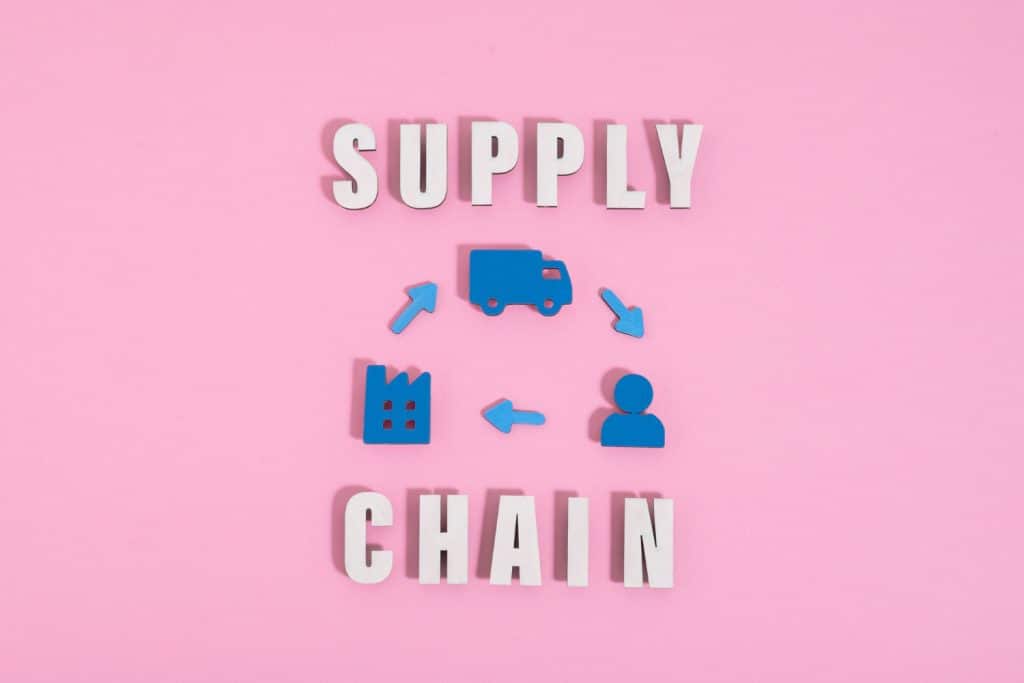
The global market is shifting, placing ethical sourcing in supply chains at the heart of corporate survival. As 2026 approaches, transparency is no longer a luxury but a fundamental requirement for any resilient brand.
Modern consumers and regulators now demand absolute integrity within every link of your production network. Moving toward responsible procurement means moving away from hidden liabilities and toward long-term operational stability.
By following this streamlined five-step roadmap, your organization can effectively navigate human rights due diligence and environmental compliance. Prepare your business to meet these upcoming milestones with confidence and strategic foresight.
The Urgency for Ethical Sourcing in Supply Chains
The imperative for ethical sourcing in supply chains has never been more pronounced, driven by evolving consumer expectations, stringent regulatory frameworks, and increasing investor scrutiny.
Companies can no longer afford to overlook the social and environmental implications embedded within their global operations.
Recent high-profile cases of labor exploitation and environmental damage have underscored the severe reputational and financial risks associated with unethical practices.
Proactive measures are now essential, not just for compliance, but for long-term brand integrity and market competitiveness.
Businesses operating in the U.S. and globally are recognizing that a robust ethical sourcing strategy is a cornerstone of responsible corporate citizenship. This shift from reactive damage control to proactive risk mitigation defines the current landscape.
Rising Consumer and Investor Demands
Consumers are increasingly making purchasing decisions based on a brand’s ethical stance, demanding transparency regarding product origins and production methods.
This trend forces companies to prioritize ethical sourcing in supply chains to maintain customer loyalty and market share.
Investors, too, are integrating Environmental, Social, and Governance (ESG) criteria into their decision-making processes. Companies with strong ethical sourcing records are often viewed as less risky and more sustainable investments, attracting capital and fostering growth.
Evolving Regulatory Landscape
Governments worldwide are enacting stricter legislation aimed at combating forced labor, human trafficking, and environmental degradation within supply chains.
Companies must navigate a complex web of international and national laws, making compliance a significant undertaking.
Failure to adhere to these regulations can result in substantial fines, import bans, and severe legal repercussions. The push for ethical sourcing in supply chains is therefore a legal necessity as much as a moral one, reinforcing the need for diligent oversight.
Step 1: Comprehensive Supply Chain Mapping and Risk Assessment
The initial crucial step towards robust ethical sourcing in supply chains involves a detailed mapping of the entire supply network, from raw materials to finished products.
This process illuminates every tier of suppliers, identifying potential vulnerabilities and areas of concern.
Once mapped, a thorough risk assessment must be conducted to pinpoint specific ethical, social, and environmental risks inherent in each stage and location.
This includes evaluating labor practices, environmental impact, and governance structures of all suppliers, direct and indirect.
Without a clear understanding of where risks lie, effective mitigation strategies cannot be developed. This foundational step provides the necessary visibility to build a truly resilient and ethical supply chain by December 2026.
Identifying Tier-1, Tier-2, and Beyond
Many companies traditionally focus only on their direct, Tier-1 suppliers, but ethical issues often reside deeper within the supply chain. Mapping extends to Tier-2, Tier-3, and even raw material origins to uncover hidden risks associated with ethical sourcing in supply chains.
This deep dive requires collaborative efforts with direct suppliers to gain transparency into their own sourcing practices.
Utilizing technology, such as blockchain and data analytics, can significantly aid in tracing origins and verifying supplier information, enhancing visibility.
Assessing Social and Environmental Vulnerabilities
A critical component of this step is evaluating risks related to forced labor, child labor, unsafe working conditions, and environmental pollution.
This assessment should consider geographical factors, industry-specific challenges, and historical data of human rights abuses or environmental infractions.
Engagement with local NGOs, labor unions, and community representatives can provide invaluable insights into on-the-ground realities. This holistic approach ensures that all facets of ethical sourcing in supply chains are thoroughly examined and understood.
Step 2: Establishing Clear Ethical Sourcing Policies and Standards
Once risks are identified, the next step is to formalize the company’s commitment to ethical sourcing in supply chains through clear policies and enforceable standards. These documents serve as the blueprint for expected behavior across the entire supply network.
These policies must communicate non-negotiable requirements related to human rights, labor practices, environmental protection, and anti-corruption measures. They should be easily accessible, understandable, and culturally relevant to all suppliers, regardless of their location.
Effective implementation by December 2026 hinges on the consistent application and communication of these standards. They are the backbone of a credible ethical sourcing program, guiding all supplier interactions and decisions.
Developing a comprehensive Code of Conduct for suppliers is paramount.
This code should clearly outline minimum requirements for wages, working hours, health and safety, freedom of association, and environmental stewardship, directly addressing key aspects of ethical sourcing in supply chains.
These policies must also include mechanisms for reporting non-compliance and outline consequences for violations.
Consistency in enforcement is vital to demonstrate the company’s serious commitment to ethical standards and to avoid accusations of greenwashing or ethical washing.
Step 3: Robust Supplier Engagement and Due Diligence
Mere policy creation is insufficient; active engagement and rigorous due diligence are essential for successful ethical sourcing in supply chains. Companies must work collaboratively with their suppliers to embed ethical practices throughout the network.
This involves not only screening new suppliers but also continuously monitoring and auditing existing ones. Due diligence is an ongoing process, adapting to new information and evolving risks, ensuring sustained adherence to ethical standards.
By December 2026, companies should have established robust systems for verifying supplier compliance and fostering a culture of continuous improvement. This proactive approach minimizes risks and builds stronger, more trustworthy relationships.
Supplier Onboarding and Vetting Processes
Implementing a rigorous vetting process for all new suppliers is non-negotiable. This process should include self-assessment questionnaires, third-party audits, and background checks to verify their commitment to ethical sourcing in supply chains principles.
It is crucial to assess not just their capabilities but also their policies and track record on labor and environmental issues. This initial screening sets the tone for the partnership and mitigates risks from the outset.
Continuous Monitoring and Auditing
Ongoing monitoring is key to ensuring sustained compliance. This can involve a combination of announced and unannounced audits, site visits, and the use of technology for remote monitoring. Regular performance reviews should include ethical metrics.
Beyond punitive measures, the focus should be on capacity building, offering training and resources to help suppliers improve their practices.
This collaborative approach fosters long-term commitment to ethical sourcing in supply chains rather than just superficial adherence.

Step 4: Transparency, Reporting, and Stakeholder Collaboration
Achieving true ethical sourcing in supply chains necessitates a commitment to transparency and open communication, both internally and externally. Companies must be prepared to report on their progress and challenges, fostering trust with stakeholders.
This step involves establishing clear reporting mechanisms, engaging with various stakeholders, and being accountable for the ethical performance of the entire supply chain.
Transparency builds credibility and encourages continuous improvement within the organization and among its partners.
By December 2026, robust reporting frameworks should be in place, demonstrating tangible progress and commitment to ethical practices. This includes sharing data and insights with consumers, investors, and regulatory bodies.
Public Reporting and Disclosure
Companies are increasingly expected to publish annual sustainability reports that detail their ethical sourcing efforts, including audit results, corrective actions, and supply chain transparency metrics.
This public disclosure demonstrates accountability and commitment to ethical sourcing in supply chains.
Reporting frameworks like the Global Reporting Initiative (GRI) or the Task Force on Climate-related Financial Disclosures (TCFD) can provide valuable structures for comprehensive and credible reporting.
Clear, concise, and verifiable data is essential for effective communication.
Engaging with Stakeholders
Collaboration with NGOs, industry associations, and local communities is vital for gaining diverse perspectives and addressing complex ethical challenges.
These partnerships can offer critical insights and support for implementing effective ethical sourcing in supply chains strategies.
Establishing grievance mechanisms for workers and communities affected by supply chain operations is also crucial. These channels provide avenues for reporting issues and facilitate timely and effective remediation, reinforcing ethical commitments.
Step 5: Continuous Improvement and Adaptive Strategies
The journey towards ethical sourcing in supply chains is not a one-time fix but an ongoing process of learning, adaptation, and improvement. The final step emphasizes the need for continuous evaluation, feedback loops, and strategic adjustments.
Market dynamics, regulatory changes, and emerging ethical concerns require companies to remain agile and proactive in refining their sourcing strategies. Building a culture of continuous improvement ensures long-term resilience and ethical integrity.
By December 2026, companies should have embedded mechanisms for regular review and enhancement of their ethical sourcing programs. This forward-looking approach ensures that the supply chain remains robust and responsive to future challenges.
Regular Performance Review and Feedback
Scheduled reviews of ethical sourcing performance, including key performance indicators (KPIs) related to labor standards, environmental impact, and audit outcomes, are essential. Feedback from suppliers, employees, and external stakeholders should inform these reviews.
Identifying areas for improvement and developing corrective action plans collaboratively with suppliers fosters a shared responsibility for ethical sourcing in supply chains. This iterative process drives incremental yet significant advancements.
Adapting to Emerging Risks and Innovations
The ethical landscape is constantly evolving, with new risks such as cyber-slavery or climate change impacts on vulnerable communities emerging. Companies must stay abreast of these developments and adapt their strategies accordingly.
Leveraging technological innovations, such as AI for predictive risk analysis or satellite imagery for deforestation monitoring, can enhance the effectiveness of ethical sourcing programs. Embracing these tools is crucial for maintaining leadership in ethical sourcing in supply chains.
| Key Step | Brief Description |
|---|---|
| Supply Chain Mapping | Identify all tiers of suppliers and raw material origins to gain full visibility. |
| Policy Establishment | Create clear ethical sourcing policies and a Code of Conduct for all partners. |
| Due Diligence & Engagement | Implement rigorous vetting, audits, and collaborative improvement with suppliers. |
| Transparency & Reporting | Publicly report on ethical performance and engage with diverse stakeholders. |
Frequently Asked Questions About Ethical Sourcing in Supply Chains
Ethical sourcing in supply chains involves procuring goods and services in a way that respects human rights, promotes fair labor practices, minimizes environmental impact, and upholds high standards of business integrity. It means ensuring every step of the supply process is responsible and sustainable, from raw material extraction to final product delivery.
December 2026 represents a critical benchmark for many companies to have robust ethical sourcing strategies fully implemented. This deadline is driven by increasing regulatory pressures, heightened consumer expectations, and investor demands for greater transparency and accountability in supply chains globally. It signifies a shift toward mandatory ethical compliance.
The primary risks of unethical sourcing include severe reputational damage, significant financial penalties from regulatory bodies, consumer boycotts, and legal liabilities. It can also lead to supply chain disruptions, loss of investor confidence, and difficulty attracting and retaining talent, ultimately jeopardizing long-term business sustainability and market position.
Small businesses can implement ethical sourcing effectively by starting with their most critical suppliers, focusing on transparency, and leveraging industry collaborations. Utilizing simplified risk assessment tools, engaging in local sourcing when possible, and clearly communicating expectations to suppliers are practical first steps. Scalable solutions and continuous improvement are key.
Technology plays a vital role in enhancing transparency and traceability in ethical sourcing. Tools like blockchain can track product origins, IoT sensors can monitor working conditions, and AI-powered analytics can identify potential risks. These technologies provide data-driven insights, improve audit efficiency, and facilitate more accurate reporting, strengthening ethical compliance efforts.
Impact and Implications
The comprehensive adoption of ethical sourcing in supply chains by December 2026 is poised to redefine corporate responsibility and market competitiveness.
Companies that proactively embrace these five steps will not only mitigate significant risks but also gain a substantial advantage in attracting conscious consumers and investors.
The shift towards greater transparency and verifiable ethical practices is an irreversible trend, demanding continuous vigilance and strategic adaptation from all enterprises operating in the global economy.
This transformation will undoubtedly shape future trade policies and consumer trust.