Streaming’s Cultural Impact: A 2026 Comparison of Representation and Influence
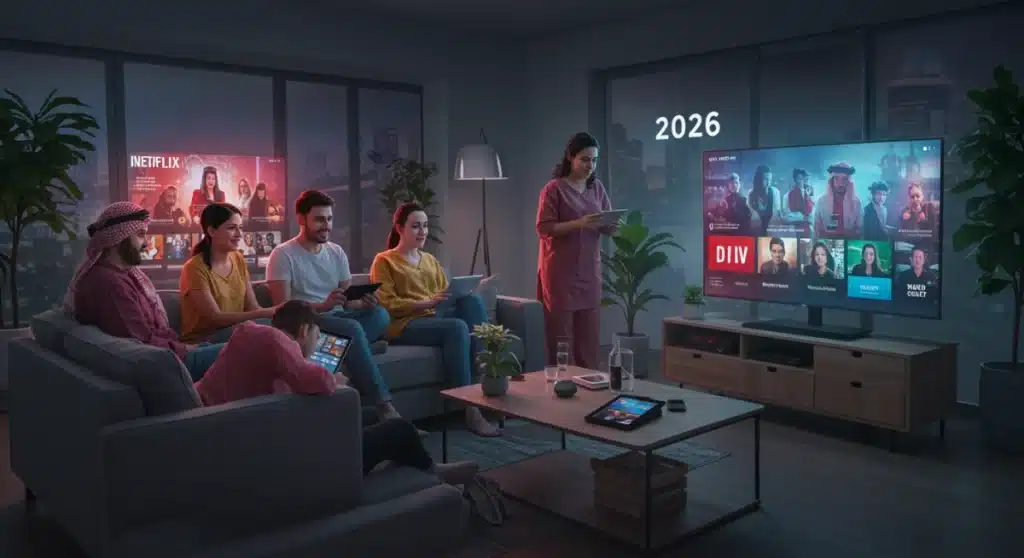
In 2026, the streaming cultural impact has transcended simple entertainment, evolving into a dominant force that dictates global trends. These digital platforms now serve as the primary architects of our shared social reality and diverse storytelling.
This new era of on-demand media has dismantled traditional barriers, allowing authentic representation to flourish while simultaneously disrupting legacy financial structures. The shift from cable to cloud is no longer a trend; it is a total creative revolution.
By analyzing current power dynamics and fiscal pressures, we can decode how these algorithm-driven giants shape modern identity. Explore how the balance between artistic influence and economic viability is being recalibrated for a global audience.
The Evolving Landscape of Cultural Representation on Streaming Platforms
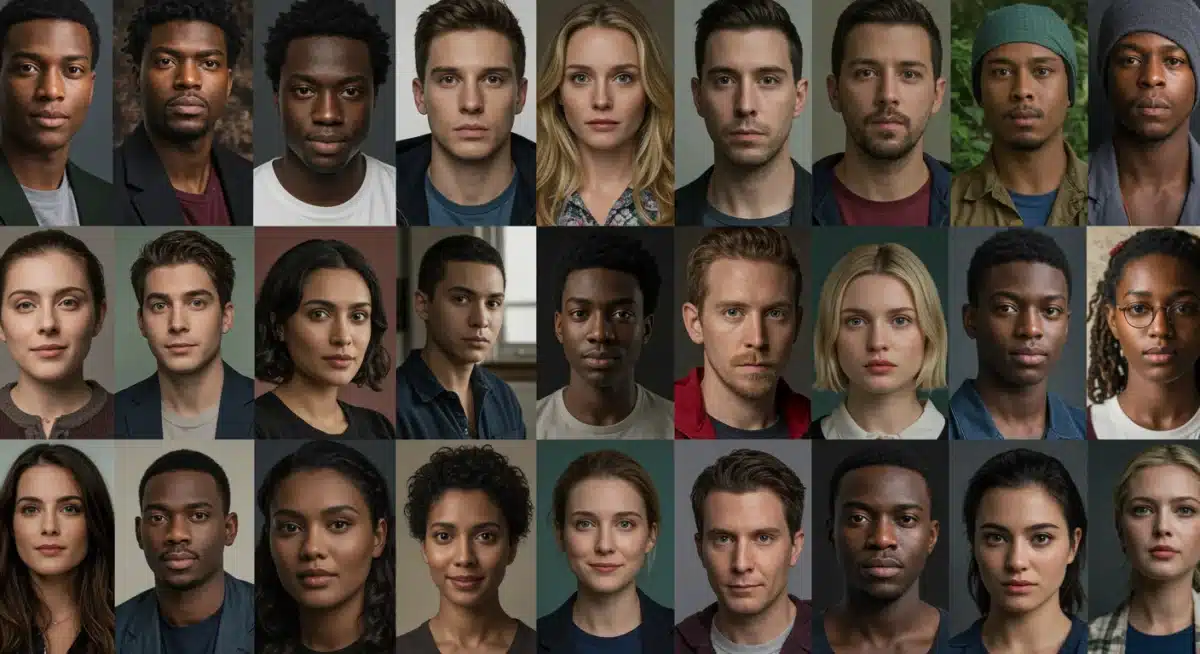
Streaming services have become pivotal in diversifying cultural narratives, offering platforms for stories previously marginalized by traditional media.
By 2026, the push for authentic representation has intensified, with audiences demanding content that reflects a broader spectrum of human experiences. This evolution is not merely a trend but a foundational shift in how cultural identities are portrayed and perceived globally.
This increased visibility has profound implications for social understanding and empathy, breaking down stereotypes and fostering a more inclusive media environment.
The streaming cultural impact is undeniable, as these platforms actively seek out and promote content from various cultural backgrounds. This commitment extends to both on-screen talent and behind-the-scenes creators, striving for a more equitable industry.
However, the journey towards truly equitable representation remains ongoing, with challenges in ensuring consistent and meaningful portrayal across all genres and regions.
Critics argue that while progress is evident, tokenism and superficial diversity still persist in some productions. The industry faces continued pressure to move beyond surface-level representation to genuinely integrate diverse perspectives into storytelling.
Amplifying Underrepresented Voices
Streaming platforms have actively sought out and funded projects from creators belonging to historically underrepresented groups, leading to a surge in diverse content.
This proactive approach has provided opportunities for narratives that might not have found a home in traditional broadcast models. The result is a richer, more varied tapestry of stories available to a global audience, directly impacting cultural discourse.
This commitment to diverse storytelling is not just about social responsibility; it’s also a strategic business decision. Audiences worldwide are increasingly gravitating towards content that authentically reflects their experiences and identities.
The financial success of many culturally specific shows underscores this demand, demonstrating that inclusivity is profitable.
As of 2026, the emphasis on authenticity has led to more nuanced portrayals of complex cultural identities, moving beyond simplistic stereotypes. This shift encourages deeper engagement and fosters a more informed global citizenry.
The streaming cultural impact on this front is transformative, enabling a broader understanding of diverse human experiences.
- Platforms are investing heavily in content from diverse creators globally.
- Success stories of shows with specific cultural narratives are driving further investment.
- Challenges remain in ensuring consistent and meaningful representation across all content.
Challenging Traditional Narratives and Stereotypes
The global reach of streaming services allows diverse narratives to bypass traditional gatekeepers and reach audiences directly, challenging long-held stereotypes.
This direct access empowers creators to tell stories on their own terms, free from some of the commercial pressures and demographic targeting of traditional television. Consequently, audiences are exposed to a wider array of perspectives.
By presenting complex characters and storylines that defy conventional portrayals, streaming content contributes to a more sophisticated understanding of different cultures and communities.
This directly counters the often one-dimensional representations prevalent in older media. The ability to binge-watch entire seasons also allows for deeper character development and narrative exploration.
The impact is particularly significant in regions where local media might be more restrictive or less diverse in its offerings. Streaming platforms provide a window to global cultures, fostering a sense of shared humanity while celebrating unique cultural identities.
This global exchange is a cornerstone of the evolving streaming cultural impact.
Financial Impact on Content Creation: A 2026 Perspective
The financial landscape of content creation has been dramatically reshaped by the advent and dominance of streaming services, presenting both unprecedented opportunities and significant challenges.
By 2026, the industry has largely adapted to a model characterized by massive investments, intense competition, and a constant demand for fresh, high-quality content. This shift has profound implications for studios, independent creators, and the overall economic health of the entertainment sector.
Streaming giants pour billions into original programming, driving up production costs and talent fees, which in turn strains the budgets of smaller production houses.
The need to maintain subscriber growth necessitates a continuous pipeline of engaging new shows and films. This creates a highly competitive environment where platforms are constantly bidding for exclusive content and top-tier creative talent.
While this investment has fueled a golden age of television and film, it also raises questions about long-term sustainability and the concentration of power within a few dominant players.
The streaming cultural impact is thus intertwined with its financial repercussions, as economic pressures directly influence the types of stories that get told and the resources allocated to them. The financial models are still evolving, leading to a dynamic and sometimes volatile market.
Increased Production Budgets and Talent Demand
The fierce competition among streaming services for subscriber attention has led to an exponential increase in production budgets for original content.
This financial injection allows for higher production values, more ambitious storytelling, and the ability to attract top-tier directors, writers, and actors. Consequently, the overall quality of streamed content has seen a noticeable uplift.
However, this demand also inflates talent fees and crew salaries, making it increasingly difficult for independent studios or smaller production companies to compete.
The financial dominance of major streaming players means they can outbid traditional networks and smaller distributors for sought-after projects. This trend, observed leading up to 2026, centralizes creative power and resources.
While beneficial for those directly involved in high-budget productions, it creates a challenging environment for emerging talent and independent voices seeking funding.
The streaming cultural impact here is a double-edged sword, fostering quality but potentially limiting entry for those without significant backing. The economic implications are far-reaching for the industry’s ecosystem.
- Production budgets for streaming originals have reached unprecedented levels.
- Competition for top talent has driven up salaries and creative fees.
- Smaller studios face challenges competing with the financial might of streaming giants.
The Rise of Global Co-Productions and Local Content
To cater to diverse global audiences and optimize financial investments, streaming services have increasingly embraced international co-productions and invested heavily in local language content.
This strategy allows platforms to tap into regional markets, create culturally specific narratives, and share production costs, expanding their global footprint. By 2026, this has become a cornerstone of their content strategy.
This focus on local content not only resonates deeply with regional audiences but also provides a vital platform for local creators and industries to showcase their talent on a global stage.
Shows produced in countries like South Korea, Spain, and Germany have achieved massive international success, demonstrating the universal appeal of well-crafted stories, regardless of language. This trend highlights a significant aspect of the streaming cultural impact.
The financial benefits are clear: reduced production costs through partnerships and increased subscriber acquisition in new territories.
This model fosters cross-cultural collaboration and enriches the global content library, providing viewers with an unparalleled variety of storytelling. This strategic shift is redefining how international content is both produced and consumed worldwide.
Influence on Storytelling Formats and Audience Engagement
Streaming services have profoundly altered storytelling formats and intensified audience engagement, moving beyond the traditional episodic structures of linear television.
The freedom from fixed schedules and commercial breaks allows for more complex narratives, longer arcs, and experimental storytelling techniques. This shift empowers creators to craft stories in ways previously unfeasible, directly shaping the streaming cultural impact.
The ‘binge-watching’ phenomenon, a hallmark of streaming consumption, encourages viewers to immerse themselves deeply in narratives, fostering a different kind of audience loyalty.
This consumption pattern influences how writers structure their seasons, often leading to serialized dramas that prioritize continuous engagement over standalone episodes. The interactive elements and personalized recommendations further deepen this connection.
However, this intense engagement also comes with challenges, including the pressure to constantly deliver new content to prevent subscriber churn.
The fragmented attention economy means platforms must continually innovate to capture and retain viewers. The influence on storytelling extends to how diverse narratives are presented and absorbed by a global audience.
The Rise of Binge-Watching and Narrative Depth
The ability to watch entire seasons of a show at once has fundamentally changed how audiences consume stories and how creators craft them.
Binge-watching fosters a deeper immersion into narrative worlds and character arcs, allowing for more intricate plots and nuanced character development. This contrasts sharply with the week-to-week consumption of traditional television, where each episode often needed to stand alone.
This consumption model encourages writers to design narratives with continuous hooks and cliffhangers, ensuring viewers remain engaged from one episode to the next.
The focus shifts from individual episode resolution to the overarching story, leading to more cinematic and novelistic approaches to television. The streaming cultural impact here is about fostering a more sophisticated narrative palette.
As of 2026, this trend continues to evolve, with platforms experimenting with different release strategies, including hybrid models. However, the core principle of allowing viewers control over their consumption remains a powerful driver of engagement.
This freedom has unleashed a new era of creative storytelling, pushing the boundaries of what television can achieve.
Interactive Content and Personalized Experiences
Streaming services are increasingly exploring interactive content, allowing viewers to make choices that influence the storyline, thus creating a personalized and immersive experience.
This innovative approach blurs the lines between viewer and participant, offering a novel way to engage with narratives. These experiments indicate a future where audience agency is paramount.
Personalized recommendation algorithms, a core feature of all major streaming platforms, tailor content suggestions based on individual viewing habits.
While enhancing user experience, this also shapes individual cultural exposure, potentially creating ‘filter bubbles’ where viewers are primarily shown content similar to what they already consume. The streaming cultural impact on individual media diets is significant.
By 2026, the refinement of these algorithms continues, aiming for a balance between personalized comfort and the discovery of new, diverse content.
The goal is to keep viewers engaged while subtly broadening their horizons. The interplay between technology and storytelling is constantly evolving, promising even more innovative forms of narrative engagement in the years to come.
Challenges in Maintaining Quality Amidst Content Volume
The relentless demand for new content to attract and retain subscribers poses a significant challenge for streaming services in maintaining consistent quality. The sheer volume of productions can sometimes lead to a dilution of creative focus and resources.
By 2026, platforms grapple with balancing quantity with the high standards audiences have come to expect, directly influencing the streaming cultural impact.
This pressure to constantly produce means that some projects may be rushed, or creative teams stretched thin, potentially compromising the artistic integrity or execution.
The ‘churn and burn’ model of content creation, where shows are quickly greenlit and then cancelled, can also impact creator morale and long-term creative development. This dynamic creates a complex environment for sustained excellence.
Furthermore, the abundance of choice can overwhelm viewers, making it harder for high-quality, niche content to find its audience amidst the deluge.
Curatorial efforts become crucial, but even then, the sheer scale of content presents an ongoing hurdle. The industry is actively seeking sustainable models that prioritize both quantity and uncompromising quality.
The Future of Independent Content and Niche Markets
Despite the dominance of major streaming players, there is a growing space for independent content and niche markets, often facilitated by smaller, specialized platforms.
These services cater to specific audiences with unique interests, offering an alternative to the broad appeal of the giants. By 2026, this segmentation is becoming more pronounced, allowing for greater diversity in storytelling.
Independent creators find innovative ways to fund and distribute their work, leveraging crowdfunding, direct-to-consumer models, and partnerships with boutique streaming channels.
This ecosystem fosters experimentation and provides a vital counter-narrative to mainstream productions. The streaming cultural impact extends to empowering these independent voices, ensuring a rich and varied media landscape.
The challenge for these smaller players lies in visibility and marketing, competing for attention in a crowded market. However, their ability to connect deeply with dedicated fan bases provides a sustainable model.
The future suggests a hybrid landscape where major platforms coexist with vibrant, specialized services, each contributing to the evolving cultural narrative.
Regulatory Scrutiny and Ethical Considerations
As streaming services wield increasing influence over cultural narratives and economies, they face growing regulatory scrutiny and ethical considerations from governments and public advocacy groups.
Issues such as data privacy, content moderation, algorithmic bias, and market dominance are at the forefront of these discussions. By 2026, these concerns are driving calls for greater transparency and accountability.
Governments worldwide are examining how to regulate these global entities to ensure fair competition, protect local content industries, and address potential social harms.
The cross-border nature of streaming makes regulation complex, often requiring international cooperation to establish effective frameworks. This increased oversight is a direct response to the expanding streaming cultural impact.
Ethical debates also center on the responsibility of platforms to promote diverse and inclusive content, combat misinformation, and protect vulnerable audiences from harmful material.
These discussions highlight the significant societal role that streaming services now play, moving beyond mere entertainment providers to cultural gatekeepers. The industry must navigate these complex waters carefully.
Global Reach and Local Impact of Streaming Narratives
The global reach of streaming services means that narratives originating in one culture can rapidly gain popularity and influence audiences across the world.
This unprecedented cross-cultural exchange has a profound local impact, introducing new perspectives and challenging traditional norms. By 2026, this phenomenon has become a defining characteristic of the entertainment landscape.
While this global exchange fosters greater understanding and appreciation of diverse cultures, it also raises questions about cultural homogenization or the dominance of certain narratives.
Local creators and cultural institutions often grapple with how to maintain distinct identities amidst a flood of internationally produced content. The streaming cultural impact is thus a complex interplay of global and local forces.
Conversely, the investment in local language content by major streamers empowers regional industries and allows them to export their cultural products globally.
This two-way street enriches the global media ecosystem, creating a dynamic environment where local stories gain international resonance. The balance between global appeal and local authenticity remains a key area of focus for platforms and creators alike.
Technological Innovations Driving Narrative Evolution
Technological innovations continue to drive the evolution of narrative possibilities on streaming platforms, from advanced visual effects to immersive sound design and personalized viewing experiences.
High-definition formats, virtual reality integration, and AI-driven content generation are pushing the boundaries of storytelling. By 2026, these advancements are becoming more mainstream, enhancing the streaming cultural impact.
Improved bandwidth and device capabilities enable higher fidelity content, allowing creators to realize more ambitious cinematic visions directly in viewers’ homes.
The integration of spatial audio and haptic feedback further immerses audiences, creating a more visceral connection to the narrative. These technological leaps are not just about spectacle but about deepening the emotional and cognitive engagement with stories.
Moreover, AI is beginning to play a role in content recommendation, production efficiency, and even script development, though its creative application remains a subject of debate.
The synergy between technology and artistic expression promises a future where storytelling is more interactive, personalized, and visually stunning than ever before. This constant innovation is a hallmark of the streaming era.
| Key Aspect | 2026 Overview |
|---|---|
| Cultural Representation | Increased diversity and authenticity in narratives, challenging traditional stereotypes. |
| Financial Landscape | Billions invested in original content, driving up production costs and talent demand. |
| Storytelling Formats | Shift to binge-watching, narrative depth, and emerging interactive content. |
| Global-Local Dynamics | Expansion of global co-productions and local content resonating internationally. |
Frequently Asked Questions About Streaming’s Cultural Influence
Streaming services are actively amplifying underrepresented voices and funding diverse projects, leading to more authentic portrayals of various cultures. This challenges traditional stereotypes by providing platforms for a wider array of narratives to reach global audiences, fostering greater understanding and empathy across different communities worldwide.
By 2026, the financial impact includes massive investments in original content, driving up production budgets and talent fees. This creates intense competition and opportunities for global co-productions, but also strains smaller studios. The focus remains on subscriber growth, necessitating continuous high-quality content output and evolving economic models.
Streaming has popularized binge-watching, enabling deeper narrative arcs and complex character development. It allows creators to experiment with non-linear storytelling and interactive content, moving beyond traditional episodic structures. This freedom from fixed schedules fosters a more immersive and engaging viewing experience, influencing how stories are conceived and consumed globally.
Yes, independent creators are finding new avenues through niche streaming platforms and direct-to-consumer models, though competing with major players remains a challenge. These specialized services allow for experimental and culturally specific content that might not find a home on larger platforms, thus fostering a diverse and vibrant independent content ecosystem.
Streaming services face increasing scrutiny over data privacy, content moderation, algorithmic bias, and market dominance. There are growing calls for greater transparency and accountability regarding their societal influence. Ethical debates also cover their responsibility to promote diverse content and combat misinformation, navigating complex regulatory landscapes worldwide.
Looking Ahead
The profound and multifaceted streaming cultural impact continues to redefine entertainment, societal norms, and economic structures within the creative industries.
As we move beyond 2026, the ongoing developments in representation, financial models, and technological innovation will remain critical areas of focus.
Stakeholders must continue to adapt to evolving audience demands and regulatory pressures, ensuring that the opportunities presented by streaming are maximized while mitigating potential challenges.
The dynamic interplay between global reach and local authenticity will shape the next generation of cultural narratives, demanding vigilance and proactive engagement from all involved.