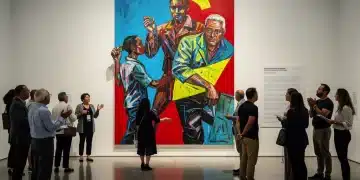
Memorials and Monuments: Historical Representation Shifts in 2026
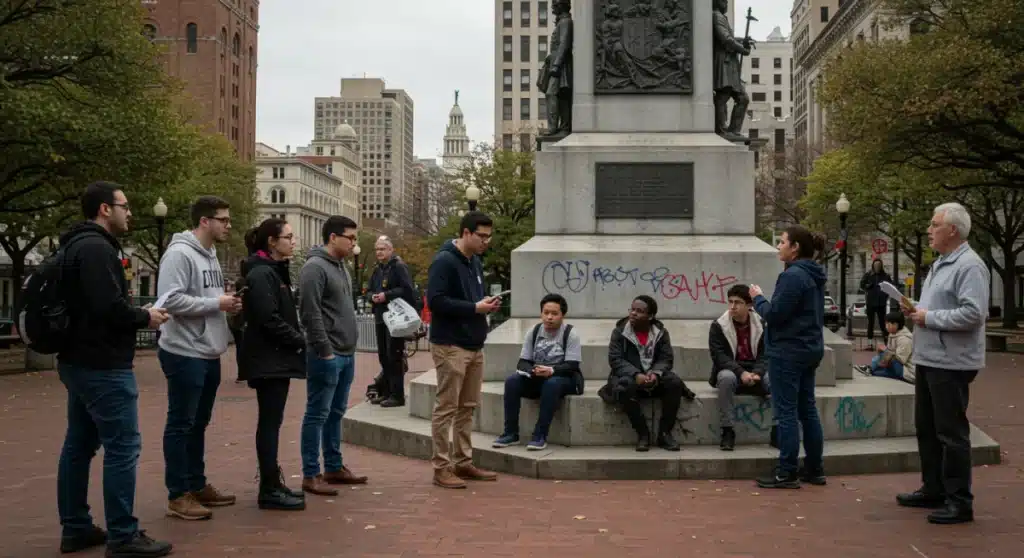
The way we anchor history in public spaces is undergoing a radical transformation, as the debate over Memorials and Monuments reaches a fever pitch in 2026.
These stone and bronze narratives are no longer seen as static relics, but as active participants in a shifting national identity.
Across the United States, traditional commemorative structures are being challenged by more fluid, inclusive forms of tribute. This modern wave of civic art prioritizes marginalized voices, often replacing old-world symbols with dynamic installations that reflect a pluralistic society.
As we navigate this period of intense cultural re-evaluation, understanding these aesthetic and political pivots is essential. We are witnessing a historic recalibration of collective memory that will define the American landscape for the next century.
The Shifting Landscape of Historical Representation in 2026
The year 2026 marks a pivotal moment in the ongoing debate surrounding historical representation, particularly concerning public memorials and monuments across the United States.
Public opinion is undergoing significant shifts, driven by evolving societal values and a renewed focus on historical accuracy and inclusivity.
This dynamic environment is leading to unprecedented challenges and opportunities for communities tasked with preserving or re-evaluating their historical markers.
The struggle over Memorials and Monuments reflects deeper societal conversations about national identity and collective memory.
Understanding these shifts requires a time-sensitive analysis, as public sentiment can change rapidly, influencing policy decisions and community actions.
The discourse extends beyond mere aesthetics, delving into fundamental questions of who is honored and why, directly impacting the future of public spaces.
Public Opinion Dynamics: A Closer Look at 2026 Trends
Recent polls and sociological studies conducted in early 2026 reveal a complex tapestry of public sentiment regarding historical monuments.
A significant portion of the population now advocates for recontextualization or removal of monuments deemed offensive or misrepresentative of history.
Conversely, a substantial segment emphasizes the importance of preserving historical artifacts, even those linked to controversial figures, for educational purposes and to acknowledge the past. This divergence in views fuels much of the current struggle over Memorials and Monuments.
The generational divide is particularly pronounced, with younger demographics generally more inclined towards re-evaluating historical narratives presented in public spaces.
This trend suggests that the pressure for change will likely continue to mount in the coming years, shaping the future of public art and historical commemoration.
Generational Divides and Advocacy for Change
Younger generations, particularly Gen Z and millennials, are at the forefront of advocating for more inclusive and accurate historical representation. Their engagement often leverages social media and grassroots movements to bring attention to problematic monuments.
These groups are not merely calling for removal but often propose alternative forms of commemoration that reflect a broader, more nuanced understanding of history. Their activism is a key driver in the ongoing struggle over Memorials and Monuments.
- Increased calls for contextualization through interpretive plaques or digital resources.
- Proposals for new monuments honoring underrepresented communities.
- Organized protests and petitions demanding the removal of controversial statues.
Preservationist Arguments and Historical Context
On the other side of the debate, preservationist groups argue that removing monuments erases history, regardless of how contentious it may be. They advocate for retaining these structures as tangible links to the past.
Many suggest that instead of removal, efforts should focus on adding educational context to these sites, allowing for a more comprehensive understanding of their origins and the historical periods they represent. This perspective is vital in the ongoing struggle over Memorials and Monuments.
The core of their argument often revolves around the idea that history, in its entirety, should be confronted and learned from, rather than selectively forgotten or revised. This approach seeks to foster dialogue around complex historical legacies.
Legal and Policy Challenges in Monument Re-evaluation
The process of re-evaluating or altering historical monuments is fraught with legal and policy complexities. Jurisdictions across the country grapple with varying statutes concerning historical preservation, public property, and free speech.
Many states have laws protecting historical markers, making their removal or significant alteration a cumbersome legal battle that can span years. These legal hurdles often slow down or entirely halt attempts to address concerns about historical representation.
Furthermore, funding for such projects, whether for removal, relocation, or recontextualization, often becomes a point of contention, adding another layer of difficulty.
The legal landscape significantly impacts the pace and direction of the struggle over Memorials and Monuments.
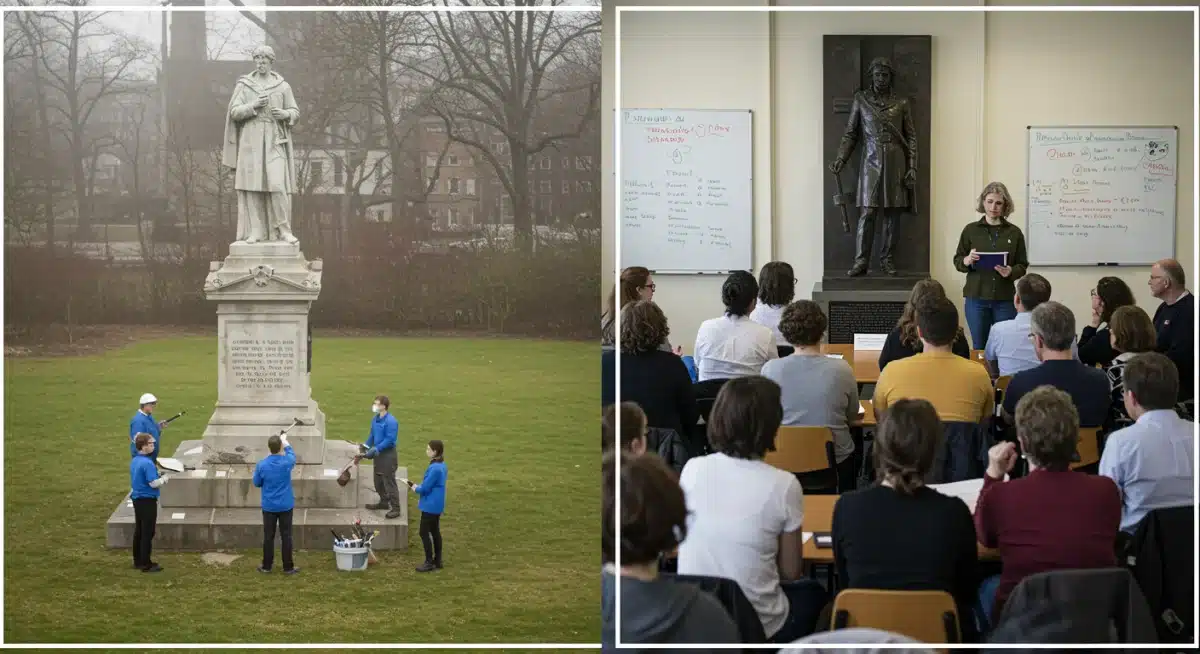
Case Studies: Cities Leading the Charge and Facing Backlash
Several cities have become focal points in the national discussion surrounding historical monuments, showcasing both successful re-evaluations and intense public backlash. Charleston, Virginia, and New Orleans, Louisiana, serve as prominent examples.
In some instances, communities have successfully navigated the contentious process, reaching compromises that involve relocation to museums or the addition of explanatory plaques.
These successes often stem from extensive community engagement and leadership willing to mediate diverse viewpoints.
However, other attempts have met with fierce resistance, leading to stalemates, protests, and even legal challenges, underscoring the deep divisions within society on these issues. The outcomes in these cities significantly inform the broader struggle over Memorials and Monuments.
Charleston’s Approach to Recontextualization
Charleston, South Carolina, has been a significant site for discussions on Confederate monuments, reflecting a broader regional struggle. The city has explored various strategies, including adding interpretative signage to provide a more comprehensive historical context.
This approach aims to acknowledge the historical significance of the monuments while also addressing the pain and controversy they evoke for many residents. The discussions in Charleston highlight the complexities of balancing historical preservation with modern sensibilities.
The city’s ongoing efforts demonstrate a commitment to fostering dialogue and finding solutions that reflect its diverse community, setting a precedent for other municipalities facing similar challenges in the struggle over Memorials and Monuments.
New Orleans: Monument Removals and Their Aftermath
New Orleans took a more direct approach, controversially removing several prominent Confederate monuments in 2017, a move that sparked nationwide debate.
The city council voted to remove four statues, citing their divisive nature and their celebration of figures associated with white supremacy.
The removal process was met with both widespread approval from civil rights advocates and strong condemnation from preservationist and heritage groups. The aftermath saw renewed discussions about the role of public art and historical memory in a diverse urban landscape.
- Four prominent Confederate monuments removed.
- Decision driven by city council vote and public advocacy.
- Sparked national debate on historical revisionism versus progress.
The Role of Education and Digital Platforms in Shaping Narratives
Education plays a crucial role in shaping public understanding and opinion regarding historical monuments. Museums, historical societies, and educational institutions are increasingly curating exhibits that offer more nuanced perspectives on contested histories.
Digital platforms, including augmented reality apps and interactive websites, are also emerging as powerful tools for recontextualizing monuments without physically altering them.
These platforms can overlay historical information, diverse perspectives, and even virtual removals onto existing sites.
This digital-first approach offers a less confrontational yet highly effective way to engage the public in discussions about historical representation. These initiatives are becoming integral to addressing the struggle over Memorials and Monuments.
Future Trends: What to Expect in Historical Commemoration
Looking ahead, several trends are likely to shape the future of historical commemoration. There’s a growing movement towards creating new, inclusive memorials that celebrate diverse histories and less-recognized heroes.
Expect to see more temporary art installations and digital projections used to provoke thought and facilitate public dialogue around historical events. These ephemeral forms of commemoration offer flexibility and can respond more quickly to evolving public sentiments.
Furthermore, increased collaboration between artists, historians, and community leaders will be essential in developing meaningful and broadly accepted forms of remembrance. This collaborative spirit will be key in navigating the ongoing struggle over Memorials and Monuments.
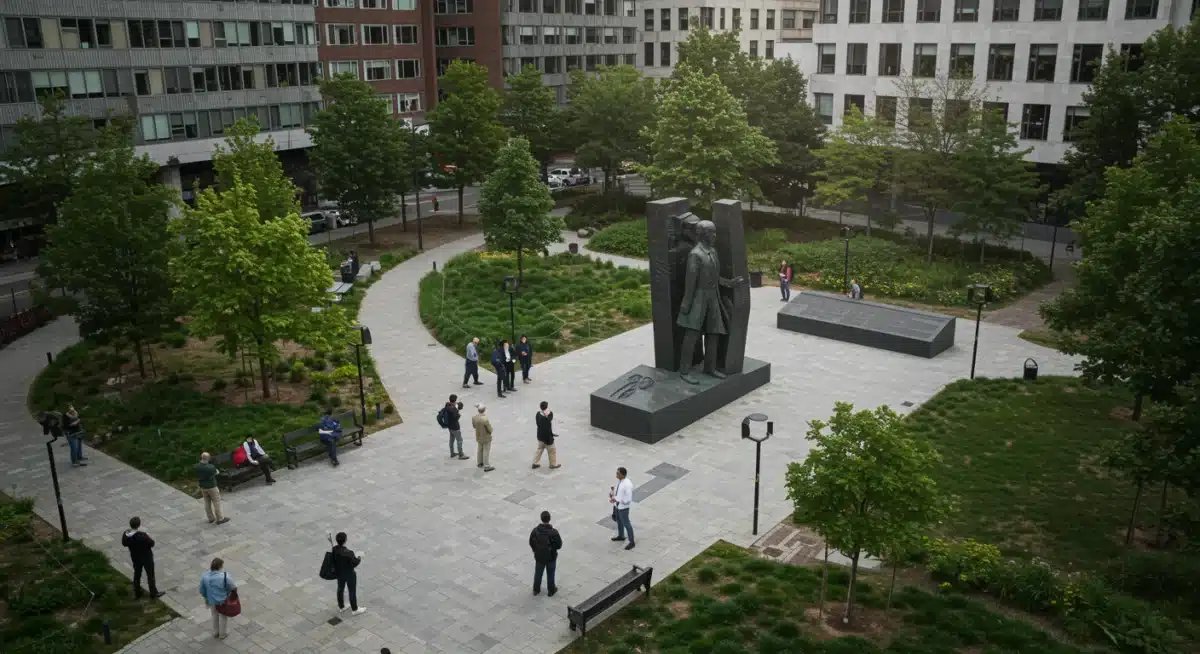
Community Engagement: Building Consensus and Resolving Conflict
Effective community engagement is paramount in resolving conflicts surrounding historical monuments. Open dialogues, public forums, and collaborative workshops are vital for understanding diverse perspectives and fostering consensus.
When communities feel heard and involved in decision-making processes, the likelihood of finding mutually agreeable solutions increases significantly. This inclusive approach helps to bridge divides and mitigate potential backlash.
Mediated discussions, led by neutral facilitators, can also play a critical role in guiding communities through sensitive conversations about their shared history and future commemorative practices. Such engagement is crucial for addressing the nuances of Memorials and Monuments.
The Power of Dialogue in Contested Public Spaces
Dialogue provides a platform for different groups to express their viewpoints, share their historical interpretations, and acknowledge the emotional impact of certain monuments. This humanizes the debate, moving beyond abstract arguments.
Successful dialogue often leads to creative solutions that might not have been considered otherwise, such as the creation of parallel monuments or the repurposing of existing sites. It transforms conflict into an opportunity for collective growth and understanding.
By prioritizing conversation, communities can work towards a more accurate and equitable representation of history in their public spaces, directly influencing the future of Memorials and Monuments.
- Facilitated public forums to discuss monument futures.
- Workshops for co-creating new historical narratives.
- Surveys and polls to gauge community sentiment effectively.
The Economic and Social Impact of Monument Debates
The debates surrounding historical monuments have significant economic and social repercussions for communities. Tourism, local economies, and civic pride can all be affected by how these issues are managed.
Controversies can deter visitors, impact property values, and create social unrest, diverting resources that could otherwise be used for community development. Conversely, thoughtful recontextualization or creation of new memorials can attract cultural tourism and foster social cohesion.
The long-term social fabric of a community is also deeply intertwined with how it chooses to represent its past. Addressing the struggle over Memorials and Monuments is not just about history, but about the present and future well-being of its citizens.
| Key Aspect | Brief Description |
|---|---|
| Public Opinion Shifts | Evolving views on historical accuracy and inclusivity of monuments. |
| Legal Challenges | Complex statutes protect historical markers, complicating removal/alteration. |
| Community Engagement | Crucial for consensus-building and resolving conflicts over monuments. |
| Future Trends | Focus on new, inclusive memorials and digital recontextualization. |
Frequently Asked Questions About Historical Representation in 2026
The current struggle is defined by a dynamic tension between preserving existing historical narratives and calls for more inclusive, accurate representation. Public opinion shifts are driving debates on monument removal, recontextualization, and the creation of new memorials that reflect diverse histories in 2026.
Public opinion shifts directly influence policy decisions regarding monuments, with increasing pressure on local governments to address controversial historical markers. These shifts, particularly among younger demographics, are accelerating the re-evaluation of public spaces and historical narratives across the U.S. in 2026.
Altering historical monuments faces significant legal challenges due to state preservation laws and varying interpretations of public property regulations. These legal complexities often result in prolonged disputes, making the process of removal or recontextualization difficult and resource-intensive for municipalities throughout 2026.
Education is a crucial tool for resolving monument controversies by fostering a more nuanced understanding of history. Museums, digital platforms, and educational programs offer alternative ways to engage with complex pasts, providing context and diverse perspectives without always resorting to physical alteration of monuments in 2026.
Future trends indicate a move towards creating new, inclusive memorials, utilizing temporary art installations, and leveraging digital technologies for recontextualization. Increased collaboration between various stakeholders is expected to shape more meaningful and broadly accepted forms of historical remembrance in 2026 and beyond.
What Happens Now
The ongoing struggle over Memorials and Monuments is not merely a historical debate but a live issue with profound implications for contemporary society.
Communities must continue to engage in open dialogue, balancing historical preservation with the imperative for inclusive representation.
The decisions made in 2026 will set precedents for how future generations interact with and interpret their shared past. Expect continued legal challenges, innovative educational approaches, and evolving public discourse as this critical conversation unfolds.