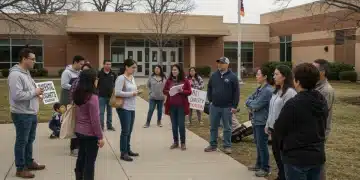
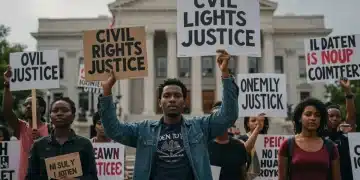
Religious Freedom vs. LGBTQ+ Rights: Navigating the Legal and Social Battlegrounds in 2026
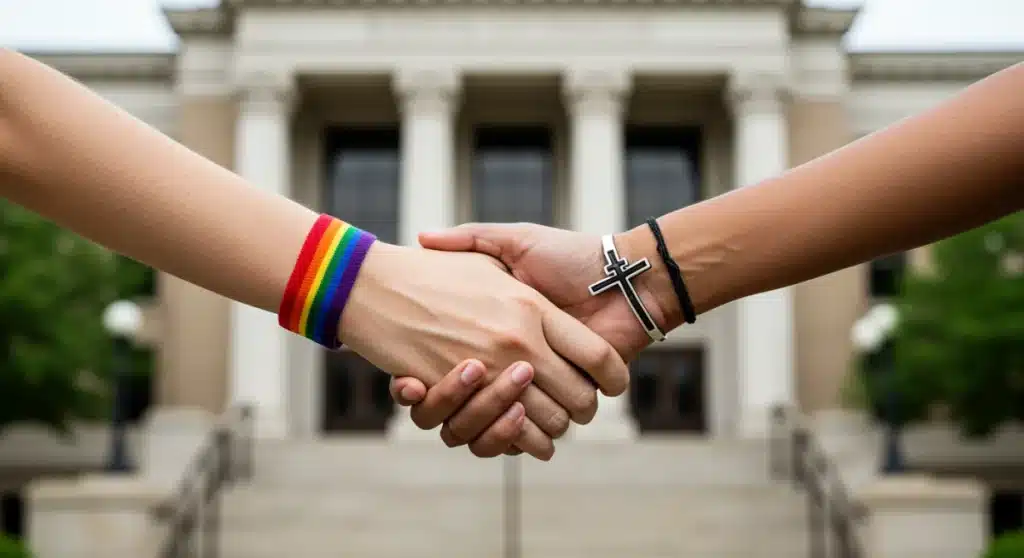
As we navigate the complex landscape of 2026, the friction between Religious Freedom vs. LGBTQ+ Rights has reached a critical tipping point.
This year, landmark Supreme Court cases like Chiles v. Salazar are testing the limits of First Amendment protections against state-level equality mandates.
Beyond the high court, a surge of legislative activity is redefining the boundaries of “sincerely held beliefs” in schools and healthcare. From bathroom access disputes to parental opt-outs from inclusive curricula, these legal skirmishes are reshaping the daily lives of millions of Americans.
Understanding these shifting battlegrounds is essential for staying informed on the future of civil liberties. Dive into the latest updates on key rulings, evolving state statutes, and the human stories behind the docket as we analyze what’s next for this defining social conflict.
The Evolving Landscape of Religious Freedom and LGBTQ+ Rights in 2026
The intersection of religious freedom and LGBTQ+ rights remains one of the most contentious and rapidly evolving legal and social issues in the United States. As 2026 unfolds, new cases and legislative efforts are continuously redefining the boundaries of these fundamental rights.
This dynamic environment requires close observation, as court decisions and public discourse directly influence the daily lives of millions. Understanding the nuances of these debates is crucial for informed citizenship and effective advocacy.
The legal and social battlegrounds are diverse, ranging from employment discrimination and public accommodations to freedom of speech and educational policies. Each new development adds complexity to an already intricate legal framework.
Key Supreme Court Decisions Shaping the Debate
The Supreme Court of the United States has consistently played a pivotal role in delineating the scope of both religious freedom and LGBTQ+ rights. Its rulings often set national precedents, influencing lower courts and state legislatures alike.
In 2026, several cases are anticipated to reach or be influenced by the Supreme Court, particularly those involving the application of existing anti-discrimination laws against claims of religious exemption.
These decisions will undoubtedly have far-reaching implications for Religious Freedom vs. LGBTQ+ Rights.
The Court’s composition and interpretive philosophies significantly impact how these sensitive issues are resolved, making each new term a critical period for civil rights advocates and religious organizations.
Current Legal Challenges and Their Potential Impact
Presently, numerous cases are winding through federal and state court systems, challenging the balance between these two sets of rights.
These challenges often involve individuals or businesses asserting religious beliefs to justify actions that LGBTQ+ individuals perceive as discriminatory.
The outcomes of these cases will determine how broadly religious exemptions can be applied in public life, particularly in areas such as employment, housing, and access to goods and services. The legal landscape for Religious Freedom vs. LGBTQ+ Rights is highly fluid.
- Cases challenging public accommodations for religious businesses.
- Lawsuits concerning religious organizations’ hiring practices.
- Disputes over healthcare providers’ religious objections to specific treatments.
Legislative Efforts and State-Level Engagements
Beyond the courts, legislative bodies at both federal and state levels are actively engaged in shaping laws related to religious freedom and LGBTQ+ rights. These legislative battles often reflect the deeply divided political and social opinions across the nation.
State legislatures, in particular, have become key arenas for these debates, with some states enacting protections for LGBTQ+ individuals and others passing laws that expand religious exemptions.
This patchwork of laws creates significant legal inconsistencies and challenges for individuals and businesses operating across state lines.
The interplay between federal and state laws is a critical aspect of Religious Freedom vs. LGBTQ+ Rights, as federal mandates often clash with state-level religious freedom restoration acts (RFRAs).
Social Activism and Advocacy in the Modern Era
The legal battles are often paralleled by robust social activism and advocacy from both sides of the debate. Grassroots movements, national organizations, and individual activists play crucial roles in raising awareness, influencing public opinion, and lobbying lawmakers.
These social movements underscore the deeply personal and communal significance of these issues, transforming abstract legal principles into tangible concerns for everyday Americans. The strength of these movements often dictates the pace and direction of legal and legislative change.
Digital platforms have amplified these voices, allowing for rapid mobilization and widespread dissemination of information, making social media a significant battleground for public perception regarding Religious Freedom vs. LGBTQ+ Rights.
The Role of Public Opinion and Media Coverage
Public opinion polls consistently show evolving attitudes towards both religious freedom and LGBTQ+ rights, often reflecting generational and regional differences.
Media coverage plays a critical role in shaping these perceptions, presenting narratives that can either foster understanding or exacerbate divisions.
The way these issues are framed in the media significantly influences how the public perceives the legitimacy and urgency of various claims. Balanced and nuanced reporting is essential for a productive public discourse on Religious Freedom vs. LGBTQ+ Rights.
Misinformation and biased reporting can further polarize the debate, making it more challenging to find common ground or compromise solutions. Therefore, critical media literacy is paramount for citizens navigating these complex narratives.
Educational Institutions and Workplace Policies
Educational institutions and workplaces are increasingly becoming focal points for conflicts involving religious freedom and LGBTQ+ rights. Policies regarding student expression, curriculum content, and employee conduct often ignite intense debates.
These settings require delicate balancing acts to ensure inclusive environments while respecting individual beliefs. The development of clear, equitable policies is a continuous challenge for administrators and human resources departments.
The legal ramifications of these policies are significant, with cases frequently arising from disputes over dress codes, pronoun usage, and religious accommodations. The implications for Religious Freedom vs. LGBTQ+ Rights are profound in these everyday environments.
Challenges in Healthcare and Public Services
The healthcare sector and public services also present significant battlegrounds. Debates often center on the right of religious individuals or institutions to refuse services based on moral or religious objections, particularly in areas like reproductive health and gender-affirming care.
These disputes raise fundamental questions about access to essential services and the extent to which personal religious beliefs can impact professional duties. The resolution of these conflicts has direct consequences for vulnerable populations.
Policy makers are grappling with how to ensure universal access to care while upholding constitutional protections for religious exercise. This tension is central to the broader discussion of Religious Freedom vs. LGBTQ+ Rights.

International Perspectives and Global Influence
While the focus is primarily on the United States, it is important to acknowledge that the dynamics of religious freedom and LGBTQ+ rights are also playing out on a global stage. International human rights frameworks and the actions of other nations can sometimes influence domestic debates.
The United States often serves as a model or a cautionary tale for other countries grappling with similar issues, and international legal interpretations can provide valuable context. Global trends in human rights are increasingly interconnected.
Conversely, domestic decisions in the U.S. can have ripple effects internationally, influencing how other nations approach these sensitive topics. This global dialogue adds another layer of complexity to Religious Freedom vs. LGBTQ+ Rights.
Future Trends and Emerging Battlegrounds
Looking ahead to 2026 and beyond, several emerging trends and battlegrounds are likely to shape the ongoing debates. The increasing use of technology and artificial intelligence, for instance, could introduce new dimensions to privacy and discrimination concerns.
The evolving demographics of the United States, along with shifts in political alignments, will also continue to influence legislative priorities and judicial appointments. These factors will be critical in determining the future trajectory of these rights.
Furthermore, discussions around intersectionality—how various identities like race, religion, and sexual orientation overlap—will likely gain prominence, adding further complexity to the discourse on Religious Freedom vs. LGBTQ+ Rights.
| Key Point | Brief Description |
|---|---|
| Supreme Court Influence | Pivotal rulings continue to define the boundaries of both rights nationally. |
| State Legislative Battles | States are key arenas for new laws impacting religious exemptions and LGBTQ+ protections. |
| Social Activism Role | Grassroots movements and advocacy groups significantly influence public opinion and policy. |
| Workplace & Education | Policies in these sectors are frequent sources of legal and ethical conflicts. |
Frequently Asked Questions About Religious Freedom and LGBTQ+ Rights
The legal status is complex and constantly evolving, with federal protections for LGBTQ+ individuals often clashing with religious freedom claims. Supreme Court decisions and state laws create a varied landscape, making it difficult to provide a single, definitive answer. Cases challenging discrimination based on religious belief versus sexual orientation are ongoing.
State laws significantly impact the balance, as some states have enacted broad LGBTQ+ protections, while others have expanded religious freedom exemptions. This creates a patchwork of rights and responsibilities across the nation, leading to legal challenges and inconsistencies for individuals and businesses operating in different jurisdictions.
The Supreme Court acts as the ultimate arbiter, issuing landmark decisions that set national precedents. Its rulings on cases involving religious freedom and LGBTQ+ rights profoundly influence lower courts and legislative bodies, shaping the legal framework for years to come. The Court’s composition is thus highly relevant to these issues.
Yes, industries such as healthcare, education, and public accommodations (e.g., bakeries, florists, wedding venues) are frequently at the forefront of these conflicts. Disputes often arise when individuals or businesses claim religious exemptions from providing services to LGBTQ+ individuals, leading to legal battles over discrimination and access.
To stay informed, individuals should follow reliable news sources, legal analyses from reputable organizations, and updates from civil rights groups and religious advocacy organizations. Engaging with diverse perspectives and understanding the legal nuances is crucial for comprehending the ongoing developments in this complex area of law and society.
Looking Ahead: The Interplay of Rights and Public Life
The ongoing dialogue surrounding Religious Freedom vs. LGBTQ+ Rights will continue to be a defining feature of American society. The interplay between these fundamental rights impacts every facet of public life, from legal frameworks to social norms.
As new cases emerge and legislative efforts evolve, the balance will be continually re-evaluated, requiring persistent engagement from citizens, policymakers, and legal experts.
Understanding the complexities is not just an academic exercise but a necessity for navigating the future.
The outcomes of these battles will ultimately shape the inclusive nature of society and the extent to which all individuals can exercise their rights without infringing upon the legitimate freedoms of others. The journey towards a more equitable balance is far from over.