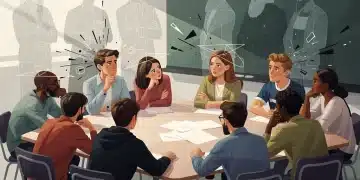
The Evolution of Cancel Culture: 2026 Accountability & Redemption

The landscape of digital justice has shifted significantly, moving beyond simple boycotts toward a nuanced Cancel Culture Evolution.
In 2026, the era of “one-strike” banishment is fading, replaced by a sophisticated ecosystem of social oversight that demands more than just a public apology.
This modern climate of online accountability prioritizes ethical consistency over performative outrage, forcing public figures to navigate a complex web of collective judgment.
As we analyze the current state of social purging, it becomes clear that the mechanics of institutional deplatforming have become both more precise and more demanding.
For those facing the heat of viral scrutiny, the focus has pivoted toward genuine restorative justice and sustainable paths to social reentry. We explore how the public eye now balances the scales between immediate consequences and the long-term potential for professional rehabilitation.
Understanding the 2026 Landscape of Cancel Culture
The year 2026 finds cancel culture less about immediate, irreversible ostracization and more about a complex process of public reckoning. Initial reactions remain swift, yet the conversation increasingly includes avenues for education and eventual re-integration.
This shift reflects a growing public fatigue with purely punitive outcomes and a desire for more constructive engagement.
Stakeholders are beginning to recognize the importance of distinguishing between genuine harm and minor missteps, fostering a climate where nuance is slowly gaining ground.
The current state of cancel culture evolution demands a re-evaluation of past approaches. It highlights the need for public figures to not only address past transgressions but also to demonstrate sustained commitment to change and growth.
Defining Nuance in Modern Public Scrutiny
Defining what constitutes a ‘cancellable’ offense has become increasingly complex, moving beyond simple outrage to consider intent, impact, and historical context.
Public opinion now often weighs the severity of actions against an individual’s subsequent response and efforts towards restitution.
This evolving definition requires public figures to engage in more sophisticated crisis management. It is no longer sufficient to issue a generic apology; genuine reflection and tangible actions are paramount in demonstrating a commitment to accountability.
- Public perception now distinguishes between malice and ignorance.
- Impact on affected communities holds greater weight in judgments.
- Historical patterns of behavior are increasingly scrutinized.
The distinction between a critique and a cancellation is also becoming clearer. Critics aim for dialogue and improvement, while cancel culture, at its most severe, seeks removal from public platforms. This differentiation informs how public figures should strategically respond.
The Shifting Sands of Accountability in 2026
Accountability in 2026 is no longer a static concept, but a dynamic, multi-faceted process that extends beyond a singular apology. It involves a continuous demonstration of understanding, learning, and active participation in restorative justice where appropriate.
Public figures are now expected to not only acknowledge their mistakes but also to actively engage in rectifying them, often through educational initiatives, community work, or advocacy for affected groups. This proactive stance is crucial for rebuilding trust and demonstrating genuine remorse.
This evolving framework of accountability significantly impacts how public figures manage their careers and public image. It underscores the importance of authenticity and sustained effort in navigating the complexities of cancel culture evolution.
Beyond Apologies: Tangible Steps Towards Restitution
A mere verbal apology, once a standard response, now often falls short of public expectations. Audiences demand concrete actions that reflect a deeper understanding of the harm caused and a commitment to preventing future transgressions.
This often involves financial contributions to relevant causes, participation in diversity and inclusion training, or even stepping back from public roles to undertake a period of reflection and education. These tangible steps are seen as indicators of sincerity.
- Financial reparations to affected communities or causes.
- Voluntary participation in educational programs.
- Mentorship or advocacy for marginalized groups.
For public figures, demonstrating a willingness to learn and grow publicly is key. This transparency in their journey towards restitution can transform a moment of crisis into an opportunity for personal and professional development, influencing the trajectory of cancel culture evolution.
Pathways to Redemption: A New Hope for Public Figures
The concept of redemption, once largely absent from the initial waves of cancel culture, is steadily gaining traction as a viable outcome. Society is slowly recognizing the potential for individuals to learn, grow, and contribute positively after making mistakes.
This emerging pathway to redemption emphasizes sustained effort, genuine contrition, and a demonstrable shift in behavior and perspective. It’s not an overnight process, but a long-term commitment that public figures must embrace to regain public favor and trust.
Navigating these pathways requires strategic planning and a deep understanding of public sentiment. It signals a more mature phase in the cancel culture evolution, where forgiveness and second chances are cautiously considered.
Rebuilding Trust Through Consistent Action
Rebuilding trust is a marathon, not a sprint, demanding consistent, authentic actions over an extended period. Public figures must demonstrate that their change is not merely performative but deeply ingrained in their values and future conduct.
This includes continuous engagement with their critics, a willingness to listen and learn, and visible support for causes aligned with their newfound understanding. Transparency about their journey, including setbacks, can further humanize the process.
- Sustained engagement with critics and affected parties.
- Visible and consistent support for relevant social causes.
- Openness about personal growth and challenges faced.
The public is increasingly astute at detecting insincerity. Therefore, any attempt at redemption must be rooted in genuine self-reflection and a commitment to long-term behavioral change, reflecting a critical aspect of cancel culture evolution.
The Role of Media and Social Platforms in 2026
The media and social platforms continue to be central to the dynamics of cancel culture, but their roles are also undergoing significant transformation. There’s a growing awareness of the power of these platforms to both amplify and mitigate public backlash.
Mainstream media outlets are increasingly adopting more measured reporting, focusing on factual accuracy and providing context rather than simply fueling outrage. This shift reflects a cautious approach to avoid becoming instruments of unfair or disproportionate condemnation.
Social media platforms, while still hotbeds of immediate reaction, are experimenting with features designed to encourage more thoughtful discourse and reduce the spread of misinformation, impacting the overall trajectory of cancel culture evolution.
Platform Policies and Moderation Efforts
Social media companies are under increasing pressure to implement robust moderation policies that balance free speech with the prevention of harassment and targeted abuse. This includes clearer guidelines on what constitutes harmful content and more efficient reporting mechanisms.
These policy changes aim to create safer online environments, which in turn can influence the intensity and duration of ‘cancellations.’ The goal is to foster platforms where accountability can be sought without descending into unchecked vitriol.
- Stricter enforcement of anti-harassment policies.
- Improved fact-checking to combat misinformation.
- Features promoting constructive dialogue over inflammatory comments.
The effectiveness of these moderation efforts directly impacts the fairness of public trials conducted online. As platforms evolve, so too will the mechanisms of public accountability and potential for redemption, further shaping the cancel culture evolution.
Proactive Strategies for Public Figures
In 2026, the best defense against cancel culture is a strong, proactive offense built on authenticity, transparency, and a commitment to ethical conduct. Public figures can no longer afford to be reactive; they must anticipate and address potential issues before they escalate.
This involves cultivating a genuine connection with their audience, understanding their values, and engaging in open dialogue. Proactive communication about personal values and any past learning experiences can build a reservoir of goodwill that serves as a buffer during times of crisis.
Developing a robust personal brand that emphasizes humility and continuous learning is paramount. This strategic foresight is essential in navigating the unpredictable currents of cancel culture evolution.
Building Resilience and Authentic Connections
Building resilience means fostering a strong support system and developing coping mechanisms for intense public scrutiny. It also involves understanding that public perception is fluid and can be influenced by sustained, positive engagement.
Authentic connections with audiences are forged through vulnerability and a willingness to acknowledge imperfections. When public figures demonstrate genuine humanity, they create a stronger bond that can withstand the pressures of public critique.
- Prioritizing mental health and seeking professional support.
- Engaging with audiences on a human, empathetic level.
- Cultivating a reputation for integrity and consistency.
These proactive measures help public figures not only survive but potentially thrive in an environment where public judgment is constant. They are crucial for those seeking to understand and adapt to the ongoing cancel culture evolution.
The Psychology Behind Public Judgment and Forgiveness
Understanding the psychological underpinnings of public judgment is crucial for public figures and observers alike. Group dynamics, moral outrage, and the desire for social justice all play significant roles in the rapid spread and intensity of cancel culture events.
Conversely, the psychology of forgiveness and empathy also offers insights into why some individuals and communities are eventually willing to offer pathways to redemption. This often hinges on perceived sincerity, demonstrable change, and a sense of restorative justice being served.
Navigating these complex emotional and cognitive processes requires a nuanced approach, acknowledging that public reactions are rarely purely rational. This is a key area of focus within the broader discussion of cancel culture evolution.

Empathy and the Potential for Reintegration
Empathy plays a critical role in shifting public sentiment from condemnation to consideration for reintegration. When public figures can genuinely articulate their understanding of the harm they caused, it can unlock a degree of empathy from their audience.
This process is often facilitated by third-party mediators or advocates who can vouch for an individual’s commitment to change. Creating space for dialogue and understanding is essential for moving beyond punitive measures.
- Facilitating dialogue between public figures and affected groups.
- Highlighting stories of personal transformation and growth.
- Encouraging public discourse that emphasizes restorative justice.
The ability to foster empathy, both within the public figure and among the audience, is a powerful tool in shaping the narrative and outcomes of a cancellation event, profoundly influencing the future of cancel culture evolution.
Legal and Reputational Management in a Cancel Culture Era
The legal implications of cancel culture are becoming increasingly complex, with cases emerging that challenge the boundaries of free speech, defamation, and employment law. Public figures must be acutely aware of their legal rights and obligations.
Reputational management has evolved into a highly specialized field, requiring experts who can navigate both traditional media and the volatile landscape of social media. Strategic communication and rapid response are more critical than ever.
This dual focus on legal and reputational aspects is indispensable for any public figure facing scrutiny. It underscores the severity and multifaceted nature of challenges presented by the ongoing cancel culture evolution.
The Future Horizon: 2026 and Beyond
Looking ahead, the cancel culture evolution suggests a continued move towards more structured processes for addressing public misconduct. We may see the emergence of specific protocols or even formal bodies dedicated to mediating public accountability and redemption.
The emphasis will likely shift further from immediate, reactive shaming to sustained engagement, education, and restorative practices. This maturity could lead to a cultural environment where mistakes are acknowledged, learned from, and addressed constructively.
Ultimately, the goal is to cultivate a society that values both accountability and the potential for growth. This forward-looking perspective is crucial for understanding the enduring impact of cancel culture evolution.
| Key Aspect | Brief Description |
|---|---|
| Evolving Accountability | Shift from punitive to restorative, demanding tangible actions. |
| Redemption Pathways | Emerging processes for public figures to rebuild trust and re-integrate. |
| Proactive Strategies | Emphasis on authenticity, transparency, and ethical conduct for prevention. |
| Platform Influence | Media and social platforms adapt policies to balance free speech and safety. |
Frequently Asked Questions About Cancel Culture’s Evolution
By 2026, cancel culture has evolved from immediate ostracization to a more nuanced process. There’s a greater emphasis on sustained accountability, educational efforts, and the potential for redemption, rather than just permanent removal from public life. This shift reflects a public desire for more constructive outcomes.
In the 2026 context, accountability extends beyond a simple apology. It now requires public figures to demonstrate genuine remorse through tangible actions, such as community service, advocacy, or participation in educational programs. It’s about sustained commitment to learning and change.
Yes, pathways to redemption are slowly emerging. These paths involve consistent effort, transparent communication, and a demonstrable shift in behavior and values. While not guaranteed, the public is becoming more open to considering genuine attempts at rehabilitation, marking a significant cancel culture evolution.
Public figures can proactively protect themselves by cultivating authenticity, transparency, and ethical conduct. Building strong, genuine connections with their audience and openly sharing their values can create goodwill. Strategic communication and a commitment to continuous learning are also vital.
Social media platforms remain central but are adapting. They are implementing stricter moderation policies to balance free speech with preventing harassment, aiming to foster more thoughtful discourse. Their evolving features and guidelines significantly influence the intensity and outcomes of public scrutiny, shaping the cancel culture evolution.
Looking Ahead
The cancel culture evolution in 2026 indicates a maturing public discourse, moving towards a more balanced approach that values both accountability and the potential for redemption. Public figures must recognize this shift and adapt their strategies accordingly.
What happens now involves a continuous re-evaluation of ethical standards and communication practices. The focus will remain on genuine engagement and sustained efforts to learn and grow, rather than merely surviving public backlash.
This ongoing development suggests a future where public judgment, while still formidable, offers more defined avenues for restoration, ultimately shaping a more resilient and reflective public sphere.