The Impact of Cancel Culture on Free Speech in 2026: Real Costs Examined
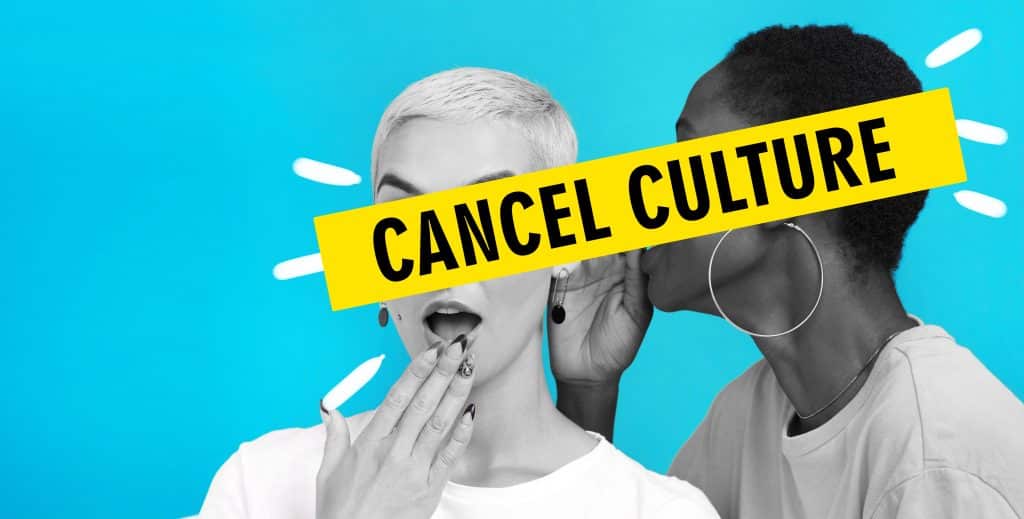
In a world increasingly shaped by digital interactions and instantaneous global communication, the phenomenon of Cancel Culture has undeniably gained prominence.
This concept, once reserved for fringe discussions, now permeates mainstream discourse, challenging our long-held notions of public accountability, historical revisionism, and individual expression.
As we navigate through 2026, it is vital to understand how this dynamic has evolved and its multifaceted consequences on society’s ability to engage in open debate.
How do we balance the need for social justice with the fundamental right to speak one’s mind? Let’s explore the complexities of this digital-age dilemma.
Understanding Cancel Culture in 2025
By 2025, cancel culture has become a deeply ingrained, yet frequently misunderstood, aspect of online and offline social dynamics.
It refers generally to the public shaming and subsequent withdrawal of support for individuals or entities who have expressed or acted in ways deemed offensive or problematic by a significant segment of society.
While often framed as a modern form of public accountability, its mechanisms and effects are far from simple.
Evolution from Public Shaming to Digital Ostracism
Historically, public shaming has always existed, from stocks in town squares to newspaper editorials. However, the digital age has turbocharged this process, allowing accusations and condemnations to spread globally within minutes.
Social media platforms act as both the initial battleground and the primary vehicle for this collective action.
- Accelerated Dissemination: Information and opinions can go viral rapidly, making it difficult to control narratives.
- Decentralized Enforcement: No single authority governs cancellation; it arises from collective sentiment.
- Permanent Digital Footprint: Past statements or actions are easily unearthed and re-circulated, creating a lasting record.
This evolution has transformed spontaneous outbursts into coordinated campaigns, often with real-world repercussions for careers, reputations, and mental well-being.
The intent behind these actions might range from genuine calls for justice to perceived moral grandstanding, blurring the lines between activism and vigilantism.
Defining the “Cancel” Threshold
What constitutes “cancel-worthy” offenses in 2025 remains fluid and contentious. It can range from discriminatory remarks to past problematic behavior, or even perceived missteps in addressing social justice issues.
The lack of a clear, consistent threshold means that individuals and organizations often operate in an uncertain environment, fearing unintended consequences for their expressions.
The speed at which opinions form and solidify online means there’s often little room for nuance or due process. A single tweet or an old interview clip can, without full context, ignite a firestorm.
This creates a chilling effect, where self-censorship becomes a pragmatic choice for many, especially those in the public eye, lest they fall afoul of an ever-shifting moral compass dictated by collective digital sentiment.
In essence, cancel culture in 2025 is a powerful, decentralized phenomenon that leverages digital connectivity to enforce societal norms, yet its broad reach and subjective application raise significant questions about fairness and free expression, setting a complex stage for its impact on fundamental liberties.
Free Speech: A Shifting Legal and Societal Landscape
The concept of free speech, particularly in the United States, is enshrined in the First Amendment, intended to protect individuals from government censorship.
However, the rise of cancel culture introduces a new dimension: not censorship by the state, but social and economic repercussions initiated by private actors and public opinion. This distinction is crucial in understanding the current debate.
Legal Protections vs. Social Consequences
While the First Amendment protects individuals from governmental constraints on speech, it does not typically protect them from consequences arising from private entities or public outcry.
For instance, an employer is generally not legally obligated to retain an employee whose public statements harm the company’s reputation, even if those statements are technically “free speech.”
This fundamental legal distinction often gets lost in the heated rhetoric surrounding cancellations.
In 2025, the legal framework regarding free speech remains largely unchanged. The real battleground is societal acceptance and the interpretation of what constitutes acceptable public discourse.
This creates a tension between an individual’s right to express themselves and a community’s perceived right to respond, condemn, or disassociate.
Redefining Public and Private Spheres of Speech
The digital age has largely blurred the lines between private and public speech. A personal opinion shared on a private social media profile can instantly become public if screenshotted and shared widely.
This lack of clearly defined boundaries means that individuals often find themselves navigating a complex landscape where casual remarks can be scrutinized under a unforgiving public lens.
- Privacy Erosion: Personal opinions can quickly become public controversies.
- Contextual Misinterpretation: Statements are often ripped from their original context, leading to misunderstandings.
- Asymmetrical Power Dynamics: Individuals with large platforms (influencers, celebrities) face different levels of scrutiny than average citizens.
This blurring challenges traditional understandings of speech. Where does personal opinion end and public commentary begin?
How should society balance the right to free expression with the equally valid right of communities to condemn hate speech or misinformation?
These unresolved questions contribute to the volatility and often unpredictable nature of cancellation events, highlighting a societal landscape grappling with foundational principles in a hyper-connected world.
The Real Costs: Impact on Individuals and Careers
The most immediate and tangible costs of cancel culture are often borne by the individuals targeted.
Beyond the public shaming, there are profound professional, personal, and psychological repercussions that can be devastating and long-lasting.
Professional Ramifications: Lost Contracts, Jobs, and Reputations
For many, particularly those in the public eye, cancellation can mean instant professional ruin. Book deals are rescinded, endorsement contracts vanish, and employment is terminated.
The economic impact can be severe, leading to loss of income, professional networks, and future opportunities.
Even if a person attempts to apologize or clarify, the digital mob rarely forgets, and potential employers or collaborators may be wary of association, fearing a similar backlash.
This swift removal from professional spheres often occurs with minimal due process, and rehabilitation can be incredibly difficult.
The “cancelled” label often sticks, acting as a permanent digital scarlet letter.
This disproportionate response, where a perceived offense can outweigh years of contributions or achievements, raises concerns about justice and proportionality within the informal “courts” of public opinion.
Psychological Toll: Mental Health and Social Isolation
The psychological impact on individuals who are cancelled is often overlooked but profoundly significant.
Facing a public onslaught of criticism, hate, and personal attacks can lead to severe mental health issues, including anxiety, depression, and even suicidal ideation.
The sense of isolation and betrayal can be immense, as friends and colleagues may distance themselves to avoid guilt by association.
The constant surveillance and the fear of saying the “wrong” thing can also lead to pervasive self-censorship, not just for the cancelled, but for anyone witnessing these events.
This chill on genuine expression extends beyond the direct targets, creating a climate of fear where individuals are hesitant to voice unpopular opinions or engage in nuanced discussions for fear of ostracization and becoming the next target.
The cost extends beyond reputation; it affects individuals’ fundamental sense of safety and belonging in society.
Societal Ramifications: Chilling Effects and Self-Censorship

Beyond the direct impact on individuals, cancel culture exerts broader societal pressures that fundamentally alter the landscape of public discourse.
The pervasive fear of being ostracized often leads to a chilling effect, where difficult conversations are avoided, and conformity is implicitly encouraged.
The Erosion of Nuance and Open Debate
One of the most significant costs is the reduction of nuanced discussion.
Complex issues are often reduced to simplistic binaries of “good” or “bad,” “right” or “wrong,” leaving little room for differing perspectives, exploration of underlying causes, or productive disagreement.
When expressing a view contrary to the prevailing narrative risks severe public condemnation, many choose silence over engagement.
This environment discourages intellectual curiosity and critical thinking. Instead of debating ideas on their merits, the focus shifts to policing speech for potential offenses.
This can lead to a less informed public discourse, where challenging assumptions becomes perilous, hindering societal progress on complex problems that require diverse viewpoints to solve.
Suppression of Diverse Perspectives
- Marginalized Voices: While initially aimed at powerful figures, cancel culture can disproportionately affect those with fewer resources to weather a storm.
- Ideological Echo Chambers: It reinforces existing bubbles, as people only feel safe sharing opinions within like-minded groups.
- Risk Aversion: Researchers, artists, and creators may self-censor their work to avoid potential backlash, stifling innovation and uncomfortable truths.
The fear of being “cancelled” becomes a powerful disincentive for expressing anything that might be perceived as controversial, even if it’s a legitimate, well-reasoned argument.
This self-censorship is often more insidious than direct censorship because it originates internally.
It leads to a stifling of genuine intellectual exchange and the suppression of essential, albeit uncomfortable, conversations necessary for a healthy democracy.
The long-term cost is a less vibrant, less honest public sphere where true diversity of thought is increasingly rare.
Accountability vs. Retribution: A Blurred Line
A central tension in the cancel culture debate revolves around the distinction between genuine accountability and punitive retribution.
While the desire to hold powerful individuals or institutions responsible for harmful actions is a legitimate and often necessary societal function, the mechanisms of cancel culture frequently blur this critical line.
When Does Accountability Become Punitive?
Accountability implies a process of acknowledging wrongdoing, facing consequences proportionate to the harm caused, and ideally, undergoing a path to redemption or learning.
In contrast, cancel culture often operates more like a swift, decentralized form of public trial and execution, with little room for due process, apology, or rehabilitation.
The “punishment” can be disproportionate to the “crime.” A clumsy phrasing, an outdated joke, or a genuinely mistaken opinion can lead to a career being destroyed, personal relationships strained, and mental health severely impacted.
This raises profound questions about fairness: is the goal to educate and reform, or simply to punish and banish?
Without a clear framework for redemption, cancel culture risks becoming solely a mechanism for public shaming rather than a pathway to genuine accountability and social repair.
The Role of Forgiveness and Redemption
In 2025, the concept of forgiveness and redemption in the context of cancel culture remains highly contentious.
While some advocate for pathways to allow individuals to learn from mistakes and return to public life, others argue that some offenses are unforgivable or that an apology is merely a strategic maneuver.
- Lack of Due Process: Accusations often lack formal investigation or opportunity for defense.
- Perpetual Digital Archive: Past mistakes are easily resurrected, making genuine redemption difficult.
- Polarized Judgments: Public sentiment often divides sharply, making it hard to achieve consensus on reintegration.
This absence of a widely accepted “off-ramp” or mechanism for redemption is perhaps one of the most significant long-term costs of cancel culture.
It fosters an unforgiving environment where a single misstep can lead to permanent exile, stifling growth, and preventing individuals from contributing positively after making amends.
A society unable to offer a path to redemption risks becoming rigid, unforgiving, and less capable of fostering genuine reform or reconciliation.
Navigating the Future: Towards a More Constructive Discourse
As we look beyond 2025, the challenge lies in fostering an environment where accountability can thrive without stifling free speech or perpetuating cycles of disproportionate punishment.
This requires a conscious effort from individuals, platforms, and institutions to cultivate more thoughtful and constructive methods of discourse and redress.
Promoting Context and Critical Thinking
Addressing the shortcomings of cancel culture necessitates a stronger emphasis on critical thinking and the appreciation of context.
Instead of immediate condemnation based on isolated snippets, audiences need to be encouraged to seek out full information, consider intent versus impact, and understand the nuances of complex situations.
Media literacy education, particularly concerning digital content, becomes paramount in achieving this.
Furthermore, platforms could explore mechanisms that prioritize context.
This might include AI-driven tools that flag out-of-context clips or offer summaries of original sources, helping users form more informed opinions rather than reacting to emotionally charged fragments.
Shifting the public’s default setting from immediate outrage to critical inquiry is a vital step toward a healthier online environment.
Establishing Pathways for Restorative Justice
Perhaps the most crucial development will be the establishment of clear, agreed-upon pathways for restorative justice.
This would involve moving away from purely punitive measures towards processes that prioritize understanding, education, and reconciliation. Such approaches might include:
For individuals, this could mean clearly defined protocols for apologies, opportunities for education or retraining if the offense relates to ignorance, and a community-led process for re-entry into public light if amends are genuinely made.
For platforms, it means investing in moderation that distinguishes between genuine hate speech and controversial opinions, ensuring that measures taken are proportionate and transparent.
The goal should be to encourage learning and growth, rather than simply banishment.
In essence, the future of free speech in an era of cancel culture hinges on our collective ability to cultivate empathy, demand due process, and prioritize meaningful dialogue over instantaneous condemnation.
This involves re-evaluating our relationship with digital platforms, fostering media literacy, and building societal mechanisms that value redemption as much as they do accountability.
The real cost of failing to do so would be an impoverished public square, devoid of the diversity and friction necessary for true progress.
| Key Point | Brief Description |
|---|---|
| ⚖️ Free Speech vs. Accountability | The core tension: protecting expression while holding individuals responsible for harmful conduct. |
| 😫 Individual & Career Costs | Loss of jobs, reputation, and severe psychological impact on cancelled individuals. |
| 🗣️ Chilling Effect & Nuance | Fear of cancellation leads to self-censorship and a decline in open, nuanced public debate. |
| 🔄 Redemption vs. Banishment | The debate over whether pathways for forgiveness and reintegration should exist after a “cancellation.” |
Frequently Asked Questions About Cancel Culture and Free Speech
While not government censorship (which is restricted by the First Amendment in the US), cancel culture involves social and economic pressure that can lead to private entities restricting speech or association. This can feel like censorship to those affected, as it limits their ability to express themselves publicly without severe repercussions.
The psychological toll can be significant, including severe anxiety, depression, a sense of isolation, and even trauma. Facing widespread public condemnation, online abuse, and the sudden loss of professional standing can profoundly impact an individual’s mental well-being and social connections.
Recovery is challenging but not impossible. It often requires genuine acknowledgment of wrongdoing, sincere apologies, and demonstrable efforts to learn and grow. However, the permanency of digital records means past controversies can resurface, making full rehabilitation difficult and dependent on public willingness to forgive.
It can lead to self-censorship among artists, writers, and creators who might avoid controversial themes or provocative ideas for fear of backlash. This stifles creativity and can result in less challenging or thought-provoking art, limiting the range of human experiences and perspectives explored in cultural works.
Accountability usually refers to a structured process of taking responsibility for actions, with proportional consequences. Cancel culture, conversely, is an informal, decentralized public shaming that lacks formal due process, often leading to disproportionate, swift, and permanent retribution without clear paths for redemption.
Conclusion: Balancing Justice and Expression
In conclusion, the discourse surrounding the real costs of Cancel Culture reveals a complex interplay between public accountability and the fundamental right to expression.
While the impulse to hold individuals responsible for harm is understandable, we must acknowledge that current manifestations often come with significant unforeseen costs.
According to research from the Institute for Family Studies (IFS), Cancel Culture is a threat to everyone because it undermines the psychological safety required for a functioning democracy.
To move forward, society must strive to cultivate an environment that balances the desire for justice with the essential principles of free speech.
We must foster critical thinking and develop clear pathways for restorative justice, lest we inadvertently silence the very voices necessary for a healthy, evolving society.
Liked the article?