The 2026 Debate: Are ‘Woke’ Policies Undermining American Cultural Identity? An Insider Analysis of 5 Key Impacts
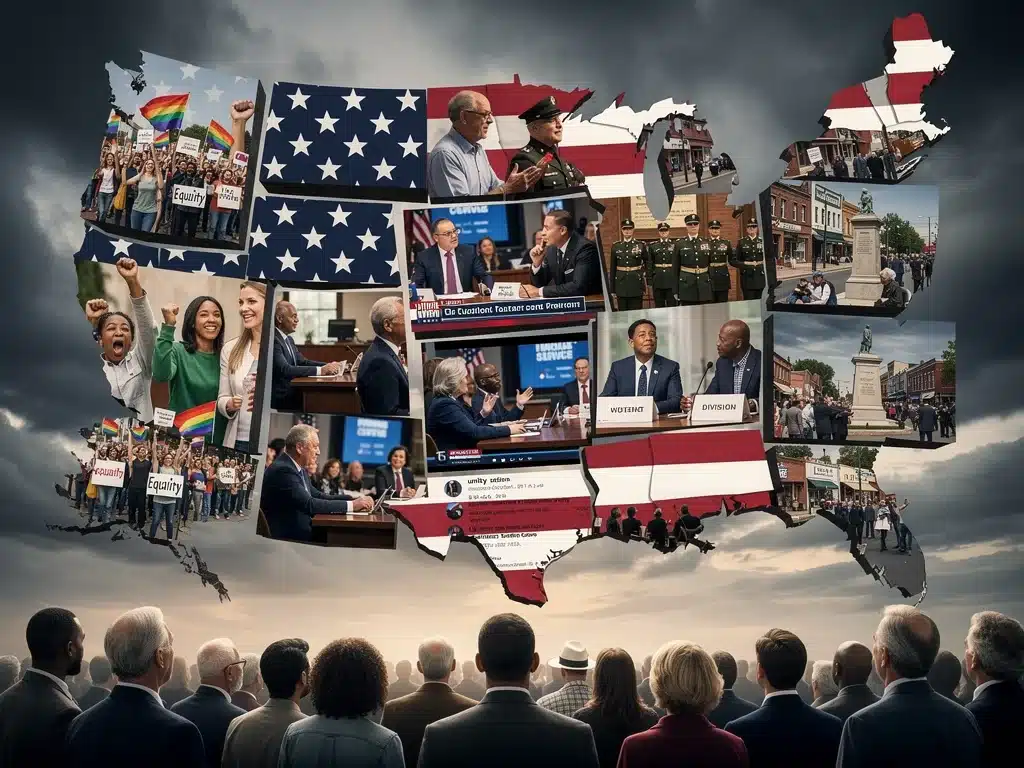
The core of the nation’s social fabric is experiencing a profound tug-of-war. The fierce contention surrounding woke policies has taken center stage in public discourse, forcing citizens to question how these progressive initiatives reshape traditional values.
This intense societal reevaluation goes far beyond standard partisan bickering, deeply affecting institutional guidelines and community standards. Examining these modern ideological mandates reveals a complex landscape where equity programs and traditional heritage constantly collide.
As localized controversies spark nationwide conversations, understanding the long-term impact on social cohesion is essential. Keeping a close eye on these shifting cultural paradigms ensures you can navigate the rapidly changing definition of national citizenship.
Understanding the ‘Woke’ Phenomenon in 2026
The term ‘woke’ has evolved significantly, moving from an awareness of social injustices to a broader, often contentious, cultural and political descriptor. By 2026, it encompasses a range of progressive viewpoints on race, gender, sexuality, and environmental issues, frequently inspiring both strong support and fervent opposition.
This ideological shift has permeated various sectors of American society, from education and corporate boardroom policies to media representation and public discourse. The ensuing friction often centers on whether these policies foster inclusivity or, conversely, dismantle established norms and traditions that define American identity.
The debate surrounding ‘woke’ policies is not merely academic; it has tangible effects on everyday life, influencing everything from school curricula to workplace conduct. As 2026 unfolds, understanding the multifaceted nature of this phenomenon is crucial for grasping its impact on the nation’s cultural fabric.
Impact 1: Redefining Historical Narratives and Education
One of the most significant impacts of woke policies on American cultural identity is the re-evaluation and often revisionist approach to historical narratives. Educational institutions, from K-12 to universities, are increasingly adopting curricula that emphasize systemic oppression, colonialism, and marginalized voices.
This shift aims to provide a more inclusive and accurate account of American history, acknowledging the experiences of previously underrepresented groups. However, critics argue that such approaches risk erasing foundational aspects of American exceptionalism and national pride, leading to a generation disengaged from traditional patriotic sentiments.
The contention often revolves around how history is taught: whether it should primarily inspire national unity or serve as a critical examination of past injustices. This debate over historical truth and national identity remains a central battleground in the broader discussion of woke policies cultural identity.
Curricular Changes and Controversy
Across the United States, school boards and state legislatures are grappling with new guidelines for teaching history and social studies. These changes frequently ignite passionate debates among parents, educators, and political figures, highlighting deep divisions over what constitutes a proper education.
The introduction of concepts like critical race theory into classrooms, even indirectly, has sparked considerable backlash, with opponents arguing it promotes division rather than unity. They contend that focusing on historical grievances can lead to resentment and diminish the appreciation for American progress and ideals.
Conversely, proponents argue that a more honest and comprehensive historical education is essential for fostering empathy and addressing contemporary inequalities. They believe that understanding the full scope of American history, including its darker chapters, is vital for building a more just society.
- Emphasis on systemic racism and oppression in historical texts.
- Inclusion of diverse perspectives, challenging traditional heroes.
- Debates over parental rights in curriculum development.
- Increased scrutiny of historical monuments and symbols.
Impact 2: Shifting Corporate Social Responsibility and Brand Identity
The corporate world has also become a significant arena for the influence of woke policies, with many companies adopting explicit stances on social and political issues. This involves integrating diversity, equity, and inclusion (DEI) initiatives into their operations, marketing, and public relations strategies.
For many corporations, embracing these values is seen as essential for attracting younger consumers and talented employees who prioritize ethical and socially conscious brands. This alignment with progressive ideals can enhance brand loyalty and market appeal among certain demographics.
However, this trend has also led to accusations of ‘woke washing’ – superficial adherence to social causes without genuine commitment – and has alienated segments of the consumer base. Some consumers and political figures criticize companies for taking positions on divisive issues, viewing it as a departure from their core business function and an imposition of particular ideologies.
Consumer Reactions and Market Dynamics
The market response to corporate woke policies is complex and often polarized. While some brands see increased engagement and sales from consumers who value their social stances, others face boycotts or public outcry from those who disagree with their political alignments.
This dynamic forces companies to carefully navigate their public image, balancing the desire to be seen as progressive and inclusive with the risk of alienating traditional customer bases. The economic implications of these decisions are substantial, influencing stock prices, market share, and long-term brand reputation.
The ongoing tension reflects a broader societal debate about the role of corporations in driving social change versus their primary responsibility to shareholders. This constant evaluation shapes how businesses interact with the evolving landscape of American cultural identity.
- Increased focus on DEI metrics in hiring and promotion.
- Marketing campaigns reflecting diverse identities and social causes.
- Public statements from CEOs on contentious political issues.
- Boycotts and counter-boycotts influencing brand perception.
Impact 3: Cultural Expression and Artistic Freedom
The realm of arts and culture has long been a reflection and sometimes a driver of societal change, and 2026 sees it deeply influenced by woke policies. From Hollywood productions to literary works and visual arts, there’s a growing emphasis on representation, authenticity, and challenging traditional power structures.
This often translates into narratives that center on marginalized experiences, critique historical injustices, and promote diverse identities. The goal is to create a more inclusive cultural landscape, ensuring that all Americans see themselves reflected and valued in artistic output.
Yet, this movement also raises questions about artistic freedom and potential self-censorship. Critics argue that an overemphasis on ideological conformity can stifle creativity, lead to formulaic storytelling, and pressure artists to prioritize social messaging over artistic merit, impacting the diversity of thought in cultural production.
Debates in Media and Entertainment
The entertainment industry, in particular, faces intense scrutiny regarding its portrayal of characters and themes. Demands for authentic representation, diverse casting, and avoidance of stereotypes are powerful forces shaping content creation across film, television, and gaming.
While many welcome these changes as long overdue, others express concern that these pressures can lead to a narrow range of acceptable narratives or even reverse discrimination in casting and hiring. This tension underscores the complexities of balancing social progress with artistic integrity.
The ongoing dialogue about who gets to tell which stories, and how those stories are told, is fundamentally altering the landscape of American cultural expression. These discussions are critical to understanding the evolving dynamics of woke policies cultural identity.
- Increased representation of LGBTQ+, BIPOC, and disabled characters.
- Scrutiny of classic works for problematic themes or depictions.
- Funding and awards criteria incorporating diversity metrics.
- Emergence of new platforms for underrepresented voices.
Impact 4: Freedom of Speech and Public Discourse
The debate surrounding woke policies has profoundly impacted the boundaries of free speech and public discourse in America. Concepts like ‘cancel culture’ and ‘safe spaces’ have become central to discussions about acceptable expression, particularly in online environments and academic settings.
Proponents argue that these mechanisms are necessary to protect marginalized groups from hate speech, harassment, and harmful rhetoric, creating environments where all individuals can participate without fear. They emphasize the responsibility that comes with free speech, advocating for speech that does not incite violence or discrimination.
Conversely, critics contend that these practices stifle open debate, lead to self-censorship, and create an atmosphere of fear where individuals are hesitant to express dissenting opinions. They argue that robust public discourse, even if uncomfortable, is essential for a healthy democracy and the free exchange of ideas, regardless of their connection to woke policies cultural identity.
The Polarization of Dialogue
The digital age has amplified these tensions, with social media platforms becoming battlegrounds for ideological conflicts. The speed at which opinions can spread and be judged has accelerated the phenomenon of ‘canceling’ individuals or institutions deemed to have violated progressive norms.
This polarization makes it increasingly challenging to find common ground or engage in constructive dialogue across ideological divides. The focus often shifts from discussing ideas to attacking individuals, further entrenching existing divisions within society.
Understanding the evolving norms of public discourse is vital for comprehending how woke policies are reshaping not just what is said, but how it can be said in contemporary America. This impact on free speech is a cornerstone of the broader debate.
- Rise of ‘cancel culture’ affecting careers and reputations.
- Debates over content moderation on social media platforms.
- Challenges to academic freedom and tenure based on speech.
- Increased emphasis on intent vs. impact in communication.
Impact 5: Religious Freedom and Traditional Values
The expansion of woke policies also creates significant friction with traditional religious beliefs and conservative values, particularly concerning issues of gender identity, sexuality, and family structure. This often manifests in legal and social conflicts over accommodations, non-discrimination laws, and the definition of marriage.
Advocates for woke policies emphasize the importance of protecting the rights and dignity of all individuals, including LGBTQ+ communities, ensuring equal treatment under the law and in society. They argue that religious freedom should not be used as a justification for discrimination against others.
However, religious organizations and individuals often assert that these policies infringe upon their constitutional right to religious freedom, forcing them to compromise deeply held moral and theological convictions. They contend that their institutions and practices should be exempt from mandates that conflict with their faith, creating a complex legal and ethical landscape for woke policies cultural identity.
Legal and Social Battlegrounds
These clashes frequently play out in courtrooms, where cases involving religious exemptions, public accommodations, and parental rights are becoming more common. The outcomes of these legal battles have wide-ranging implications for both individual freedoms and the scope of government authority.
Beyond the legal sphere, there is an ongoing social tension between progressive ideals and traditional values, affecting community dynamics, interfaith relations, and political alignments. This ideological divide is a powerful force shaping the future of American society.
The challenge lies in finding a balance that respects both individual liberties and collective societal well-being, a task made more complex by the deeply personal nature of religious and moral beliefs. This dynamic is central to the ongoing discourse about woke policies cultural identity.
- Conflicts over LGBTQ+ rights and religious exemptions.
- Debates on gender-affirming care and parental involvement.
- Challenges to traditional family definitions in policy.
- Free exercise clauses vs. anti-discrimination laws.
| Key Impact | Brief Description |
|---|---|
| Historical Narratives | Re-evaluation of American history, emphasizing marginalized voices and systemic issues, sparking debate over national identity. |
| Corporate Responsibility | Companies adopting DEI initiatives and social stances, influencing brand identity and consumer loyalty amidst ‘woke washing’ accusations. |
| Cultural Expression | Emphasis on diverse representation in arts and media, leading to debates on artistic freedom and potential ideological conformity. |
| Freedom of Speech | Impact on public discourse, with ‘cancel culture’ and ‘safe spaces’ raising concerns about censorship versus protection from hate speech. |
Frequently Asked Questions About Woke Policies and Cultural Identity
‘Woke’ policies, in this context, refer to progressive initiatives and ideologies focused on social justice, diversity, equity, and inclusion. They aim to address systemic inequalities related to race, gender, sexuality, and other identity markers, often leading to debates about their impact on traditional American values and cultural norms.
These policies encourage a re-evaluation of historical narratives to include marginalized perspectives and address past injustices. While proponents seek a more inclusive history, critics argue it risks undermining national unity and traditional patriotic narratives, creating a contentious environment in educational settings.
The extent varies. Many corporations integrate DEI initiatives into their core values to attract diverse talent and consumers. However, some instances are criticized as ‘woke washing,’ where companies adopt progressive stances superficially without genuine commitment, leading to skepticism and backlash from various consumer groups.
‘Woke’ policies often intersect with debates around ‘cancel culture’ and ‘safe spaces,’ aiming to protect vulnerable groups from harmful speech. Critics argue this can stifle open debate and lead to self-censorship, creating a complex tension between protecting marginalized voices and upholding broad free speech principles.
There is often friction between ‘woke’ policies promoting LGBTQ+ rights and gender identity, and traditional religious beliefs. This leads to legal and social conflicts over exemptions, non-discrimination laws, and the definition of family, raising complex questions about balancing individual liberties with religious convictions in a diverse society.
Looking Ahead
The ongoing debate surrounding woke policies and American cultural identity is far from settled, representing a fundamental tension in the nation’s evolving self-conception. As 2026 progresses, observers should monitor legislative actions, corporate responses, and shifts in public opinion, as these will continue to shape the trajectory of American society. The dialogue will likely remain polarized, making it crucial to engage with diverse perspectives to understand the full implications of these profound cultural shifts. The future of American identity hinges on how these complex issues are navigated.